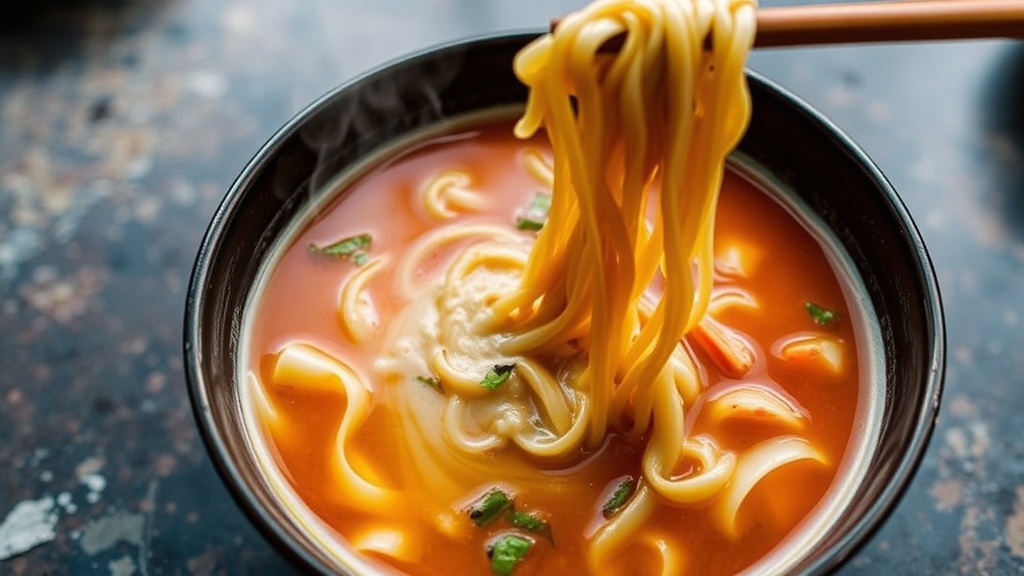
10 Comforting Noodle Soups From Around the World You Need to Try

Tonkotsu Ramen from Japan
Beef Pho from Vietnam
Tom Yum Noodle Soup from Thailand
Laksa from Malaysia and Singapore
Chicken Noodle Soup from Poland (Rosół)
Noodle soup transcends borders. From the steamy bowls of East Asia to the aromatic broths of the Mediterranean, these dishes share a universal appeal—they warm the body, comfort the soul, and deliver layers of flavor in every spoonful. This guide covers ten iconic noodle soups from across the globe, complete with what makes each one special, where to find authentic versions, and how to recreate them at home.
What Makes a Noodle Soup "Comforting"?
A comforting noodle soup balances rich, savory broth with satisfying noodles and tender proteins or vegetables. The warmth helps, sure—but it's the depth of flavor, the textural contrast, and often the nostalgia (even if it's someone else's nostalgia) that does the heavy lifting. Think slow-simmered stocks, aromatics like ginger and garlic, and that moment when steam hits your face as you lean over the bowl.
Comfort varies by culture. For some, it's a creamy, coconut-laden laksa. For others, it's a clear, delicate pho or a fiery ramen. The common thread? These soups feel like home—wherever home might be.
What Is the Most Popular Noodle Soup in Japan?
Ramen dominates Japanese noodle culture—with over 30,000 ramen shops across the country, it's practically a national obsession. But "ramen" isn't one thing; it's a category with distinct regional styles that'll change how you think about noodle soup.
Here's the breakdown:
| Style | Broth Base | Key Characteristics |
|---|---|---|
| Tonkotsu | Pork bones (12+ hours) | Creamy, milky white, intensely rich |
| Miso | Fermented soybean paste | Hearty, slightly sweet, from Hokkaido |
| Shoyu | Soy sauce + chicken/fish | Clear, complex, classic Tokyo style |
| Shio | Salt-based | Light, delicate, often with seafood notes |
The noodles matter too—wavy, straight, thick, thin. Each shop has its preference. For home cooks, Serious Eats' tonkotsu recipe breaks down the long simmer process without shortcuts. Worth noting: authentic tonkotsu takes time. There's no hack for 12 hours of bone broth.
Vietnamese Pho: Aromatic Elegance
If ramen is loud, pho whispers. This Vietnamese staple features a clear, fragrant beef broth spiced with star anise, cinnamon, and cloves. Rice noodles—flat and slippery—provide the base, while thinly sliced beef (rare or well-done) and fresh garnishes complete the bowl.
The magic happens at the table. You customize with Thai basil, lime wedges, bean sprouts, and jalapeños. Hoisin and sriracha sit ready. It's interactive eating—soup as personal expression.
Pho originated in northern Vietnam (pho bac), where the broth stays purer, the noodles wider. Southern-style pho (pho nam) brings more herbs, sweeter broth, and a riot of toppings. Both work. Both comfort.
Which Southeast Asian Noodle Soup Has the Most Complex Flavors?
Laksa—specifically curry laksa from Malaysia and Singapore—packs arguably the most layered flavor profile of any noodle soup. Coconut milk meets tamarind, lemongrass, galangal, and a spice paste (rempah) that can include 15+ ingredients. The result? Creamy, tangy, spicy, and deeply aromatic all at once.
Two main styles exist:
- Curry laksa: Coconut-based, often with tofu puffs, fish cake, shrimp, and egg. Thick rice noodles (laksa noodles) soak up the rich broth.
- Asam laksa: Sour and fish-based, from Penang. Tamarind provides the tang, mackerel the body. Completely different animal.
Singapore's Makansutra tracks the best hawker stalls—328 Katong Laksa remains legendary for cutting noodles short so you only need a spoon. (Practical genius.)
Thai Khao Soi: Northern Comfort
Khao soi hails from Chiang Mai—egg noodles in a coconut curry broth topped with crispy fried noodles. It's curry and noodle soup's delicious love child. Turmeric and red curry paste color the broth golden; pickled mustard greens and shallots cut through the richness.
The texture play hooks you—silky boiled noodles below, crunchy fried ones above. Chicken (typically drumstick) or beef simmers until falling-apart tender. You won't find this on every Thai menu outside Thailand; seek it out at northern Thai specialists.
Burmese Mohinga: Breakfast of Champions
In Myanmar, mohinga starts the day. This fish-based soup features rice noodles in a broth thickened with toasted chickpea flour and flavored with lemongrass, ginger, and banana stem (when available). It's savory, slightly sweet, with a warming spice profile.
Crispy split pea fritters (jawyut) top each bowl. Lime and cilantro brighten the finish. Street vendors sell it from dawn till mid-morning—though you'll find it all day in restaurants. Fish sauce and fish paste provide umami depth that makes coffee almost unnecessary.
What's the Best Chinese Noodle Soup for Cold Weather?
Lanzhou beef noodle soup (lamian) was engineered for winter survival. Hailing from northwest China's Gansu province, this hand-pulled noodle soup features clear broth, shaved beef, radish slices, chili oil, and herbs—specifically "five clear" standards: clear broth, white radish, red chili oil, green cilantro, and yellow noodles.
The hand-pulling technique mesmerizes. Cooks stretch and fold dough repeatedly, creating noodles of varying thickness from the same batch. The texture—springy, chewy, alive—beats machine-made every time.
The broth simmers with beef bones, daikon radish, and a spice pouch containing things like cassia bark and fennel seed. It's cleaner than you'd expect, warming without heaviness. The New York Times documented the global spread of authentic Lanzhou shops—worth seeking