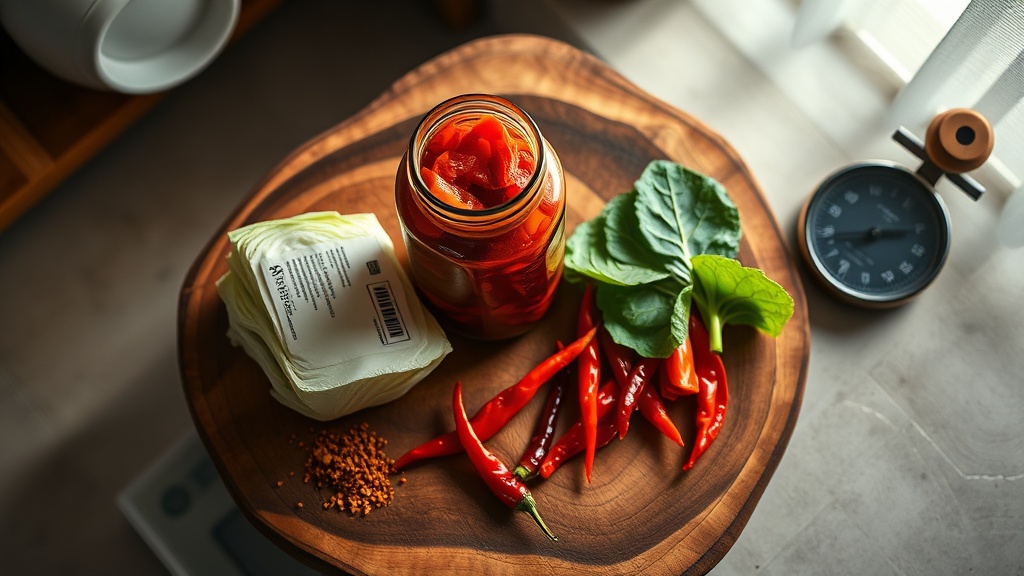
12 Kimchi Mistakes That Sabotage Your Fermentation (And How to Fix Them)

Ever opened a jar of kimchi only to find it soggy, bland, or—worst of all—exploding in your fridge? I’ve watched that happen more times than I can count in my Queens kitchen, and each time it’s a reminder that a handful of tiny missteps can sabotage weeks of diligent fermentation. Below are the twelve most common kimchi mistakes, why they matter, and how to fix them so your next batch sings with crunch and tang.
What are the most common kimchi mistakes (and how do I avoid them)?
1. Using the Wrong Salt Ratio
Salt isn’t just a seasoning; it’s the osmotic engine that draws water out of the cabbage and creates the brine that feeds beneficial lactic‑acid bacteria. The sweet spot is 2‑13 % salt by weight of the vegetables. Anything less leaves the veggies too watery, anything more makes the brine hyper‑salty and stalls fermentation.
**Fix:** Weigh your napa cabbage, slice it, then calculate 2 % of that weight in kosher or sea salt. Toss the salt evenly, massage for 10‑15 minutes, and let the cabbage release its own juices before adding the spice paste. (Quickimchi guide)
2. Skipping the Initial Brine
Some home cooks think the spice paste alone will do the work. Without a proper brine, the cabbage can’t maintain the low‑pH environment that keeps spoilage microbes at bay.
**Fix:** After salting, let the cabbage sit in its own brine for at least 30 minutes, then press it into a clean, non‑reactive jar, ensuring the vegetables are fully submerged. A small weight (a clean glass jar or a fermentation stone) helps keep everything below the liquid line.
3. Over‑ or Under‑Salting the Veggies
Even if you hit the 2‑13 % overall ratio, uneven distribution can leave pockets of under‑salted cabbage that ferment unevenly. Conversely, a salt mound on the surface can draw excess moisture, leading to mushy texture.
**Fix:** Toss the salted cabbage in a large bowl, spreading it out to ensure every leaf gets a light coating. Feel for any dry spots and sprinkle a pinch of extra salt if needed.
4. Choosing Low‑Quality Produce
Freshness is non‑negotiable. Wilted or bruised napa cabbage introduces unwanted microbes and off‑flavors. As Chowhound notes, "choosing substandard produce is the biggest mistake you can make."
**Fix:** Buy cabbage from the freshest aisle—preferably the H‑Mart section where turnover is high. Look for firm, tightly‑wrapped heads with crisp leaves.
5. Ignoring the Garlic‑Ginger Balance
Too much garlic can make kimchi bitter; too much ginger can turn it gummy. Both aromatics are powerful, but they need a 1:1 weight ratio for a clean, bright bite.
**Fix:** Peel and mince equal weights of garlic and ginger. If you love garlic, add a tiny splash of rice vinegar to mellow the bite.
6. Using the Wrong Chili Powder
Gochugaru (Korean red pepper flakes) provides nuanced heat and bright color. Substituting generic paprika or cayenne strips away that complexity and can make the kimchi taste flat.
**Fix:** Source authentic gochugaru from an Asian market or online specialty shop. If unavailable, blend equal parts Korean paprika and a pinch of smoked paprika for depth.
7. Packing the Jar Too Tightly
Fermentation produces carbon dioxide. If the jar is sealed airtight, pressure builds and the lid can pop off—or worse, the jar can explode. This is the dreaded “exploding kimchi” scenario many Redditors warn about.
**Fix:** Leave about 1‑2 cm of headspace, then loosely screw the lid or use a fermentation air‑lock. Check the jar daily for gas buildup.
8. Storing at the Wrong Temperature
Fermentation thrives at 65‑72 °F (18‑22 °C). Too warm and you’ll get a sour, over‑fermented batch; too cool and the process stalls, leaving the cabbage crunchy but bland.
**Fix:** Keep the jar on the counter in a shaded spot during the first 2‑3 days, then move it to the refrigerator for slow aging. Use a simple kitchen thermometer to monitor ambient temperature.
9. Leaving the Jar Open Too Long
After the initial fermentation, exposing the kimchi to air invites wild yeasts and molds. This can lead to off‑flavors and an unsightly surface film.
**Fix:** Once the desired tang is reached (usually 2‑4 days at room temperature), seal the jar tightly and refrigerate. If you need to taste, open briefly, then reseal promptly.
10. Skipping the “Pop” Test
When you toss mustard seeds into hot oil, they should pop—this tells you the oil is hot enough for the spice bloom. In kimchi, a quick “pop” test of a few mustard seeds in your spice paste ensures the aromatics are fully activated before mixing with the cabbage.
**Fix:** Heat a teaspoon of oil, add a few mustard seeds; when they pop, add your gochugaru, garlic, and ginger. This step unlocks flavor compounds that water alone can’t extract.
11. Mixing Fresh and Fermented Batches Improperly
Some cooks blend a fresh batch with an older, already‑fermented jar to “speed up” the process. This cross‑contamination can introduce unwanted microbes and disrupt pH balance.
**Fix:** Keep each batch separate until the older one reaches the desired acidity, then use a spoonful of the mature brine as a starter for the fresh batch—never dump the whole jar together.
12. Forgetting to Taste and Adjust
Fermentation is a living experiment. I keep a small notebook beside my kitchen scale to record salt ratios, temperature, and flavor notes. Skipping the tasting step means you miss the chance to tweak salt, sugar, or spice levels before the flavors lock in.
**Fix:** Taste your kimchi after 24 hours at room temperature. If it’s too salty, add a splash of water; if it’s dull, stir in a pinch more gochugaru. Adjustments are easier early on.
Takeaway: Your Roadmap to Flawless Kimchi
Kimchi is a conversation between you and the microbes. By respecting the science—proper salt, fresh produce, controlled temperature—you give those bacteria the stage they need to shine. Keep a simple Kimchi Fermentation Checklist on your fridge, and treat each batch as a field note in your culinary lab notebook.
Related Reading
- The Miso Hierarchy: Why Your Regional Variant Matters (And When It Doesn’t) — a deep dive into another fermented staple and its flavor chemistry.
- Swicy Sauce 2026: Real Pantry Formula for Balanced Heat — mastering spice balance, essential for a well‑rounded kimchi paste.
FAQs
What is the most common kimchi mistake?
Most home cooks under‑salt their cabbage, which leads to watery, flat‑tasting kimchi and a higher risk of spoilage.
How long should kimchi ferment at room temperature?
Typically 2‑4 days at 65‑72 °F, depending on your taste preference. After that, move it to the refrigerator to slow the process.
Can I use sea salt instead of kosher salt?
Yes, as long as you measure by weight. Sea salt crystals can be larger, so weigh them to maintain the 2‑13 % ratio.