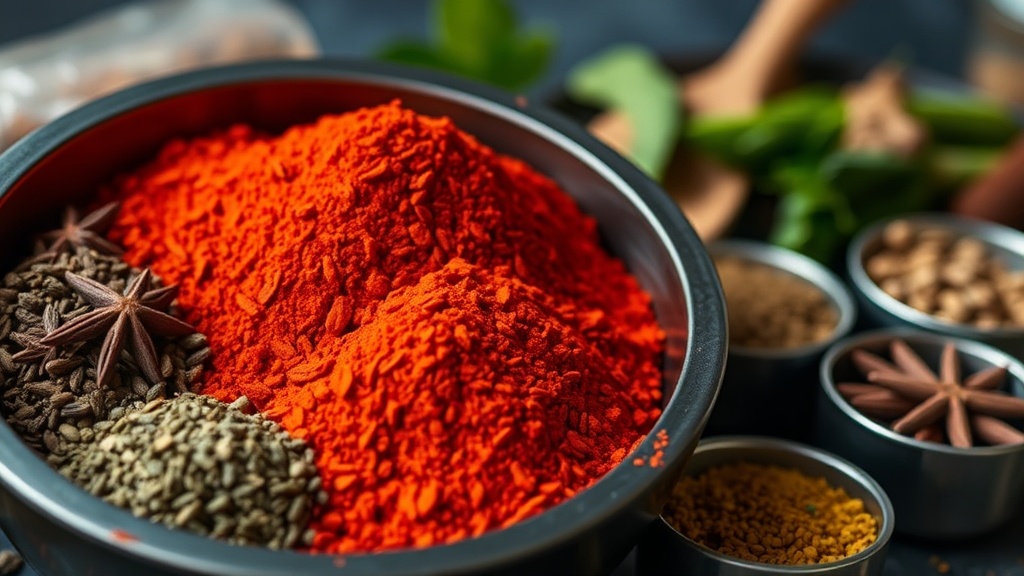
Building Your Global Spice Pantry: A Home Cook's key Guide

Building a well-stocked spice pantry transforms ordinary weeknight dinners into restaurant-quality meals without expensive takeout. This guide covers exactly which spices deserve space in a home kitchen, where to buy quality ingredients (both online and at local markets), and how to store them properly so they stay potent for years. Whether starting from scratch or upgrading an existing collection, you'll find practical recommendations for building a versatile, flavor-packed pantry that supports everything from quick stir-fries to slow-simmered tagines.
What Spices Should Every Home Cook Have on Hand?
Start with sixteen core spices that form the backbone of global cooking. These aren't exotic rarities—you'll reach for them weekly. Here's the thing: buying whole spices and grinding them fresh beats pre-ground every time. The difference in aroma alone justifies the extra five minutes.
The Foundation Sixteen:
- Cumin (whole seeds and ground) — earthy, warm, indispensable for Mexican, Indian, and Middle Eastern dishes
- Coriander (whole seeds) — citrusy and bright, pairs beautifully with cumin
- Paprika — sweet Hungarian and smoky Spanish (pimentón) varieties
- Cayenne pepper — consistent heat for everyday cooking
- Turmeric — vibrant color, subtle earthiness, anti-inflammatory properties
- Black peppercorns (whole) — the original table spice, freshly cracked only
- Cinnamon (sticks and ground Ceylon) — not just for sweets; key in savory Moroccan and Indian dishes
- Whole cloves — intense and medicinal; use sparingly
- Cardamom (whole pods, green) — floral and complex, transformative in rice and desserts
- Mustard seeds (yellow and brown) — pop with heat when toasted
- Fenugreek — slightly bitter, maple-adjacent; key to curry powders
- Bay leaves (Turkish, not California) — subtle depth for braises and stocks
- Dried oregano (Mexican and Mediterranean varieties differ significantly)
- Red pepper flakes — casual heat for finishing dishes
- Ground ginger — warm and sharp when fresh isn't available
- Nutmeg (whole) — grate fresh for béchamel, spinach, and baking
The catch? Quality varies enormously between brands. That jar of paprika that's been sitting in the grocery store since 2019? It's flavor-dust. Buy from sources with high turnover.
Where Should You Buy Quality Spices Online?
For the best selection and freshness, reputable online spice merchants outperform supermarket offerings by a wide margin. Several trusted sources deliver exceptional quality directly to home kitchens across North America.
Penzeys Spices remains a gold standard for home cooks. Based in Wisconsin, this family-owned operation has supplied professional chefs and home cooks since 1957. Their online store offers everything from standard cinnamon to hard-to-find grains of paradise. The catalog descriptions are genuinely helpful—rare in this industry.
The Spice House (sister company to Penzeys, operating independently) provides similarly excellent quality with a more curated selection. Their website organizes spices by cuisine type—particularly useful when planning specific regional menus.
For serious enthusiasts, World Spice Merchants in Seattle's Pike Place Market maintains a strong mail-order business. Their online shop stocks unusual varieties like Urfa biber (Turkish chili with chocolate undertones) and long pepper. Worth noting: their Panch Phoron blend transforms simple vegetable sautés.
Amazon works for certain items—specifically spices sold directly by brands like Simply Organic or Frontier Co-op. Avoid third-party resellers offering "deals" on saffron or vanilla; counterfeit and adulterated products flood those listings.
Local sources matter too. Indian grocery stores (like those along Richmond's No. 3 Road corridor) sell spices in quantities that seem enormous until realizing how quickly a household goes through cumin. The prices beat specialty stores by 60-70%, and turnover ensures freshness. That said, packaging varies—some come in bulk bags without English labels. Bring a phone for translation if needed.
How Long Do Spices Actually Last?
Whole spices stay potent for two to four years when stored properly. Ground spices degrade faster—six months to one year maximum. The rub? Most home cooks use spices well past their prime, then wonder why dishes taste flat.
Here's a practical test: crush a spice between your fingers and inhale deeply. Vivid aroma means it's good. Faint smell or none at all? Compost it (or use it for decorative potpourri). Your curry deserves better.
Light, heat, and air are spice killers. Store everything in airtight containers away from the stove—that decorative rack above the range is actually the worst possible location. Heat rises. Spices suffer.
| Spice Type | Shelf Life (Whole) | Shelf Life (Ground) | Storage Recommendation |
|---|---|---|---|
| Cumin | 3-4 years | 6-12 months | Airtight glass jar, dark cabinet |
| Coriander | 3-4 years | 6-12 months | Airtight glass jar, dark cabinet |
| Paprika | 2-3 years | 6 months | Refrigerator extends life significantly |
| Cinnamon | 2-3 years | 6-12 months | Cool, dark place; check for oiliness |
| Cardamom | 2-3 years | 3-6 months | Store pods whole; grind seeds as needed |
| Black Pepper | 4 years+ | 3-6 months | Peppermill by the stove; refill weekly |
| Turmeric | 3-4 years | 6-12 months | Stains everything; dedicated container |
| Nutmeg | 4 years+ | 2-3 months | Whole only; microplane grater key |
The table above reflects realistic timeframes—conservative compared to what spice companies claim, but honest about what home cooks actually experience. That jar of paprika from 2021? It's not "still good." It's red powder with no flavor function.
What Equipment Do You Need for Grinding and Toasting?
A basic spice setup requires minimal investment. You don't need fancy appliances—just a few reliable tools that last decades.
A dedicated coffee grinder (the Krups F203 Electric Spice and Coffee Grinder runs about $20) handles whole spices brilliantly. Buy one and never use it for coffee—the oils don't mix well. Label it "SPICES ONLY" with permanent marker.
A heavy-bottomed skillet for toasting. Cast iron works beautifully; stainless steel too. Toasting whole spices in a dry pan for 30-60 seconds unlocks flavor compounds that remain dormant at room temperature. You'll smell the transformation immediately—nutty, warm, alive. Cool before grinding.
A microplane grater for nutmeg, cinnamon sticks, and whole cloves. The OXO Good Grips version costs under $15 and delivers fine, even grating without scraped knuckles.
Small glass jars with tight lids. Mason jars work; so do repurposed jam jars. Avoid plastic long-term—it absorbs odors and can react with volatile oils. Label with purchase dates using masking tape and marker. Replace labels when you refill.
Measuring spoons that fit inside narrow jars. The narrow, rectangular style (like those from Prepworks) extracts spice from containers regular spoons can't reach.
Regional Pantry Extensions
Once the foundation is solid, expand based on cooking interests. Love Mexican food? Add dried guajillo and ancho chilies, Mexican oregano, and achiote paste. Cooking more Indian dishes? Stock up on amchur (dried mango powder), asafoetida, and black mustard seeds. Exploring Middle Eastern cuisines? Sumac, za'atar, and dried rose petals open countless recipes.
Here's the thing about regional specialization—don't buy everything at once. Build slowly, purchasing new spices as recipes demand them. This prevents waste and ensures everything stays fresh. That $8 jar of grains of paradise? Wait until a specific recipe calls for it.
"Spices are the easiest way to travel without leaving your kitchen. A pinch of sumac carries you to Jerusalem. Toasted cumin recalls Mexico City street carts. The investment is modest; the return is transformative."
Start with the Foundation Sixteen. Use them regularly. Replace them often. Add equipment as needed—not before. The goal isn't a museum collection of rare spices used once. It's a working pantry that makes weeknight cooking more exciting, more flavorful, and genuinely rewarding.
The transformation happens gradually. One day you'll reach instinctively for whole cumin instead of the pre-ground jar. You'll smell cardamom before seeing it on the ingredient list. Your cooking will develop signature notes—subtle, personal, unmistakably yours. That's when the spice pantry stops being a storage problem and becomes your culinary fingerprint.