Fermented Dairy Guide: Labneh, Kefir, Yogurt – Make & Use

What is fermented dairy and why should you care?
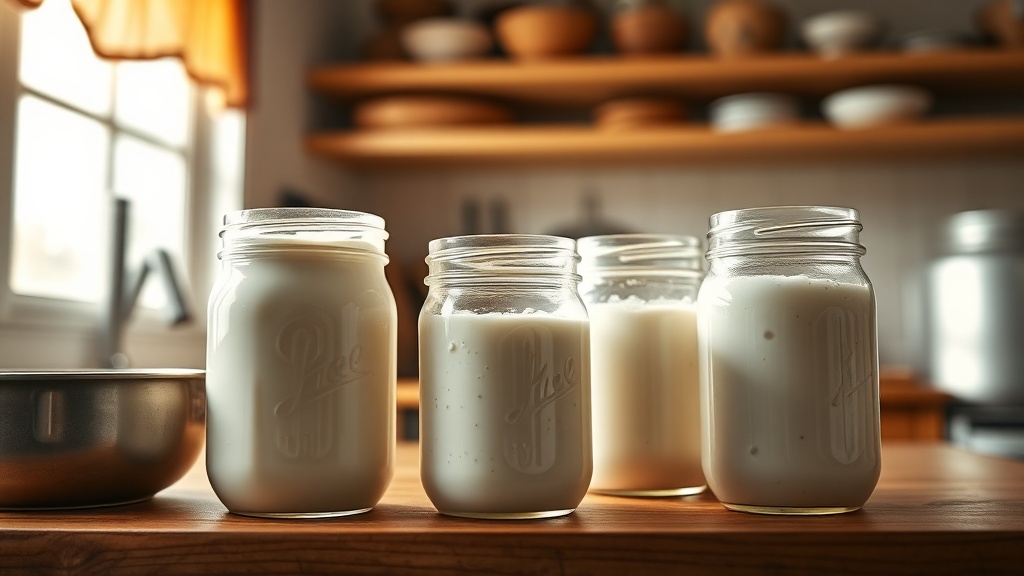
Fermented dairy—think labneh, kefir, and yogurt—packs a probiotic punch that can boost digestion, deepen flavor, and stretch your pantry budget. Our Umami Toolkit showed how fermentation adds savory depth; here we focus on the dairy side of that equation.
How do you make labneh at home?
Labneh is essentially strained yogurt, turning a creamy dairy into a spreadable cheese. Follow these three steps:
- Start with full‑fat yogurt. Choose a plain, live‑culture yogurt (Greek or regular). The richer the milk, the richer the labneh.
- Strain. Line a fine‑mesh sieve with cheesecloth and set it over a bowl. Spoon the yogurt in, cover, and let it drip for 8‑12 hours in the fridge.
- Season. Stir in a pinch of sea salt, a drizzle of olive oil, and a handful of fresh herbs. It’s ready to spread on flatbread or dollop onto roasted veggies.
For a deeper dive on straining techniques, see How to Build a Global Spice Rack on a Budget—the same cheesecloth works for both spices and dairy.
How do you make kefir at home?
Kefir is a tangy, effervescent drink made by inoculating milk with kefir grains. The process is simple:
- Obtain kefir grains. You can order them from a reputable supplier or trade with a local fermenter.
- Combine grains and milk. Use a glass jar, add 1‑2 tbsp of grains to 2 cups of whole milk, and cover with a breathable cloth.
- Ferment. Let sit at room temperature (68‑78°F) for 24‑48 hours. The longer it ferments, the thicker and more tart it becomes.
- Strain and repeat. Use a non‑metal strainer to separate the grains, which you can reuse indefinitely.
Read more about the science behind kefir’s probiotic power in the NIH review of kefir health benefits (accessed March 2026).
How do you make yogurt at home?
Homemade yogurt is a classic starter for many fermented dairy projects. Here’s a reliable method:
- Heat milk. Bring 1 quart of whole milk to 180°F, then let it cool to 110°F.
- Add starter. Stir in 2 tbsp of plain yogurt that contains live cultures (or a commercial yogurt starter).
- Incubate. Cover the container and keep it at 110°F for 4‑6 hours. A yogurt maker, a warm oven, or a thermos works.
- Cool. Transfer to the fridge; it will thicken further overnight.
Our Koji alchemist post explains why temperature control matters for microbial activity—same principle applies to yogurt.
How should you store these fermented dairy products?
All three keep best in the cold, but there are nuances:
- Labneh. Store in an airtight container, topped with a thin oil layer to prevent mold. It lasts 1‑2 weeks.
- Kefir. Keep refrigerated; it stays lively for 5‑7 days. If it becomes overly sour, blend it into smoothies.
- Yogurt. Seal tightly; it’s good for 10‑14 days. Stir before using to reincorporate whey.
How can you use labneh, kefir, and yogurt in everyday cooking?
These fermented dairy staples are more than breakfast side‑kicks. Try these ideas:
- Spread labneh on flatbread, top with za'atar, and drizzle olive oil for a quick mezze.
- Blend kefir with frozen berries for a probiotic smoothie that’s thinner than a milkshake.
- Swirl yogurt into curry sauces to add creaminess without dairy heaviness—perfect for our tadka technique.
Takeaway
Labneh, kefir, and yogurt are affordable, nutrient‑dense, and versatile tools for any home cook. With a few simple steps, you can produce them in a small Queens kitchen, store them safely, and weave them into dishes from the Middle East to the Midwest. Give one a try this week and notice how the probiotic depth reshapes your flavor landscape.
Related Reading
- Umami Toolkit: 7 Fermented Ingredients to Boost Flavor in Any Dish — broader context on fermentation’s flavor impact.
- The Miso Hierarchy — another fermented staple with regional nuance.
- Fermented Hot Sauce Guide — storage tips that apply to kefir and yogurt as well.