Fermented Hot Sauce Guide: Techniques, Trends, and Storage Tips

Why Fermented Hot Sauce Is the Next Kitchen Obsession
Ever wondered why the chili paste showdown has you reaching for the bottle again? The secret isn’t just heat—it’s the depth that fermentation brings. In 2026, the global hot sauce market is projected to double to $7.1 billion, driven largely by artisanal, fermented blends (Fortune Business Insights). If you want to ride this wave at home, you need a solid game plan.
What Is Fermentation and How Does It Change Hot Sauce?
Fermentation is a microbial makeover: sugars in your peppers become lactic acid, creating tang, complexity, and a longer shelf life. Think of it as the culinary equivalent of a slow‑cooked stew—only hotter. In my three‑month gochujang guide, I walk through the science of a specific Korean paste, but the principles apply to any hot sauce.
Which Fermented Hot Sauce Trends Are Heating Up in 2026?
- Pineapple‑Habanero Fusion: Tropical fruit adds natural sweetness that balances blistering heat (Usetorg).
- Mango‑Ghost Pepper Kombucha‑Style: Fermented fruit juices create a fizzy, umami‑rich base (Accio).
- Neuroflavor Hot Sauces: Blends designed to stimulate mood and cognition, a niche that’s gaining traction (IFT).
- Eco‑Friendly Packaging: Recyclable glass and biodegradable caps are becoming a selling point (Polaris Market Research).
How Do I Ferment a Basic Hot Sauce at Home?
- Gather Ingredients: Choose fresh peppers (e.g., jalapeño, serrano), 1 % sea salt by weight, and optional aromatics like garlic or ginger.
- Prep the Peppers: Remove stems, roughly chop, and blend with salt into a coarse purée.
- Pack the Jar: Transfer the mixture to a sterilized glass jar, leaving 1‑2 cm headspace. Press down to release gases.
- Seal & Store: Cover loosely with a lid or fermentation weight. Store at 65‑70°F (18‑21°C) for 5‑7 days, tasting daily.
- Finish the Sauce: Once tangy and bubbly, blend the ferment with vinegar, a splash of oil, and any sweeteners. Adjust salt to taste.
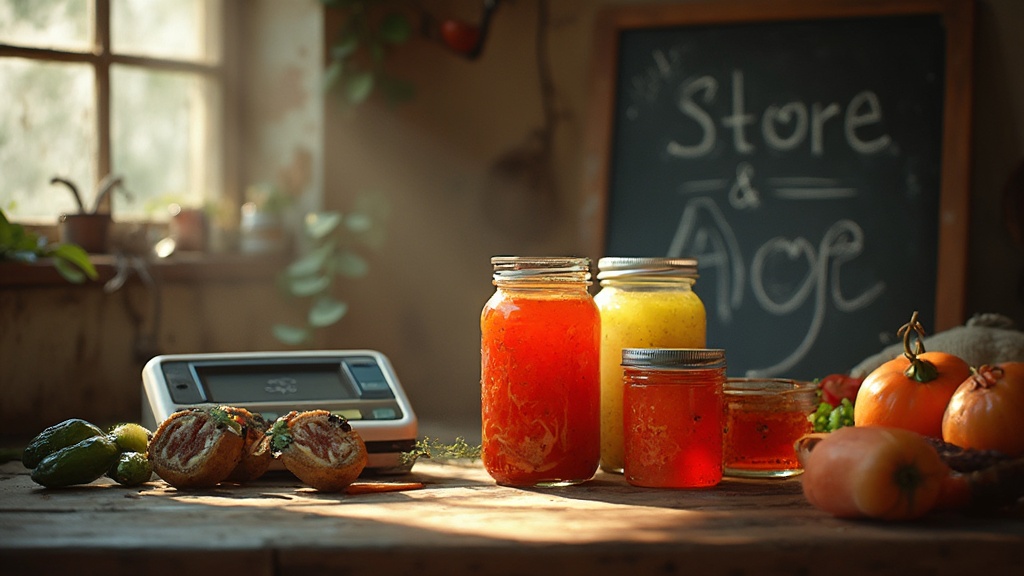
Tip: Use a kitchen scale for precision—my “respect over authenticity” mantra means every gram counts.
What Are the Best Practices for Storing Fermented Hot Sauce?
After fermentation, transfer the sauce to a clean, airtight bottle and refrigerate. The cold slows further microbial activity, preserving flavor for 6‑12 months. For longer aging (up to 2 years), store in a cool, dark pantry and top up with a thin layer of oil to create an anaerobic seal.
How Can I Incorporate Fermented Sauces Into Everyday Cooking?
Fermented hot sauce isn’t just a condiment; it’s a flavor foundation. Add a spoonful to marinades, soups, or stir‑fries to inject depth. Pair it with the global spice rack you built last month for a truly international palate.
Takeaway: Your 3‑Step Action Plan
- Pick a pepper and start a 5‑day ferment using the simple method above.
- Track the flavor evolution and note the trends you love (fruit‑infused, neuro‑flavor, etc.).
- Store the finished sauce properly and experiment in everyday dishes.
Fermentation is both science and storytelling—your sauce becomes a living record of the season, the peppers, and your kitchen’s micro‑ecosystem.
Frequently Asked Questions
What temperature is ideal for fermenting hot sauce?
65‑70°F (18‑21°C) provides a steady lactic‑acid fermentation without unwanted mold.
Can I ferment hot sauce without a kitchen scale?
Yes, but a scale ensures the 1 % salt ratio, which prevents spoilage and yields consistent flavor.
How long can fermented hot sauce last in the fridge?
Typically 6‑12 months; keep an eye on any off‑odors or mold.