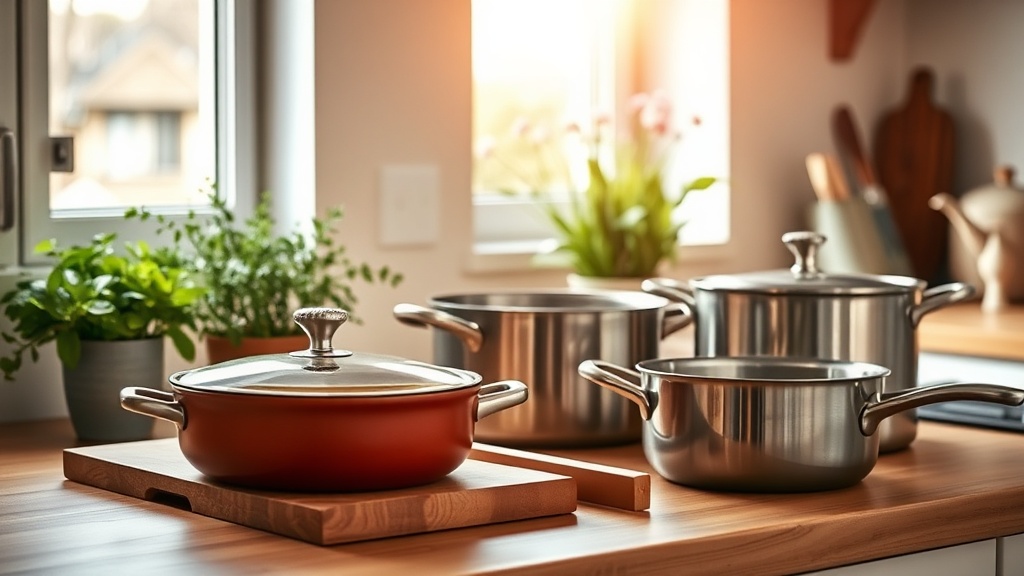
How to Choose Eco‑Friendly Cookware This Spring

Ready to upgrade your kitchen without compromising the planet? As the days grow longer and fresh produce bursts onto our tables, the right cookware can make sustainable cooking a breeze.
Choosing eco‑friendly cookware isn’t just a trend—it’s a practical way to reduce waste, lower energy use, and support responsible manufacturing. Below, I walk you through the key factors to consider, from material science to kitchen ergonomics, so you can shop with confidence this spring.
What Materials Should I Look For in Sustainable Cookware?
Not all metals are created equal. Here’s a quick rundown of the most planet‑friendly options:
- Ceramic (non‑PTFE) – Free of synthetic chemicals, offers excellent heat distribution, and is often made from locally sourced clay. EPA’s sustainable materials guide confirms its low‑impact production.
- Cast Iron – Extremely durable, lasts generations, and can be reclaimed from recycled scrap. Its high thermal mass means you use less energy over time.
- Stainless Steel (18/10 or 304) – Recyclable 100%, and when paired with a copper or aluminum core, it offers efficiency without a heavy carbon footprint.
- Carbon Steel – Similar to cast iron but lighter; it’s often produced using renewable energy in modern factories.
How Does Energy Efficiency Factor Into My Choice?
Look for cookware that heats quickly and retains heat evenly. A pan that reaches the desired temperature faster means your stove (or induction) runs for less time, cutting down on energy consumption. Check for:
- Multi‑layered bases (e.g., stainless‑steel with aluminum core)
- Induction‑compatible bottoms – they use magnetic fields, which are more efficient than traditional electric coils.
Which Brands Prioritize Ethical Sourcing and Production?
Not all manufacturers are transparent. Favor brands that publish:
- Supply‑chain audits
- Carbon‑footprint reports
- Commitments to recycled content
For example, Green America maintains a directory of certified sustainable kitchen brands.
What Size and Shape Fit My Cooking Style?
Spring is prime time for sautéing fresh vegetables and quick stir‑fries. A medium‑sized (10‑12 inch) skillet works for most tasks, while a deeper pot is ideal for soups and braises that feature seasonal produce.
How Can I Extend the Life of My Cookware?
Even the greenest pan needs care. Follow these simple habits:
- Season cast iron and carbon steel regularly with a thin oil layer after each use.
- Avoid abrasive cleaners; use a soft sponge and mild dish soap.
- Store pans with a protective layer (paper towel or cloth) to prevent scratching.
Where Can I Find Reliable Reviews of Eco‑Friendly Cookware?
My hands‑on spring review breaks down performance across ceramic, cast iron, and stainless steel. Read it here for real‑world test results.
What Are the Most Common Pitfalls When Buying Sustainable Cookware?
Beware of “green‑washed” marketing. Red flags include:
- Vague claims without data (e.g., “eco‑friendly” without material specs)
- Plastic‑coated non‑stick surfaces that release toxins at high heat
- Extremely low prices that suggest compromised manufacturing standards
Takeaway: Your Spring Cookware Checklist
Before you click “add to cart,” run through this quick checklist:
- Material: ceramic, cast iron, stainless steel, or carbon steel?
- Energy efficiency: multi‑layered base, induction‑compatible?
- Brand transparency: supply‑chain data, recycled content?
- Size/shape suited to your spring recipes?
- Care instructions align with your routine?
If you can answer “yes” to most, you’re on track to a greener kitchen.
Happy cooking, and enjoy the fresh flavors of spring while keeping the planet in mind!
Steps
- 1
Identify Your Priorities
Decide which sustainability factors matter most—material durability, energy efficiency, or brand transparency—and write them down.
- 2
Research Brands and Materials
Use the criteria you listed to compare ceramic, cast iron, stainless steel, and carbon steel options, checking each brand’s supply‑chain reports.
- 3
Match Size to Spring Recipes
Pick a 10‑12 inch skillet for vegetable sautés and a deeper pot for seasonal soups or braises.
- 4
Plan Care Routine
Schedule seasoning for cast iron, choose gentle cleaning tools, and store pans with a protective layer to extend lifespan.