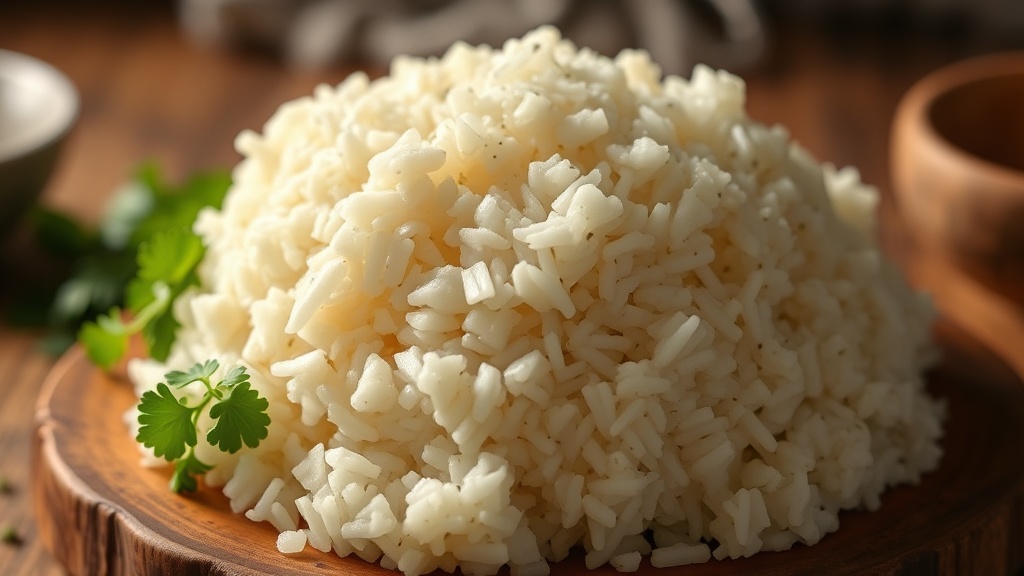
How to Cook Rice That Actually Tastes Like Restaurant Quality

Why Does Restaurant Rice Taste So Much Better Than Home-Cooked?
Here is something that might stop you mid-bite—most professional kitchens do not use fancy rice cookers. A 2023 survey of independent restaurants across North America found that nearly 60% of chefs still prefer the stovetop method for their rice dishes. Yet that same pot of grains you attempt at home comes out gummy one day, chalky the next, and somehow never achieves that distinct, separate texture you get when dining out. The difference is not the equipment. It is technique—and a handful of small decisions that most home cooks overlook entirely.
This post covers the stovetop method for consistently excellent rice, the science behind why certain steps matter more than others, and the common mistakes that sabotage your results before you even turn on the burner.
What Is the Exact Water-to-Rice Ratio for Fluffy Grains?
The one-to-two ratio you have probably memorized is not wrong—it is just incomplete. Long-grain white rice typically needs about 1.5 to 1.75 parts water to one part rice by volume, not a flat two-to-one. That extra half-cup of liquid is often where mushiness begins. For short-grain varieties like sushi rice or arborio, you will want closer to a one-to-one ratio because those grains need less evaporation to reach their ideal texture.
Here is the part most recipes gloss over—rinse your rice until the water runs almost clear. That cloudy runoff is excess starch, and starch is the enemy of separation. When you skip rinsing (or stop after one quick swirl), that starch gelatinizes during cooking and binds grains together into the clumpy mass we have all accepted as "homemade rice." Take an extra minute. Use a fine-mesh strainer. Your patience pays dividends.
Another overlooked variable: the soaking step. Letting rinsed rice rest in fresh water for fifteen to thirty minutes before cooking allows grains to hydrate evenly. This means the exterior cooks at roughly the same rate as the interior, eliminating those chalky centers that ruin an otherwise decent batch. It is not mandatory—you can skip it on weeknights—but when you want rice that holds its own against a main dish, the soak matters.
Should You Add Oil or Salt When Cooking Rice?
Salt is non-negotiable if you want rice that tastes like something. Season the cooking water as you would pasta water—it should taste noticeably saline. The grains absorb that seasoning as they swell, building flavor from the inside out. Unsalted rice tastes flat no matter what sauce you pour over it.
Oil or butter is where opinions split. Some cooks swear by a tablespoon of fat to prevent sticking; others argue it creates a greasy coating that repels sauce later. The truth sits somewhere in the middle. A small amount of neutral oil (think grapeseed or canola) helps prevent the bottom layer from cementing itself to your pot—useful if your cookware is prone to hot spots. Skip it if you are using a heavy-bottomed pot with even heat distribution. For aromatic rice dishes like pilaf or biryani, toasting the grains in fat before adding liquid is a different technique entirely and absolutely worth the extra step.
One technique borrowed from professional kitchens: the tight lid seal. Evaporation is your enemy during the simmering phase. Any steam that escapes carries away moisture you calculated into your ratio. Use a heavy lid. If yours fits loosely, drape a clean kitchen towel between pot and lid to absorb condensation and prevent it from dripping back onto the rice surface. Just keep the towel ends away from open flames—safety first.
Why Does My Rice Burn on the Bottom Every Time?
That stubborn layer of stuck, golden-brown grains—tahdig in Persian cooking, pegao in Puerto Rican cuisine—is either a delicacy or a disaster depending on your perspective. If you are aiming for fluffy, separate grains and ending up with a burnt crust, your heat is too high or your timing is off.
The correct method looks like this: bring your rinsed rice and measured water to a rolling boil, uncovered. Once boiling, give it one gentle stir to distribute any grains that stuck to the bottom during the heating phase. Then clamp the lid on, drop the heat to the lowest possible setting, and do not lift that lid for twelve to fifteen minutes. No peeking. Every time you break the seal, you release steam and extend cooking time unpredictably.
After the timer sounds, remove the pot from heat entirely—but keep the lid on for another ten minutes. This resting phase allows residual moisture to redistribute throughout the grains. Think of it as letting a steak rest, but for carbohydrates. Fluff with a fork (not a spoon, which compresses grains) and serve immediately.
If you consistently get burned bottoms, check your burner. Some gas stoves run hot even on their "low" setting. A heat diffuser—essentially a metal plate that sits between flame and pot—can regulate this. Alternatively, transfer the pot to a cooler burner for the simmering phase if your stove supports it.
How Do Different Rice Varieties Change the Method?
Not all rice plays by the same rules. Basmati and jasmine—aromatic long-grain varieties popular across South and Southeast Asia—benefit from extended rinsing and often require slightly less water than standard long-grain white rice. Their aged, parched grains have lower moisture content to begin with, so they absorb liquid differently.
Brown rice is a completely different beast. The intact bran layer acts as a barrier, slowing water absorption and extending cooking time. You will need roughly two parts liquid to one part brown rice, and the simmering phase stretches to forty-five minutes. The resting period becomes even more critical here—brown rice continues absorbing moisture as it cools, and cutting that short leaves you with unpleasantly chewy grains.
Short-grain sushi rice demands precision. The goal is sticky, cohesive grains that hold together for shaping, but not mush. Rinse thoroughly, use a one-to-one ratio, and consider investing in a wooden hangiri (mixing tub) if you make sushi regularly. The wood absorbs excess moisture during the seasoning phase in ways metal bowls cannot replicate.
What About Rice Cookers—Are They Worth It?
If you eat rice multiple times weekly, a dedicated rice cooker removes guesswork and frees up stovetop real estate. Modern fuzzy-logic models adjust temperature dynamically and can keep rice warm for hours without drying it out. They are not cheating—they are tools, and good ones at that.
But they are not mandatory. The stovetop method, executed properly, produces indistinguishable results. It also teaches you to read your rice—to recognize when grains have absorbed sufficient liquid and when they need more time. That intuition transfers to other grains (farro, quinoa, barley) and makes you a more versatile cook overall.
One final note on storage: leftover rice dries out in refrigeration. Rehydrate it with a damp paper towel draped over the bowl when microwaving, or repurpose it into fried rice—day-old grains actually work better for that application since they have less surface moisture to steam and soften during the high-heat stir-fry.
"The test of good rice is simple—each grain should retain its identity while yielding pleasantly to the bite." — The Oxford Companion to Food
Mastering rice is not about perfection on the first attempt. It is about understanding variables—water ratios, heat levels, resting times—and adjusting them deliberately. Start with long-grain white rice, nail the basics, then branch into the vast world of global rice preparations. Your next pilaf, biryani, or simple weeknight side dish will be better for the effort.