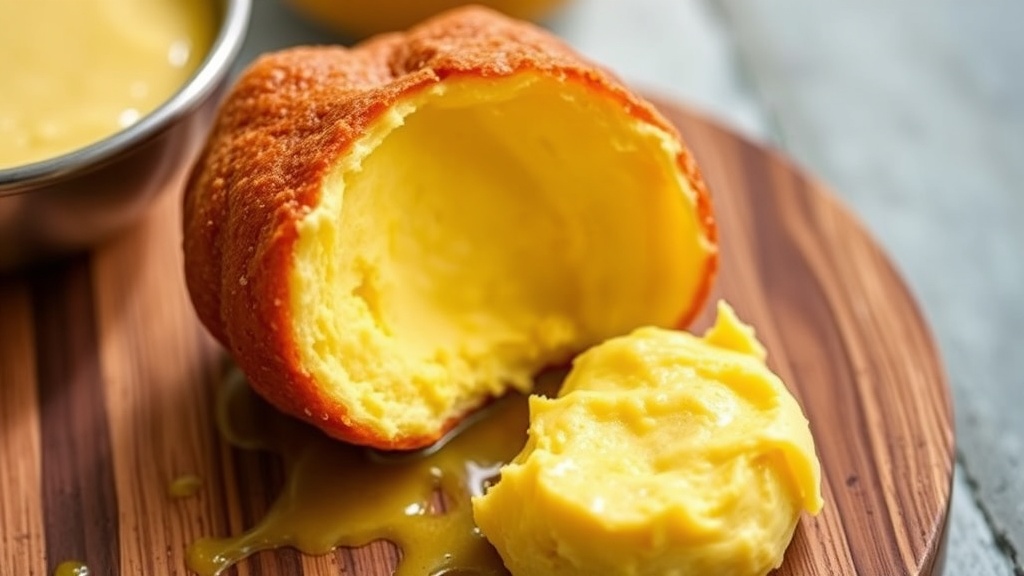
How to Make Compound Butters That Transform Everyday Cooking

What Is Compound Butter and Why Should You Bother?
You're about to learn how to turn ordinary butter into a flavor weapon that'll change how you cook. Compound butter—simply butter mixed with herbs, spices, citrus, or other aromatics—is one of those kitchen tricks that professional cooks rely on constantly. It's dead simple to make, keeps for weeks in your freezer, and adds instant depth to everything from grilled steaks to roasted vegetables to a slice of crusty bread.
The beauty of compound butter is its versatility. You can whip up a batch on Sunday and have a finishing touch ready for weeknight dinners that taste like you spent hours building layers of flavor. No special equipment needed—just a bowl, a fork, and some room-temperature butter. Whether you're looking to rescue a bland piece of chicken or add a restaurant-worthy flourish to grilled corn, compound butter does the heavy lifting.
In this guide, you'll learn the basic technique, discover three flavor combinations that work across different cuisines, and understand how to store your creations so they're always ready when inspiration (or dinner time) strikes. By the end, you'll never look at a stick of butter the same way again.
What's the Right Butter to Use for Compound Butters?
Start with unsalted butter. Full stop. Salted butter varies wildly between brands—some are barely seasoned, others taste like a salt lick. When you begin with unsalted, you control the seasoning. That said, don't reach for the cheapest stick in the dairy case. Butter fat content matters here.
European-style butters (which contain around 82-84% fat compared to the standard 80%) create a richer, more luxurious compound butter. Brands like Kerrygold, Plugrá, or President are worth the extra dollar or two. The higher fat content means less water, which translates to better flavor concentration and a silkier texture when the butter melts.
Your butter needs to be properly softened—not melted, not cold and hard, but pliable. Think room temperature, around 65-68°F. It should give slightly when pressed but still hold its shape. If your butter is too cold, you'll struggle to incorporate ingredients evenly. Too warm, and you'll end up with greasy, separated butter that won't hold together.
Here's a pro move: if you forgot to take the butter out ahead of time, grate it on the large holes of a box grater. The increased surface area brings it to room temperature in minutes. Or microwave it in 5-second bursts, flipping the stick between each burst, until it's soft enough to work with.
How Do You Actually Make Compound Butter?
The technique couldn't be simpler. Let your butter soften to room temperature, then transfer it to a bowl. Add your flavorings—more on those in a moment—and mash everything together with a fork until thoroughly combined. That's it. No food processor required, though you can use one if you're making a large batch.
The key is tasting as you go. Unlike baking, compound butter is forgiving. Start with less of strong ingredients (garlic, anchovy, hot pepper), mix, taste, and adjust. You want the flavors balanced—not one element screaming over the others. Once mixed, you'll need to shape it for storage.
Lay out a sheet of plastic wrap or parchment paper. Scoop your butter mixture onto the center, then use the wrap to roll it into a log shape. Twist the ends like a candy wrapper and refrigerate until firm. For longer storage, pop that log into a freezer bag and freeze—it'll keep for up to three months.
When you need some, simply unwrap and slice off coins as thick or thin as you like. A quarter-inch coin melts beautifully over a hot steak. A thin shaving works wonders on toasted bread. The log shape makes portioning effortless, and you'll look like a culinary wizard every time you pull one from the fridge.
What Flavor Combinations Actually Work?
Now for the fun part—building your flavor arsenal. Here are three compound butter recipes that cover different applications, from everyday cooking to special occasions.
The Classic Herb Blend
Mix ½ cup softened butter with 2 tablespoons finely minced fresh parsley, 1 tablespoon minced chives, 1 teaspoon minced fresh thyme, a small grated garlic clove, a pinch of salt, and a few cracks of black pepper. This is your all-purpose workhorse—perfect on grilled fish, roasted potatoes, or stirred into steamed rice. The parsley brings freshness, chives add mild onion notes, and thyme provides earthy depth.
The Steakhouse Special
Combine ½ cup butter with 1 tablespoon Worcestershire sauce, 2 teaspoons Dijon mustard, 2 tablespoons finely minced shallot, 1 tablespoon chopped fresh tarragon, and plenty of black pepper. This one's designed for red meat—think ribeyes, lamb chops, or even a humble burger. The Worcestershire adds umami depth, while tarragon's subtle anise flavor plays beautifully with beef. Learn more about pairing compound butters with different cuts of meat.
The Sweet and Spicy Option
Blend ½ cup butter with 2 tablespoons honey, 1 tablespoon Sriracha or your favorite hot sauce, 1 teaspoon lime zest, and a pinch of salt. Don't knock it until you've tried it on cornbread, roasted sweet potatoes, or brushed over grilled corn. The heat is mellowed by the fat, the honey adds complexity, and the lime keeps everything bright. It's unexpected and completely addictive.
How Do You Store Compound Butter Properly?
Storage is where compound butter really shines as a meal-prep ally. In the refrigerator, your butter log will keep for about two weeks—just make sure it's wrapped tightly to prevent it from absorbing other flavors. For longer storage, freezing is your friend.
Here's a clever trick: instead of one big log, pipe or spoon your compound butter into an ice cube tray. Freeze until solid, then pop the pucks out and store them in a freezer bag. Each cube is roughly a tablespoon—perfect for individual servings. Drop one into a pan sauce, melt one over a single piece of fish, or use two for a family-sized vegetable dish.
Label everything with the flavor and date. Compound butters tend to look similar once frozen, and "mystery butter" isn't nearly as appealing six months later. Use within three months for best flavor, though they'll remain safe to eat longer than that.
When you're ready to use frozen compound butter, you don't need to thaw it completely. A sharp knife can slice through a frozen log, or you can grate it directly over hot food using a microplane. The heat of your dish will melt it instantly, distributing flavor exactly where you want it.
When Should You Reach for Compound Butter?
The short answer? Almost anywhere you'd use regular butter and want more flavor. But here are some specific moments where compound butter really earns its keep.
Finishing grilled or roasted proteins: A coin of herb butter melting over a just-cooked piece of salmon, chicken, or steak adds instant sauciness without any pan deglazing required. The butter carries your flavorings and creates a sauce right on the plate.
Reviving leftovers: Last night's roasted vegetables looking sad? A pat of compound butter and a quick reheat in a hot pan brings them back to life. The same goes for dry chicken breast or day-old rice.
Elevating simple carbs: Plain rice, basic pasta, a slice of toast—these become crave-worthy with compound butter stirred in or spread on top. It's the fastest way to make a side dish feel intentional.
Creating pan sauces: After cooking meat, add a spoonful of compound butter to the hot pan along with a splash of wine or stock. Swirl until emulsified, pour over your protein, and you've got a restaurant-quality pan sauce in thirty seconds.
The real magic of compound butter is that it does the work of multiple ingredients in one convenient package. Herbs, acid, seasoning, and richness—all ready to go at a moment's notice. Explore more compound butter flavor ideas from professional chefs.
What Mistakes Should You Avoid?
Even this simple technique has a few pitfalls. First, don't use wet ingredients without thinking. Fresh herbs are fine, but things like chopped tomatoes or cucumber will introduce too much water and cause your butter to separate. If you want vegetal flavors, stick to roasted garlic (sweet and dry) rather than raw (pungent and wet), or use zest instead of juice.
Second, don't skip the salt. Even if you're using salted butter, unsalted additions like herbs and aromatics need seasoning. Under-seasoned compound butter tastes flat no matter how much fresh tarragon you pack in. Taste, adjust, taste again.
Finally, don't limit yourself to savory applications. Sweet compound butters—think maple-cinnamon, vanilla-brown sugar, or orange-honey—are incredible on pancakes, waffles, or stirred into oatmeal. The technique is identical; only the ingredients change.
Start with one batch this week. Keep it simple—maybe just garlic and parsley. Once you see how easily it transforms a weeknight dinner, you'll find yourself keeping a log or two on hand at all times. It's one of those small kitchen habits that pays dividends every single time you cook. Get more tips on flavor combinations and storage methods.