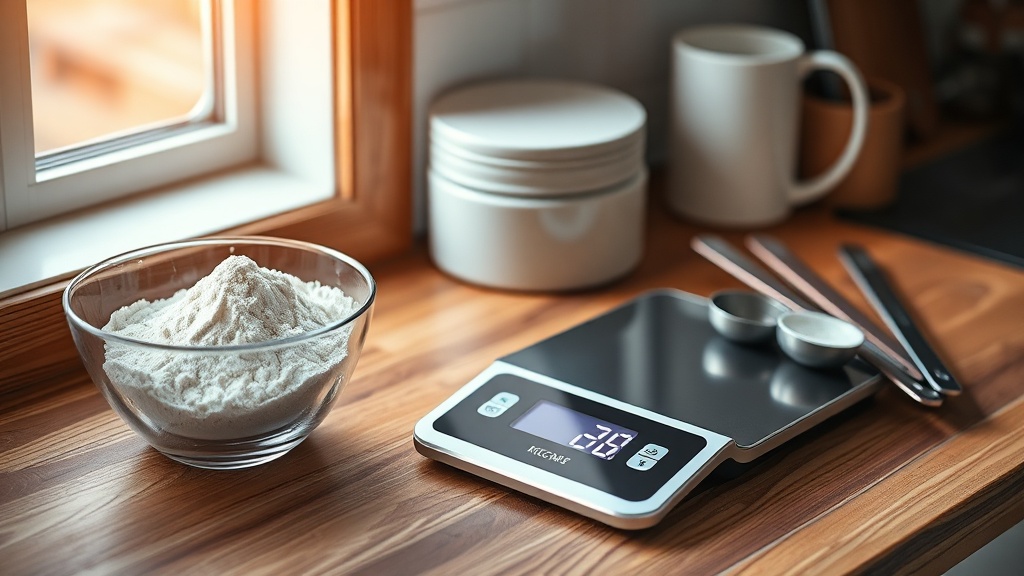
How to Pick the Perfect Kitchen Scale (2026 Review of Top 3)

Hook
Ever wondered why a pinch of salt can make or break a sauce? The secret often lies in how accurately you measure that pinch. I once tried to perfect a Lebanese baklava recipe using volume measurements alone – the result was a soggy disappointment that taught me the hard way that weight, not volume, is king in the kitchen.
Context
As someone who translates global culinary traditions for a cramped Queens kitchen, I’ve learned that precision isn’t just for lab coats. A reliable kitchen scale bridges the gap between ethnographic research and home‑cooked comfort, letting you respect the science behind every dish while keeping the soul intact.
Why does a kitchen scale matter?
Weight‑based cooking eliminates the variability that comes with cup‑measurements. A cup of flour can weigh anywhere from 110 g to 150 g depending on how you scoop it. That 40‑gram swing translates to a texture shift from airy crumb to dense loaf. In my own experiments with khanom (Thai coconut pudding), a 5‑gram difference changed the set‑time dramatically.
"Precision is respect, not obsession," I always say when I calibrate my scale before a new batch.
What features should I look for?
1. Accuracy and readability
Aim for a scale that reads within ±1 g up to at least 5 kg. The display should be clear even in low‑light kitchens – a backlit LCD saves you fumbling for the dial.
2. Tare function and auto‑off
A seamless tare button lets you zero out the weight of bowls, while a reasonable auto‑off timer (30 seconds or more) prevents premature shutdown during multi‑step recipes.
3. Platform size and material
A stainless‑steel platform resists corrosion from spills and can hold larger items like a bag of rice. If you bake frequently, a larger surface prevents the scale from tipping.
4. Units and conversion
Switching between grams, ounces, and milliliters on the fly speeds up cross‑cultural recipes – essential when you’re juggling a kimchi batch (grams) and a bourbon‑infused glaze (ounces).
Which scales top the list in 2026?
Escali Primo Digital Scale – Best Budget Performer
- Price: $19.99 (Amazon) – affordable for students and apartment cooks.
- Capacity: 5 kg / 11 lb, Precision: ±1 g.
- Why I love it: It’s compact enough to slide under my H‑Mart pantry door, yet the tare button is buttery smooth. The backlit display reads clearly even when I’m juggling a pot of soup with a phone timer.
- Source: Serious Eats review
Ozeri Pronto Digital Multifunction Scale – Best All‑Rounder
- Price: $34.95 (Wirecutter) – a modest jump for added features.
- Capacity: 5 kg, Precision: ±1 g, Units: g, oz, ml, lb.
- Why it fits my workflow: The built‑in bowl‑holder lets me weigh liquids directly, which is a lifesaver when I’m making labneh and need exact water ratios.
- Source: Wirecutter review
Ooni Dual‑Platform Digital Scale – Best for Heavy‑Duty Baking
- Price: $89.99 (CNET) – an investment for serious bakers.
- Capacity: 10 kg / 22 lb, Precision: ±0.5 g.
- Why it’s a game‑changer: Two platforms mean I can weigh dough on one side while keeping the other free for toppings – perfect for my black lime broth experiments that require exact broth‑to‑solid ratios.
- Source: CNET review
How to calibrate and maintain your scale
- Zero it on a clean surface. Dust or crumbs skew readings.
- Use the calibration weight that came with the device (usually a 100 g stainless steel disc). Follow the manufacturer’s steps – usually a button press and placing the weight.
- Wipe the platform after each use. A damp cloth followed by a dry one prevents moisture from corroding the sensor.
- Store it flat in a drawer or on a shelf; dropping it can misalign the load cell.
Tips for using a scale in everyday cooking
- Batch your ingredients. Weigh flour, sugar, and butter together for quick dough prep.
- Measure liquids in a separate container. Even though some scales handle liquids, a glass measuring cup avoids spillage on the sensor.
- Keep a small “spice bag” on the counter. I fill a zip‑top bag with garam masala and weigh out exactly 5 g each time – it’s faster than spoon‑ing and ensures consistency.
- Combine with my Global Spice Rack guide. A precise scale makes that $50 pantry build truly efficient. (How to Build a Global Spice Rack on a Budget)
- Check USDA labeling when buying pre‑packed spices; the weight listed on the label should match what your scale reads. (USDA Spice Labeling 2026)
Takeaway
A kitchen scale isn’t a luxury; it’s a research tool that lets you honor the chemistry of global cuisines. Whether you’re perfecting a kimchi brine, scaling up a sourdough starter, or simply weighing out a pinch of sea salt, the right scale saves time, reduces waste, and elevates flavor.
Pick the Escali Primo if you’re on a shoestring budget, the Ozeri Pronto for everyday versatility, or the Ooni Dual‑Platform if you’re serious about baking at scale. Calibrate it, treat it gently, and let the numbers guide your next culinary adventure.
Happy weighing!