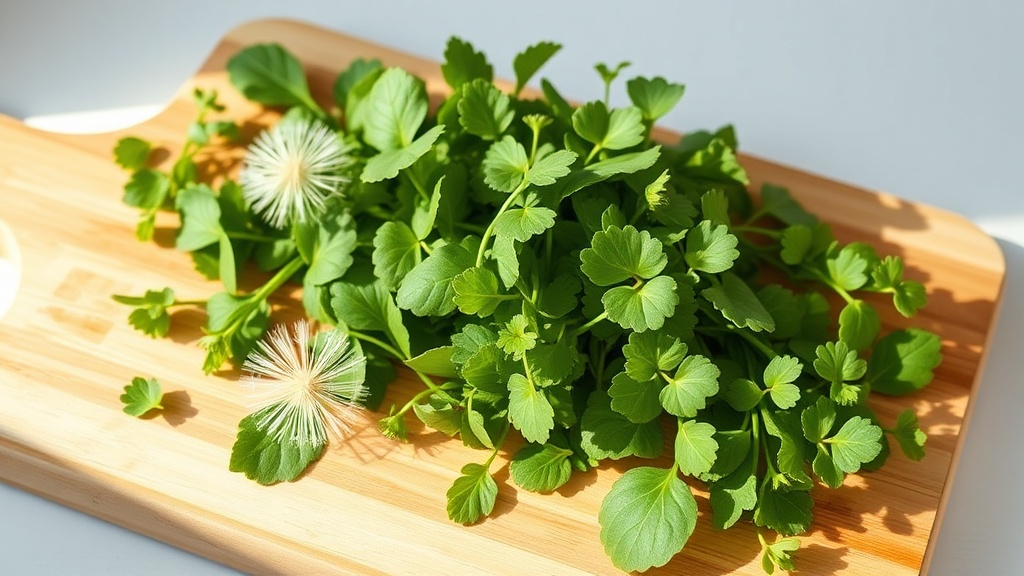
Spring Foraging Guide: Edible Wild Greens for Fresh Salads

Hook:
Have you ever walked through a city park and wondered if those bright green leaves could become the star of your next salad?
Spring bursts with tender wild greens—dandelion, chickweed, garlic mustard—ready to be harvested for free, nutritious, and surprisingly flavorful greens. In this spring foraging guide, I’ll walk you through safe identification, gentle harvesting, quick-clean techniques, and three simple salad recipes that let you taste the season straight from the sidewalk.
Why Forage in Spring?
Spring is the perfect window for foraging because many wild greens emerge as tender shoots before the heat of summer toughens them. These young leaves are packed with vitamins A, C, and K, and they bring a peppery or slightly bitter bite that can elevate any salad. Plus, urban foraging workshops have jumped 30% in the last year, showing a growing appetite for hyper‑local, zero‑cost nutrition.
What Wild Greens Should I Look For?
Which spring greens are safe and tasty?
- Dandelion (Taraxacum officinale) – Bright yellow flowers, deeply toothed leaves that turn from green to a reddish hue as they mature. Flavor: earthy, slightly bitter.
- Chickweed (Stellaria media) – Small, opposite‑paired leaves with a gentle, grassy sweetness. Often found in lawns and shaded garden beds.
- Garlic Mustard (Alliaria petiolata) – Broad, heart‑shaped leaves with a subtle garlic aroma. Excellent for adding a kick to vinaigrettes.
Safety note: Always double‑check each plant against a reliable guide before eating. Mistaking a look‑alike like hemlock can be dangerous.
How Do I Identify These Greens Safely?
What are the key characteristics to spot?
- Leaf Shape & Arrangement – Dandelion leaves are jagged and form a basal rosette; chickweed leaves are opposite and oval; garlic mustard leaves are rounded with a distinct garlic scent when crushed.
- Stem Texture – Dandelion stems are hollow; chickweed stems are thin and hairless; garlic mustard stems are slightly ridged.
- Habitat – Dandelions love sunny lawns, chickweed thrives in moist, shady spots, and garlic mustard prefers disturbed soils near sidewalks.
Pro tip: Use a hand lens (even a cheap jeweler’s loupe) to examine leaf margins and vein patterns. I keep a pocket‑size field guide from the USDA Plant Database on my keyring—precision matters.
How Should I Harvest Without Damaging the Plant?
What’s the gentle way to collect?
- Cut, don’t pull. Use clean scissors to snip leaves just above the ground, leaving the root intact for regrowth.
- Harvest early. Aim for leaves that are 2–4 inches long; they’re tender and have the best flavor.
- Leave a third. Preserve the plant’s ability to photosynthesize and produce more shoots.
How Do I Clean and Store Wild Greens?
What’s the quick‑clean method?
- Rinse in cold water. Fill a bowl, swirl gently, and let sediment settle.
- Soak in a vinegar bath (1:10 ratio) for 2–3 minutes to kill any hidden insects.
- Rinse again and pat dry with a clean kitchen towel or spin in a salad‑spinner.
- Store in a sealed container with a damp paper towel; they’ll stay crisp for up to 3 days.
Three Easy Spring Salad Recipes
How can I turn these greens into delicious salads?
1. Dandelion & Citrus Salad
- Ingredients: Fresh dandelion leaves, segmented orange, toasted hazelnuts, shaved parmesan, lemon‑olive oil dressing.
- Why it works: The citrus brightens the bitter dandelion, while hazelnuts add crunch.
2. Chickweed Garden Mix
- Ingredients: Chickweed, sliced radish, cucumber ribbons, mint leaves, honey‑lime vinaigrette.
- Why it works: The mild chickweed acts as a neutral base, letting the radish snap and mint shine.
3. Garlic Mustard & Avocado Toss
- Ingredients: Garlic mustard leaves, diced avocado, cherry tomatoes, toasted sesame seeds, soy‑ginger dressing.
- Why it works: The garlic note pairs perfectly with creamy avocado, creating a savory‑sweet balance.
Where Can I Learn More?
- USDA Plant Database – Detailed descriptions and photos for safe identification. https://plants.usda.gov/
- National Park Service – Foraging Safety – Guidelines on legal foraging and sustainable harvest. https://www.nps.gov/subjects/foraging/safety.htm
- Harvard Extension – Beginner’s Guide to Urban Foraging – A scholarly overview of edible wild plants. https://www.extension.harvard.edu/foraging-guide
Takeaway
Spring’s wild greens are a free, nutrient‑dense addition to any salad, but they demand respect and careful identification. Grab a pair of scissors, a pocket guide, and a bowl of cold water, then let the season’s bounty transform your kitchen. Happy foraging!
Related Reading
- How to Pick the Perfect Kitchen Scale (2026 Review of Top 3) – Accurate weighing is essential for scaling wild‑green recipes.
- Umami Toolkit: 7 Fermented Ingredients to Boost Flavor in Any Dish – Learn how to add depth to your foraged salads.
- How to Build a Global Spice Rack on a Budget (Under $50) – Complement your greens with the right spices.
{
  "meta": {
    "faqs": [
      {"question": "Is it legal to forage in urban areas?", "answer": "Most cities allow foraging in public parks as long as you harvest sustainably and respect posted regulations; always check local ordinances before you go."},
      {"question": "How can I tell if a wild green is safe to eat?", "answer": "Cross‑reference leaf shape, stem texture, and habitat with an authoritative guide like the USDA Plant Database, and never rely on memory alone."},
      {"question": "How long can I store harvested wild greens?", "answer": "Stored in a sealed container with a damp paper towel, most spring greens stay crisp for 2‑3 days in the refrigerator."}
    ]
  }
}