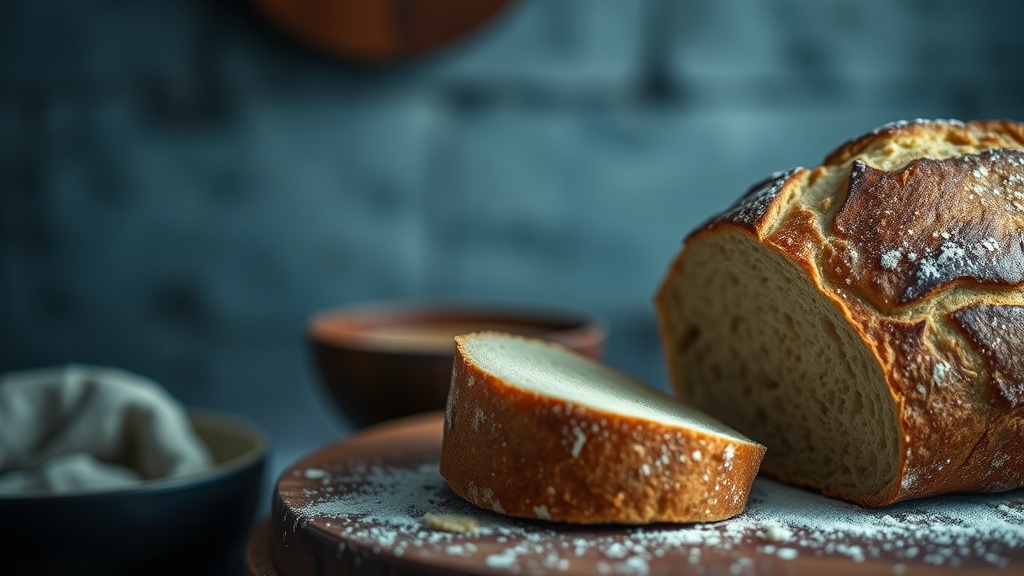
The Art of Perfect Homemade Sourdough: A Beginner's path

This post walks through everything needed to bake a perfect sourdough loaf at home—from building a starter to shaping, scoring, and baking. No fancy equipment required. Whether you're tired of $8 bakery loaves or simply want to master one of cooking's most satisfying skills, the techniques here will get you from flour and water to crusty, airy bread in about two weeks.
What Equipment Do You Actually Need to Start Baking Sourdough?
Far less than most think. A kitchen scale, a mixing bowl, a Dutch oven, and a lame (or sharp razor) cover the basics. Many beginners get overwhelmed by Instagram feeds showing proofing boxes, bannetons, and steam injectors—nice to have, sure, but not necessary.
Here's what actually matters:
- A digital scale — Measuring by volume is a recipe for inconsistency. The Escali Primo P115 ($25) does the job perfectly.
- A Dutch oven — Traps steam during the initial bake, creating that shatteringly crisp crust. The Lodge 6-Quart Enameled Dutch Oven works as well as models costing three times as much.
- A banneton or proofing basket — Optional. A mixing bowl lined with a floured tea towel produces identical results.
- A lame — A razor blade taped to a coffee stirrer scores bread beautifully. No need for the $35 artisan versions.
The catch? Temperature matters more than gadgets. A $15 instant-read thermometer (the ThermoPop is reliable) helps monitor dough and water temperatures—keeping everything between 75°F and 80°F makes fermentation predictable.
How Do You Build a Sourdough Starter from Scratch?
Mix equal parts flour and water, wait 24 hours, discard half, feed again. Repeat for 7–10 days until the mixture doubles predictably and smells pleasantly tangy.
That's the short version. Here's the longer one—because starters intimidate beginners more than any other part of sourdough.
Day 1: Combine 50g whole wheat flour with 50g lukewarm water in a jar. Stir vigorously, cover loosely, and leave at room temperature. Whole wheat jumpstarts fermentation faster than all-purpose thanks to higher mineral content.
Days 2–3: Little may happen. Bubbles might appear—or not. Don't panic. Discard all but 25g of the mixture, then feed with 25g flour (switch to all-purpose now if desired) and 25g water.
Days 4–7: Activity increases. The starter should rise, peak, then fall. That falling indicates hunger—time to feed again. Many beginners mistake the fall for death. It's not. It's a signal.
By day 10, a healthy starter doubles within 4–6 hours of feeding, domes slightly at the peak, and passes the "float test"—a teaspoon of starter floats in water. (Worth noting: the float test isn't perfect. Some excellent starters fail it. Use it as one indicator among many.)
Once established, store the starter in the refrigerator and feed weekly. For frequent baking, keep it on the counter and feed daily. The King Arthur Baking sourdough starter guide offers excellent troubleshooting for sluggish starters.
What's the Best Flour for Sourdough Bread?
Bread flour with 11–13% protein content produces the most reliable results. All-purpose works in a pinch, but the lower protein means less gluten development—and less of that coveted open crumb structure.
| Flour Type | Protein Content | Best For | Notable Brands |
|---|---|---|---|
| Bread Flour | 12–14% | Standard loaves, open crumb | King Arthur, Central Milling |
| All-Purpose | 9–11% | Softer crust, sandwich bread | Gold Medal, Pillsbury |
| Whole Wheat | 13–14% | Dense, nutty loaves | Bob's Red Mill, Arrowhead Mills |
| Rye | 8–9% | Flavor addition (20% max in blend) | Danish Rye Flour, Bacheldre |
Here's the thing: beginners should start with 100% bread flour. Master the fundamentals before experimenting with whole grains, which absorb water differently and ferment faster. Once comfortable, substitute 10–20% of bread flour with whole wheat for added flavor and nutrition.
Freshness matters more than brand. Flour older than six months loses enzymatic activity. Buy from stores with high turnover, or better yet—a local mill. In Richmond, Woodson's Mill produces exceptional stone-ground flour that brings noticeably more fermentation vigor.
How Long Does Sourdough Fermentation Really Take?
From mixing to baking: 4–24 hours depending on temperature and technique. Most home bakers use a two-stage process—bulk fermentation followed by proofing—that spans an afternoon or overnight.
Bulk fermentation happens right after mixing. The dough sits at room temperature while yeast and bacteria produce carbon dioxide, alcohol, and acids. This develops flavor and begins structure. At 78°F, expect 4–6 hours. At 68°F, 10–12 hours.
Here's a simple timeline for a Saturday bake:
- 8:00 AM — Mix flour, water, starter, and salt. Perform stretch-and-folds every 30 minutes for 2 hours.
- 10:30 AM — Let dough rest undisturbed. Look for 50–75% volume increase.
- 2:00 PM — Pre-shape into a loose round. Rest 30 minutes.
- 2:30 PM — Final shape. Place in banneton or bowl.
- 3:00 PM — Refrigerate for cold proof (8–24 hours) OR proof at room temperature 2–4 more hours.
The refrigerator trick is a beginner's best friend. Cold temperatures slow fermentation dramatically, creating flexibility. Shape Friday evening, bake Saturday morning. The cold also firms the dough, making scoring easier and often producing better oven spring.
Reading the Dough, Not the Clock
Recipes provide time estimates. Experienced bakers ignore them. Instead, watch for these signs:
- Windowpane test — Stretch a small piece of dough until translucent without tearing. Pass means gluten is developed.
- Jiggle test — Gently shake the container. Properly fermented dough wobbles like Jell-O.
- Finger poke test — Press a floured finger into shaped dough. Slowly springing back means ready. Immediate snap-back means under-proofed. No spring means over-proofed (bake immediately—it won't get better).
Why Does Sourdough Scoring Matter So Much?
Scoring controls where the loaf expands. Without a cut, bread ruptures randomly—often at the weakest point, which becomes the ugliest. A deliberate slash creates a "ear" (the raised flap of crust) and guides the final shape.
Depth matters more than pattern. A single slash at a 45-degree angle, 1/4 to 1/2 inch deep, outperforms elaborate designs cut too shallow. The angle creates a flap that lifts and separates during baking—that's the ear.
For beginners: one straight slash across the center. That's it. Practice that fifty times before attempting wheat stalks or spirals. A sharp razor matters—dull blades drag and seal the cut. Change blades often.
"The score is the only part of bread baking you can see from across the room. Don't let vanity make it shallow." — Chad Robertson, Tartine Bread
Steam is the other half of crust equation. Professional ovens inject steam; home ovens don't. The Dutch oven solves this by trapping the dough's own moisture during the critical first 20 minutes. Remove the lid after that initial phase to brown and harden the crust.
That said, even perfect technique produces inconsistent results for the first dozen loaves. Flour varies. Kitchen temperatures shift. Starters have moods. The learning curve is real—but shorter than most assume. By loaf five, patterns emerge. By loaf fifteen, intuition develops.
One final note on storage: never refrigerate fresh sourdough. The cold accelerates staling through starch retrogradation. Keep cut loaves cut-side-down on a cutting board, or freeze sliced portions wrapped tightly. A loaf stays fresh at room temperature for 3–4 days—longer than yeasted bread thanks to sourdough's natural preservation from acidity.
Ready to start? Mix that first starter tonight. By next weekend, the smell of baking bread will fill your kitchen. And once you've tasted a slice still warm from the oven—spread with salted butter, maybe a drizzle of honey—you'll understand why people obsess over something so fundamentally simple.