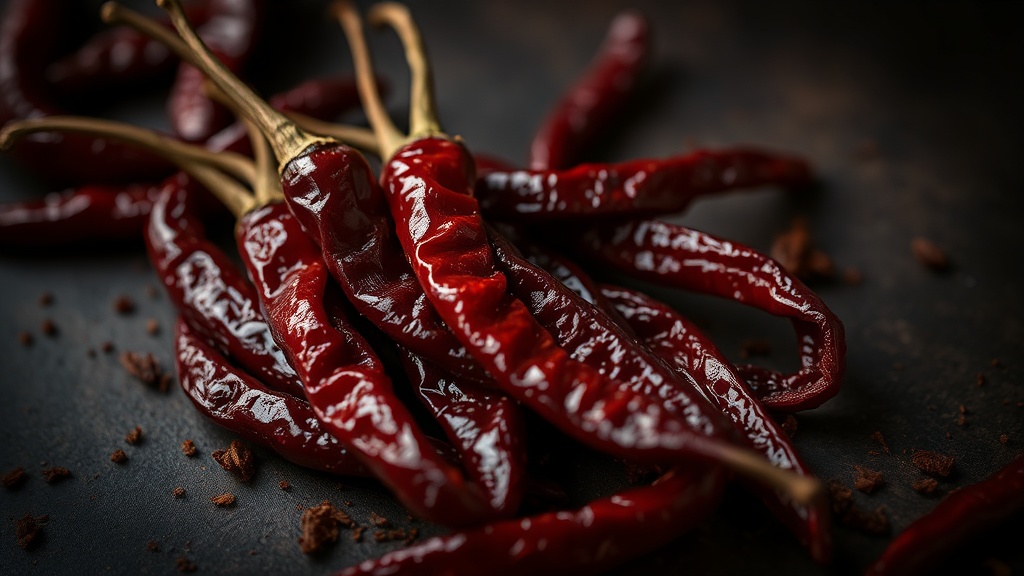
The Deeper Flavors of Dried Chiles: Beyond Mere Heat

Unlock the Secret to Complex Flavors with Dried Chiles
If you’ve always thought of dried chiles as simply a heat delivery system, prepare to expand your culinary horizons. This guide will walk you through the surprising diversity of dried chiles, explaining how their unique flavor profiles — beyond just capsaicin — can add profound depth and character to your cooking. You’ll learn how to properly select, prepare, and integrate these pantry powerhouses into your dishes, transforming ordinary meals into extraordinary ones.
Forget the notion that all chiles are created equal. The drying process fundamentally alters a fresh chile’s composition, concentrating sugars and developing a spectrum of new flavors: smoky, fruity, earthy, even chocolatey. Understanding these nuances is the first step toward mastering their use.
What's the real difference between one dried chile and another?
Stepping into the world of dried chiles can feel overwhelming. There are hundreds of varieties, each with its own story and culinary application. The key distinction often lies in the original fresh chile and how it was dried. A fresh poblano, for instance, transforms into an ancho chile when dried — a process that mellows its heat and brings forth rich, sweet notes of raisin and prune. A fresh jalapeño, when smoked and dried, becomes a chipotle, renowned for its distinct smoky aroma and moderate heat.
Think of it like grapes and raisins. While both are from the same plant, their textures, flavors, and uses differ significantly. Dried chiles are not just desiccated fresh chiles; they are distinct ingredients in their own right. Each variety offers a unique contribution:
- Ancho Chiles: The dried form of poblano peppers, these are mild with a sweet, fruity, almost chocolatey flavor. They provide body and a deep reddish-brown color to sauces.
- Guajillo Chiles: These offer a bright, tangy, and slightly berry-like flavor with medium heat. They’re fantastic for creating vibrant red sauces and salsas.
- Pasilla Chiles: Often described as having an earthy, rich flavor with hints of cocoa and licorice, pasillas (specifically pasilla negro) are darker and contribute a deep, complex base.
- Chipotle Chiles (Morita or Meco): Smoked jalapeños, these are all about the smoke. Morita chipotles are fruitier and softer, while meco chipotles are smokier and tougher. Both deliver a wonderful, lingering heat and a distinct campfire aroma.
- Chile de Árbol: Small, slender, and fiery, these chiles bring a clean, sharp heat without overwhelming other flavors. They're excellent for infusing oils or adding a direct kick.
The differences extend beyond flavor and heat. Their physical properties also matter — some are thin-skinned and rehydrate quickly, while others are thicker and need more time. Some retain a vibrant color, others become dark and brooding. These characteristics dictate how you’ll approach their preparation and what dishes they’ll best complement.
How do you prepare dried chiles to unlock their full flavor?
The magic of dried chiles isn’t inherent; it’s coaxed out through proper preparation. Skipping these steps is like trying to make coffee without grinding the beans — you’ll get something, but it won’t be its best. Here’s the standard process that separates a mediocre dish from a magnificent one:
- Clean and Destem: Gently wipe any dust from the chiles with a damp cloth. Then, snip off the stem. For most applications, you'll also want to slit the chile open and shake out the seeds and inner membranes. While some heat comes from the seeds, the membranes contain most of the capsaicin. Removing them gives you more control over the spice level and helps avoid any bitterness.
- Toast (Crucial for Aroma): This is arguably the most vital step. Toasting in a dry skillet over medium heat for about 30-60 seconds per side awakens the chiles’ dormant essential oils. You’ll know they’re ready when they become fragrant and slightly pliable, maybe even puffing up a bit. Be vigilant — burning them will make them acrid and bitter, ruining your dish.
- Rehydrate: Once toasted, place the chiles in a heatproof bowl and cover them with very hot (just off the boil) water or even hot stock. Place a small plate on top to keep them submerged. Let them soak for 20-30 minutes, or until they are soft and completely pliable.
- Puree (and Strain): Transfer the rehydrated chiles to a blender. Now, a critical decision: use the soaking liquid or not? Taste it. If it’s pleasantly chile-flavored and not bitter, use some to achieve a smooth puree. If it tastes harsh or metallic, discard it and use fresh water or broth. For silky-smooth sauces, strain the puree through a fine-mesh sieve, pressing firmly to extract all the flavorful pulp. This removes any tough skin bits, ensuring a luxurious texture.
This careful process ensures you extract the maximum flavor and best texture, setting the stage for truly exceptional results. For more detailed insights on this process, consider resources like