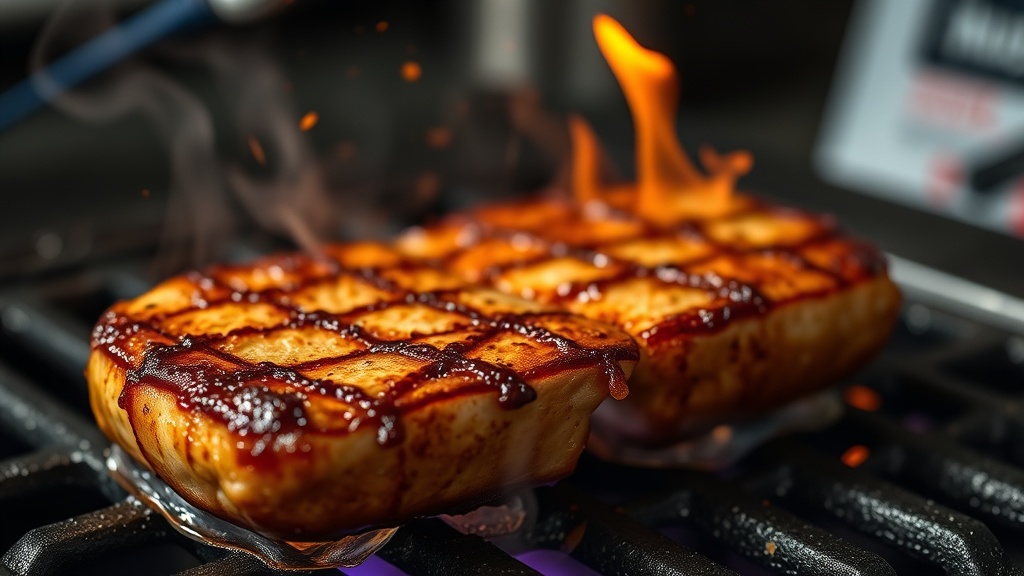
The Secret to Perfect Searing: The Science of the Maillard Reaction

Quick Tip
Always pat your proteins completely dry with a paper towel before they hit the pan to ensure a perfect crust.
In my years conducting ethnographic fieldwork, I learned that the most profound cultural stories are often told through texture and aroma. In the kitchen, that story begins with a single chemical phenomenon: the Maillard reaction. While many home cooks view a brown crust as a mere visual cue, it is actually a complex chemical transformation between amino acids and reducing sugars that creates the savory, umami-rich depth we crave.
The Chemistry of Flavor
The Maillard reaction is not caramelization. While caramelization involves the pyrolysis of sugar, the Maillard reaction requires proteins. When you apply high heat to a surface—be it a steak, a piece of firm tofu, or even the crust of a sourdough loaf—you are initiating a cascade of molecular rearrangements. This process produces hundreds of different flavor compounds, ranging from nutty and toasted to meaty and savory.
To master this, you must control three variables: moisture, temperature, and surface area.
1. Eliminate Surface Moisture
Water is the enemy of a good sear. If the surface of your protein is wet, the energy from your pan will be spent evaporating that moisture (latent heat of vaporization) rather than raising the temperature of the food. This results in steaming rather than searing. Always pat your ingredients bone-dry with paper towels before they hit the pan. This level of precision is just as vital as understanding the secret to perfectly flaky pie crust, where temperature control dictates the final texture.
2. Choose the Right Vessel
Thermal mass is your best friend. A thin, cheap pan will fluctuate in temperature the moment a cold piece of protein touches it, stalling the reaction. For consistent, high-heat searing, I recommend heavy-duty materials. If you are looking to upgrade your kitchen kit, I have shared a hands-on review of ceramic, cast iron, and stainless steel to help you choose a tool that holds heat effectively.
3. Don't Crowd the Pan
When you crowd a pan, you drop the ambient temperature and introduce excess steam. This creates a "gray" rather than "brown" exterior. Give your ingredients space to breathe so the heat can work its magic unimpeded.
"Cooking is not just following a recipe; it is managing a series of chemical reactions to coax flavor out of raw ingredients."
Whether you are prepping a hearty protein for a weekend dinner or experimenting with budget-friendly protein powerhouses like legumes, respect the heat. A perfect sear is the hallmark of a cook who understands both the soul and the science of the kitchen.