Umami Toolkit: 7 Fermented Ingredients to Boost Flavor in Any Dish

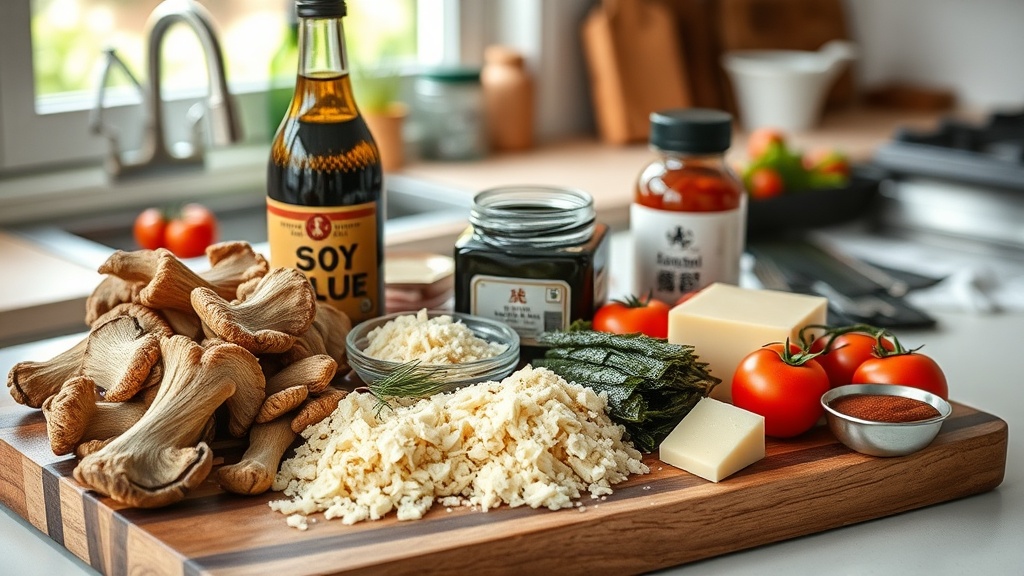
<featured-image src="https://images.realcontent.blog/globalflavors/migrated/fal/23bec0f624a324bd.jpg\" alt="Warm flat‑lay of umami‑rich ingredients: dried shiitake, soy sauce, fish sauce, Parmesan, tomatoes, seaweed, miso paste on a wooden board" />

Hook\nEver wonder why a spoonful of soy sauce can make a simple stir‑fry feel like a restaurant‑level masterpiece? The secret is umami – the savory fifth taste that turns ordinary dishes into something unforgettable.\n\nContext\nAs a former ethnographic researcher turned home‑cook, I’ve learned that the most powerful flavor boosters are often the most humble: fermented ingredients that have been honed over centuries. Below is my curated “Umami Toolkit” – seven fermented staples you can stock in a Queens‑size kitchen and deploy in minutes.\n\n## What is Umami, and Why Does It Matter?\nUmami (Japanese: 旨味) translates to “deliciousness.” It’s the taste of glutamates and nucleotides that signal protein richness to our taste buds. Science shows that adding umami not only deepens flavor but can also reduce the need for extra salt, a win for health‑conscious cooks. \n\n> "Umami compounds act as flavor amplifiers, allowing chefs to achieve richness with less sodium." — Dr. Yoshihiro Yamaguchi, University of Tokyo, Umami: The Fifth Taste\n\n## 1. Miso – The Fermented Bean Paste\nMiso comes in a hierarchy of color and flavor: white (shiro) for delicate soups, red (aka) for robust stews, and barley (mugi) for earthy depth. The Miso Hierarchy post dives into regional nuances. To use, dissolve a teaspoon in warm water and stir into sauces, marinades, or even a quick vinaigrette.\n\nPro tip: Add miso at the end of cooking to preserve its live cultures and bright umami punch.\n\n## 2. Soy Sauce – The Salty Umami Backbone\nAged soy sauce (koikuchi) provides both salt and glutamate. Pair it with a splash of Koji mold‑derived products for an extra enzymatic boost. Use it in stir‑fries, braises, or as a dipping sauce for dumplings.\n\nPro tip: For a lighter touch, dilute soy sauce with a dash of rice vinegar and a pinch of sugar to create a quick “soy‑sweet” glaze.\n\n## 3. Fish Sauce – Oceanic Depth in a Bottle\nOriginating from Southeast Asia, fish sauce is fermented anchovies that deliver glutamate and a briny complexity impossible to mimic. It shines in dressings, soups, and even butter sauces for seafood.\n\nPro tip: Start with half a teaspoon; a little goes a long way. Balance with citrus to prevent over‑salting.\n\n## 4. Fermented Chili Paste – Heat Meets Umami\nWhether it’s Korean gochujang, Mexican ancho‑chile paste, or North African harissa (see Gochujang vs. Sriracha vs. Harissa), fermented chili pastes add both spice and glutamate. They’re perfect for marinades, ramen broths, or a quick “spicy‑umami” mayo.\n\nPro tip: Blend a spoonful with mayo, lime juice, and a touch of honey for a versatile condiment.\n\n## 5. Fermented Soybean Products – Natto & Tempeh\nNatto’s sticky texture and tempeh’s nutty bite both bring powerful umami and probiotic benefits. Crumble tempeh into a stir‑fry or toss natto over a bowl of rice with a drizzle of soy sauce and scallions.\n\nPro tip: Lightly steam tempeh before sautéing to reduce bitterness.\n\n## 6. Fermented Dairy – Parmesan & Aged Cheeses\nHard cheeses like Parmesan are essentially fermented milk, packed with glutamate crystals that melt into a savory foam when grated. Sprinkle on pastas, soups, or even roasted vegetables.\n\nPro tip: Finish a dish with a thin veil of grated cheese just before serving to preserve the umami aroma.\n\n## 7. Fermented Vegetables – Kimchi & Sauerkraut\nBeyond the probiotic hype, kimchi and sauerkraut deliver lactic‑acid‑derived umami. Add a spoonful to stews, tacos, or as a topping for avocados.\n\nPro tip: Rinse kimchi briefly if you want to dial back its heat while keeping the umami backbone.\n\n## Takeaway: Build Your Umami Toolkit Today\nStock these seven fermented staples, experiment with combinations, and you’ll notice a richer, more satisfying flavor profile in everything from a simple scrambled egg to a complex braise. Remember: umami isn’t a garnish – it’s a scientific enhancer that respects the ingredient’s natural chemistry.\n\n---\n\n## Related Reading\n- The 135‑Enzyme Alchemist: What Koji Mold Is Actually Doing to Your Food – Deep dive into the enzymes behind miso and soy sauce.\n- Fermented Hot Sauce Guide: Techniques, Trends, and Storage Tips – Learn how to make your own umami‑laden heat.\n- The Maillard Reaction: Why Your Pan is More Important Than Your Passport – Complementary technique for building flavor.\n\n## FAQs\n<meta.faqs>\n[\n {"question": "What is the difference between miso and soy sauce?", "answer": "Miso is a fermented bean paste that adds depth and body, while soy sauce is a liquid seasoning providing salt and glutamate. Use miso for sauces and soups, soy sauce for seasoning and glazing."},\n {"question": "Can I substitute fish sauce with soy sauce?", "answer": "They share umami but fish sauce adds a marine brininess that soy sauce lacks. If you must substitute, add a splash of seaweed stock to mimic the ocean notes."},\n {"question": "How much fermented ingredient is too much?", "answer": "Start with a teaspoon for sauces and adjust to taste. Because these ingredients are salty and potent, it’s easier to add than to fix."}\n]\n</meta.faqs>