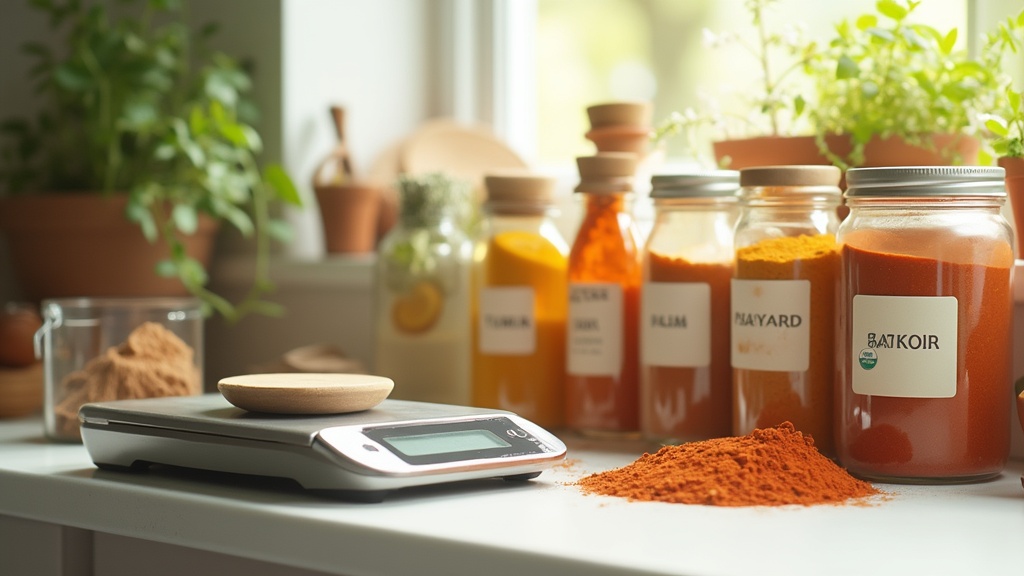
USDA Spice Labeling 2026: What Home Cooks Need to Know

Did you know that a new USDA rule could change the label on every spice jar in your cabinet? Starting in 2026, the “Product of USA” standard forces manufacturers to disclose the domestic origin of spices, turning a quiet ingredient into a headline act. If you’ve ever wondered whether that cumin truly comes from American soil, now you’ll finally get a clear answer.
Why is the USDA suddenly talking about spice labels?
In January 2026 the USDA rolled out a revised “Product of USA” rule that, for the first time, forces manufacturers to disclose the domestic origin of spices and flavorings on multi‑ingredient foods. If you’ve ever scanned a jar of cumin at H‑Mart and wondered if it’s truly American‑grown, you’ll now see a clear label indicating whether that spice meets the new standard.
What does the new rule actually say?
The final rule, detailed in Wiley Law’s summary, requires that all FSIS‑regulated products list the origin of each ingredient. For single‑ingredient items, the spice must be grown, harvested, and processed entirely in the United States to bear a “Product of USA” claim. For multi‑ingredient foods, the rule treats spices the same way: every spice component must be domestically sourced, or the product cannot claim U.S. origin.
How will this affect the everyday pantry?
Most of us buy spices from Asian supermarkets like H‑Mart or Patel Brothers, where the supply chain is global. Under the new rule, a jar of “American‑origin” paprika must be sourced from U.S. growers—something that currently accounts for less than 5% of the U.S. spice market (ReedSmith analysis). Expect to see:
- New “USDA Certified” stickers on spice jars that meet the criteria.
- Higher price points for domestic spices, reflecting limited supply.
- More transparent labeling—you’ll see the exact country of origin on the back of the label.
What should home cooks do right now?
- Check the back of every spice jar. Look for a USDA seal or a clear country‑of‑origin statement. If the label is vague, assume it’s imported.
- Prioritize bulk purchases from trusted U.S. suppliers. Companies like McCormick have begun labeling their domestic lines. See our guide on H‑Mart vs. Patel Brothers for a deep dive on sourcing.
- Adjust recipes if needed. Some regional dishes rely on specific spice profiles that are harder to find domestically. Consider building a budget global spice rack that mixes domestic staples with a few carefully chosen imports.
- Stay informed. The USDA will release quarterly updates on approved domestic spice producers. Sign up for the FSIS newsletter to get alerts.
Are there any loopholes or work‑arounds?
The rule applies only to FSIS‑regulated foods (meat, poultry, and certain processed items). Non‑FSIS products, like pure ground spices sold as “seasoning,” are still governed by 21 CFR 101.22, which allows broader labeling practices. However, many retailers are voluntarily extending the USDA seal to all spice products for consistency.
What’s the broader impact on the food industry?
Beyond consumer clarity, the rule pushes manufacturers to rethink supply chains. Companies are investing in U.S. spice farms in California and Texas, and some are partnering with local growers to create “American‑grown” blends. This shift could eventually reduce the carbon footprint of spice shipping—a win for sustainability.
How can you future‑proof your pantry?
Don’t let the label change catch you off guard. Start today by auditing your spice cabinet, swapping in domestic options where possible, and keeping an eye on the USDA’s quarterly reports. For a deeper look at how spice origins affect flavor chemistry, check out our Maillard Reaction guide. The pantry of tomorrow will be a blend of local precision and global flavor—just the way we like it.