Why Does My Bread Taste Bland and How Can I Fix It?

Ever wonder why that loaf you spent hours kneading feels more like a sponge than a gourmet sourdough? You followed the recipe, you checked the timer, and you even used high-quality flour—yet the result is a dense, tasteless block of dough. Bread-making isn't just about mixing flour and water; it's about managing a living environment. This guide covers the specific variables that kill flavor in home-baked bread, from yeast activity to salt ratios, so you can stop making bread that tastes like cardboard.
Is my yeast dead or just inactive?
One of the most common culprits for flavorless bread is under-active yeast. If your yeast is old or wasn't activated properly, it won't produce the carbon dioxide and organic acids that create that characteristic fermented tang. When yeast is sluggish, it doesn't just fail to make the bread rise; it fails to build the complex flavor profile that comes from a long fermentation process.
To ensure your yeast is working, you can perform a simple test. Mix your yeast with warm water (not hot!) and a tiny pinch of sugar. If it doesn't foam up within ten minutes, toss it. A more advanced way to build flavor is to use a sourdough starter or a long-fermentation method. A long, cold ferment in the fridge (often called cold proofing) allows enzymes to break down starches into sugars, creating a much deeper taste profile. You can learn more about the biological processes of fermentation through resources like the King Arthur Baking community guides.
Do I have the right salt ratio for my dough?
Salt does much more than just make things salty; it regulates yeast activity and strengthens gluten. If you're skimping on salt because you're worried about sodium, you're actually stripping the bread of its soul. Salt is a flavor enhancer—without it, even the best flour will taste flat. Most professional bakers aim for a salt content that is roughly 2% of the total flour weight.
If your bread tastes like nothing, check your measurements. Are you using a teaspoon rather than a weight-based scale? Volume measurements are notoriously unreliable in baking. A gram-based scale is your best friend here. Without that precise 2% ratio, your bread will lack the structural integrity and the savory depth required to stand on its own. It's a delicate balance—too much salt and the yeast dies; too little and the dough becomes a sticky, unflavored mess.
How does water quality affect the dough?
It sounds strange, but the water you use can change the outcome of your bake. If you're using heavily chlorinated tap water, the chemicals might actually be slowing down your yeast. Chlorine is designed to kill microbes, and while it won't kill your bread, it can certainly inhibit the development of flavor. If your water has a distinct scent, try using filtered water or letting a pitcher of tap water sit out overnight to allow the chlorine to dissipate.
| Water Type | Effect on Dough | Flavor Impact |
|---|---|---|
| Tap Water (High Chlorine) | Slows yeast activity | Delays fermentation; can taste "chemical" |
| Filtered Water | Stable fermentation | Clean, neutral profile |
| Spring Water | Rich mineral content | Can add subtle complexity |
Temperature also plays a massive role. If your water is too cold, the yeast sleeps. If it's too hot, you'll kill the yeast instantly. Aim for a temperature that feels like a lukewarm bath—around 95°F to 105°F (35°C to 40°C). This ensures the yeast is energetic and ready to work through the kneading process.
Why is my crust so soft and tasteless?
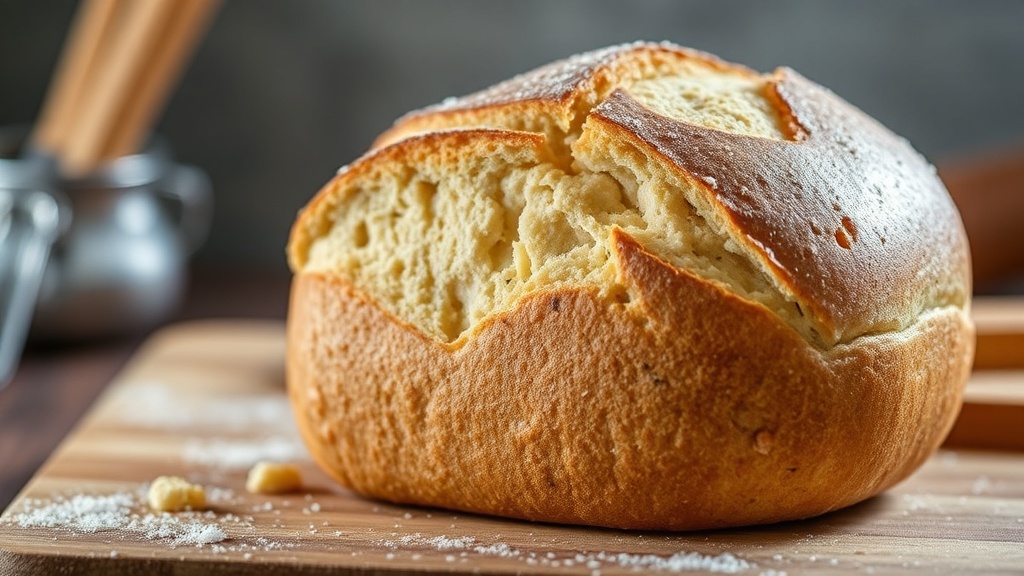
The crust is where a lot of the flavor lives. A pale, soft crust usually indicates that the bread didn't get enough heat or enough steam during the initial stages of baking. Steam helps the crust expand (oven spring) and creates a glassy, crispy texture that carries the toasted notes of the grain. Without steam, the moisture escapes too quickly, leaving you with a dull, leathery exterior.
To get that professional finish, try using a Dutch oven or a baking stone. A heavy-duty pot traps the steam released by the dough itself, creating the perfect environment for a crispy, flavorful crust. This is a common technique used in professional bakeries to ensure the bread has a distinct "crunch" that contrasts with the soft interior. For more advanced techniques on crust development, check out the Serious Eats archives.
Don't forget the role of Maillard reaction—the chemical reaction between amino acids and reducing sugars that gives browned food its distinctive flavor. If your dough doesn't have enough sugar or protein to facilitate this, it will never reach that deep, golden-brown perfection. This is why high-protein bread flour is so much better for structure and flavor than all-purpose flour. The protein content provides the nitrogen needed for that beautiful browning.
Finally, watch your timing. If you pull the bread out of the oven too early, the center might still be gummy and undercooked. A properly baked loaf should sound hollow when tapped on the bottom. If it sounds dull or thuddy, it's likely still too moist inside, which leads to a heavy, tasteless texture once it cools. Patience is the most important ingredient in any kitchen.