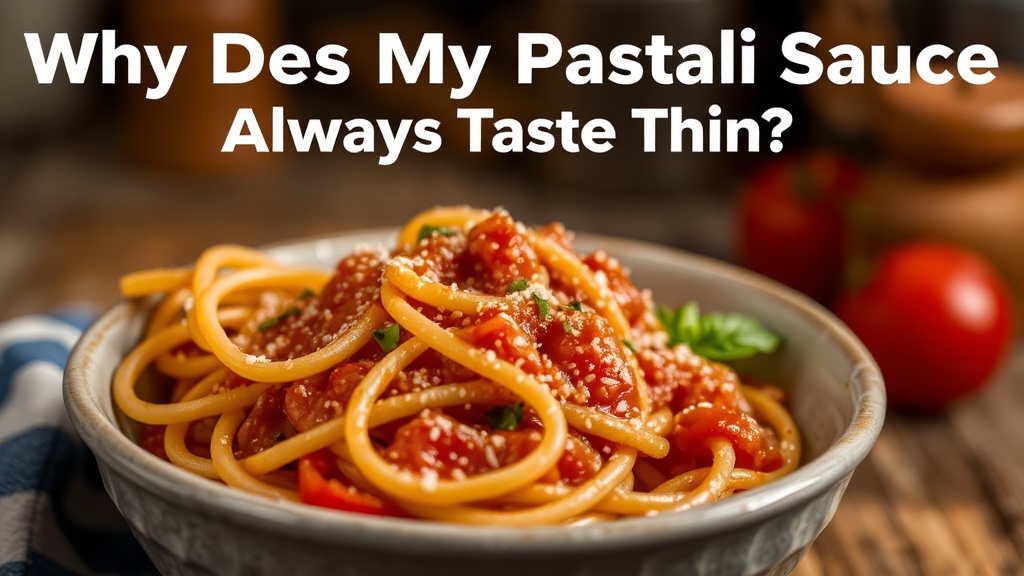
Why Does My Pasta Sauce Always Taste Thin?

Why does my pasta sauce feel watery or thin?
Have you ever spent an hour simmering a tomato sauce, only to find that it lacks the weight and body you expected? It's a common frustration in home kitchens. A sauce that feels thin—sometimes even watery—often stems from a failure to manage moisture or a lack of structural ingredients. This post covers the mechanics of sauce density, the role of starch, and how to fix a runny sauce before it ruins your meal.
When we talk about a "good" sauce, we aren't just talking about flavor; we're talking about how it clings to the pasta. If your sauce slides off the noodles and pools at the bottom of the bowl, you have a texture problem. This usually happens because the water content hasn't been properly reduced or the fats and solids aren't in the right ratio. It isn't just about time; it's about the chemistry of the ingredients you're using.
One of the biggest culprits is the moisture found in fresh vegetables. If you're using fresh tomatoes or bell peppers, they release a significant amount of liquid as they cook. If you don't cook that liquid off through evaporation, your sauce will remain thin. This is where heat management becomes your best friend. You need to simmer the sauce at a low, consistent temperature—not a violent boil—to allow the water to escape without breaking down the flavors too aggressively.
Can I fix a watery pasta sauce during cooking?
If you taste your sauce and realize it's too runny, don't panic. You have several options depending on how much time you have left. The most traditional method is to simply keep simmering. A slow reduction is the most natural way to thicken a sauce because it concentrates the flavors while removing water. However, if you're in a rush, you might be tempted to reach for a thickener. While I'm not a fan of heavy starches, a little bit of technique goes a long way.
One trick is to use the pasta water itself. This isn't just a way to prevent sticking; it's a way to create an emulsion. The starch that leaches out of the pasta during boiling is a natural thickener. When you toss the pasta with the sauce and a splash of that cloudy, starchy water, the sauce begins to bind to the noodles. This creates a much more cohesive texture than just pouring sauce over plain pasta. You can learn more about the science of starch and emulsions at The Exploratorium to see how these physical changes occur.
Another method involves adding a fat source. A knob of cold butter or a splash of heavy cream (if the recipe allows) can add immediate weight to a sauce. The fat molecules act as a bridge between the water and the solids, creating a thicker mouthfeel. It's a technique often used in high-end Italian cooking to finish a dish. Just be careful—too much fat can make a sauce feel greasy rather than creamy.
What ingredients make a sauce thicker?
If you want to prevent a thin sauce from the start, look at your ingredient list. Certain components naturally provide more structure. For example, tomato paste is a powerhouse in this regard. It's essentially concentrated tomato juice and solids, providing both color and thickness. If you're making a marinara, starting with a base of tomato paste can give you a head start on a heavy texture.
Root vegetables also play a huge role. If you're making a vegetable-based sauce, incorporating finely minced carrots or onions provides more pulp, which naturally thickens the liquid. You might even consider blending a portion of the cooked vegetables back into the sauce. This creates a velvety texture that feels much more substantial on the palate. For those interested in the nutritional density of these ingredients, The Food and Agriculture Organization offers great resources on crop varieties and their uses.
Let's look at a quick comparison of how different ingredients affect sauce density:
| Ingredient | Effect on Texture | Best Use Case |
|---|---|---|
| Tomato Paste | High thickening/High color | Base for marinara or ragu |
| Pasta Water | Moderate/Emulsifying | Finishing the dish in the pan |
| Heavy Cream | High/Creamy | Finishing creamy or pink sauces |
| Fresh Garlic | Low/Flavor focus | Aromatic base |
Finally, don't overlook the role of seasonings. Sometimes, a sauce feels "thin" because it lacks depth of flavor. If a sauce lacks salt or acidity, it can feel one-dimensional and watery. A squeeze of lemon juice or a splash of high-quality vinegar at the very end can brighten the flavors, making the sauce feel more vibrant and "present" on the tongue. This isn't just about thickness; it's about the perceived weight of the flavor profile.
When you're in the kitchen, remember that cooking is a series of adjustments. If the sauce is too thin, reduce it. If it's too thick, add a little liquid. If it's too bland, add acid or salt. It's a balancing act that requires patience and a keen sense of taste. Never settle for a runny sauce when you can have a rich, clinging masterpiece instead.