Why Your Dried Herbs Lose Flavor and How to Fix It

Why does my dried herb jar taste like nothing?
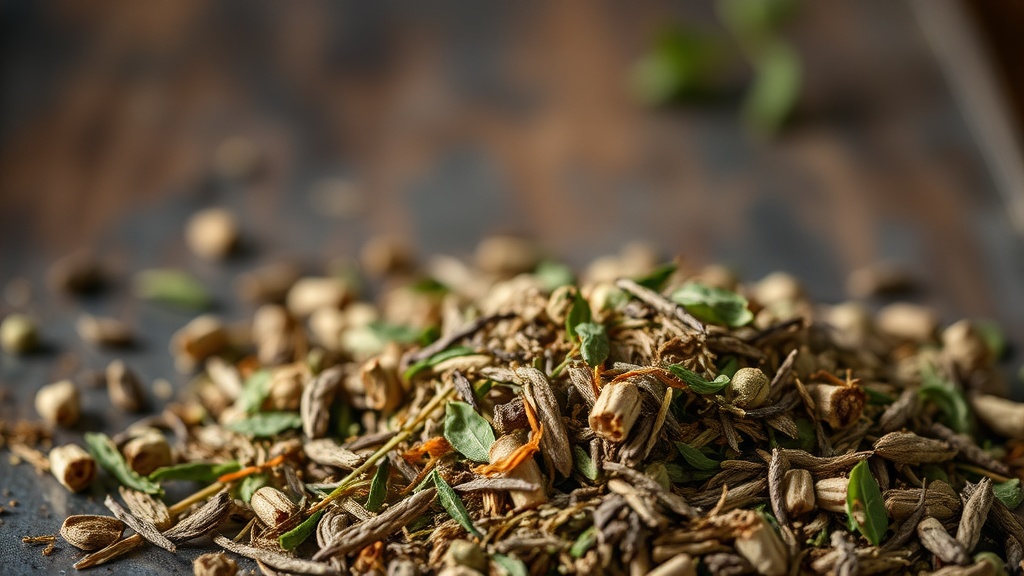
Have you ever pulled a jar of dried oregano or thyme from the back of your pantry, sprinkled it into a simmering sauce, and realized it contributed absolutely zero flavor to the dish? This isn't just a bad batch of herbs; it's a biological reality of how dried plants behave. When herbs dry out, they undergo a chemical transition where the volatile oils—the tiny molecules responsible for that distinct scent and taste—begin to evaporate or degrade. If you aren't storing them correctly or if they've sat on your shelf for too long, you're essentially seasoning your food with dried grass and dust. This post explores why this happens, how to identify stale herbs, and how to keep your pantry staples tasting vibrant.
The problem usually stems from three main enemies: light, heat, and air. When you leave your spice rack right next to the stove, the heat from your oven is constantly baking the oils out of the leaves. Similarly, if you store your herbs in clear glass jars on a sunny countertop, the UV rays are actively breaking down the organic compounds. Most people think a spice is "expired" because it's unsafe to eat, but in the case of dried herbs, the safety issue is actually a flavor issue. They won't make you sick, but they won't make your food taste like anything either.
Is it okay to use old dried herbs?
Technically, yes. Unlike meat or dairy, dried herbs don't typically "go bad" in a way that causes food poisoning. However, once the aromatic oils have vanished, the herb is a ghost of itself. To test your herbs, use the scent test. Rub a pinch of the herb between your fingers; the warmth of your skin should release the aroma. If you don't smell a distinct scent immediately, the herb has lost its potency. You might want to check out the FDA guidelines on food-borne illnesses to understand the difference between shelf-stable spices and perishable items, but for dried herbs, the concern is almost always about the loss of quality rather than safety.
When you're cooking, you can often compensate for weak herbs by increasing the quantity, but there's a limit. If you add too much, you end up with a gritty, sandy texture in your dish. Instead of just adding more, try a different method of way to bring flavor back to the forefront. Sometimes, blooming the spices in fat—like oil or butter—can help wake up the remaining oils. This is a common practice in many professional kitchens to ensure the flavor is distributed evenly throughout the dish.
How can I store spices to keep them fresh?
If you want to stop wasting money on spices that don't work, you need to change your storage habits. The best place for your herbs is a cool, dark, and dry cupboard—not a countertop. Avoid the "spice rack near the stove" trap. Even if it looks convenient, the rising heat from your cooking is a death sentence for your dried basil or rosemary. Store them in airtight containers, preferably amber glass or opaque tins, to block out light. If you use clear glass jars, keep them inside a closed cabinet away from direct sunlight.
Another tip is to buy smaller quantities more frequently. It is tempting to buy the giant economy-sized jar of cumin or oregano to save money, but the sheer volume of air inside that large jar will accelerate the degradation process. A smaller jar means you'll finish it before the oils have a chance to evaporate completely. If you find yourself using a specific herb every day, buy it in bulk, but keep a small, fresh-looking supply in your active pantry and a larger, sealed stock in a much cooler area, like a pantry in a different room.
What are the best ways to add herb flavor to cooking?
To get the most out of what you have, timing is everything. If you're using dried herbs in a long-simmering stew, add them early. The liquid and heat will help rehydrate the leaves and pull out the remaining oils. If you're using them for a quick sauté or a garnish, wait until the very end. This ensures the delicate notes don't get completely cooked away by the high heat. For more technical advice on flavor profiles, the Serious Eats database offers excellent deep dives into how heat affects different ingredients.
Consider the texture as well. Dried herbs can sometimes feel a bit "leafy" or "papery" in a dish if they aren't fully integrated. Grinding your dried herbs with a mortar and pestle or a spice grinder just before using them can act as a temporary fix. This mechanical action breaks the cell walls of the dried leaves, releasing the trapped oils and providing a more uniform distribution of flavor. It's a simple way to make even an older jar of thyme feel much more potent.
| Storage Enemy | Effect on Herbs | Prevention Method |
|---|---|---|
| Heat | Evaporates essential oils | Store in cool pantries, not near stoves |
| Light | Breaks down organic compounds | Use dark glass or opaque containers |
| Air | Oxidizes the flavor | Ensure airtight seals on all jars |
| Moisture | Causes clumping and mold | Keep away from steam and humid areas |
Ultimately, treating your dried herbs with a bit more respect will change the way your home cooking tastes. It isn't just about the recipe; it's about the integrity of your ingredients. When your herbs are fresh and potent, you don't need to rely on heavy salt or fat to make a dish interesting. The herbs do the heavy lifting, providing that subtle, earthy, or bright finish that makes a meal feel complete. Keep them dark, keep them cool, and keep them sealed, and your pantry will be a much more useful tool in your kitchen.