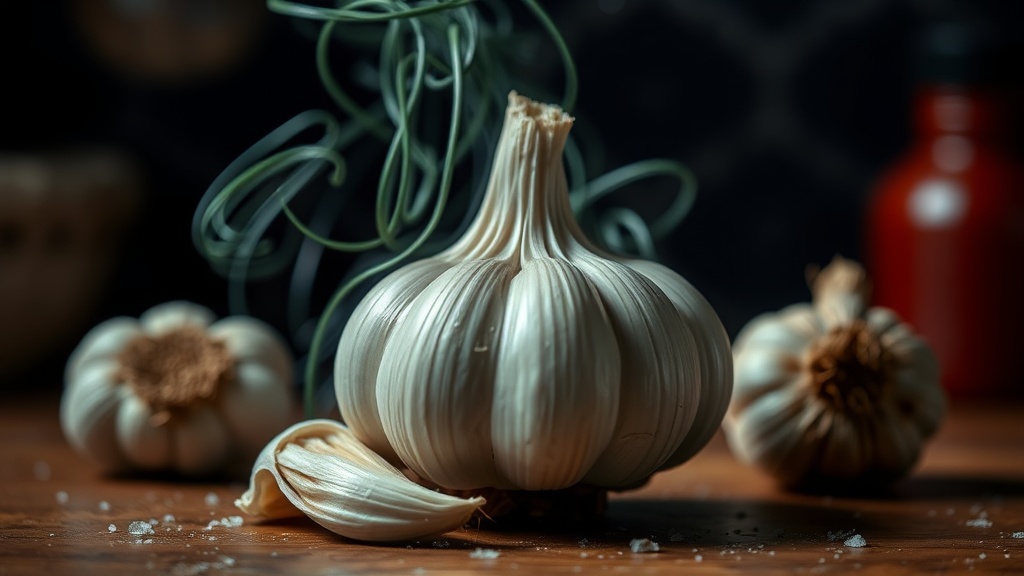
Why Your Garlic Smells Like a Kitchen Nightmare

Quick Tip
Use stainless steel or rinse your hands with lemon juice to neutralize garlic odors instantly.
The Bitter Reality of Burnt Garlic
A dinner party guest reaches for a spoonful of pasta, only to recoil from a sharp, acrid bitterness that lingers on the tongue. The garlic in the sauce wasn't just cooked; it was scorched. This common mistake ruins the delicate balance of a dish, turning a fragrant base into a bitter mess. Understanding how to handle garlic properly is essential for anyone looking to improve their fundamental cooking techniques.
The primary reason garlic smells and tastes like a "kitchen nightmare" is excessive heat. Garlic contains sugars and sulfur compounds that burn much faster than onions or shallots. When these compounds reach a high temperature, they undergo a chemical change that produces a pungent, unpleasant aroma and a harsh, bitter flavor profile. If you drop minced garlic into a smoking-hot pan of oil, you have already lost the battle.
Preventing the Burn
To ensure your garlic provides depth without the bitterness, follow these specific technical adjustments:
- Control the Temperature: Always add garlic to the pan once your fat (olive oil, butter, or ghee) has reached a medium heat. If you see wisps of smoke rising from the oil, the pan is too hot.
- Timing is Everything: Garlic should be added toward the end of your aromatic sautéing process. If you are sautéing onions, cook the onions for 5 to 7 minutes first, then add the garlic for only the final 30 to 60 seconds before adding your liquids or proteins.
- Mind the Cut: The smaller the mince, the faster it burns. If you are making a slow-simmered sauce, consider using smashed cloves rather than a fine mince. Smashed cloves release flavor more slowly and are much more resilient to heat.
Storage and Freshness
The smell of garlic can also become unpleasant if the cloves are aging poorly. If your garlic feels soft or shows signs of discoloration, the sulfurous compounds are breaking down, leading to a stale, musty odor. Always store whole heads of garlic in a cool, dry, well-ventilated area—never in plastic bags, which trap moisture and encourage mold.
If you find that your aromatics are not performing as expected, it might be due to how you treat your other fresh ingredients. For instance, if you struggle with maintaining the quality of your kitchen staples, check out our guide on why your fresh herbs are wilting so fast to ensure your entire flavor profile remains vibrant.
"Garlic is a high-risk ingredient. It requires patience and temperature control to transition from a pungent bulb to a sweet, savory foundation."