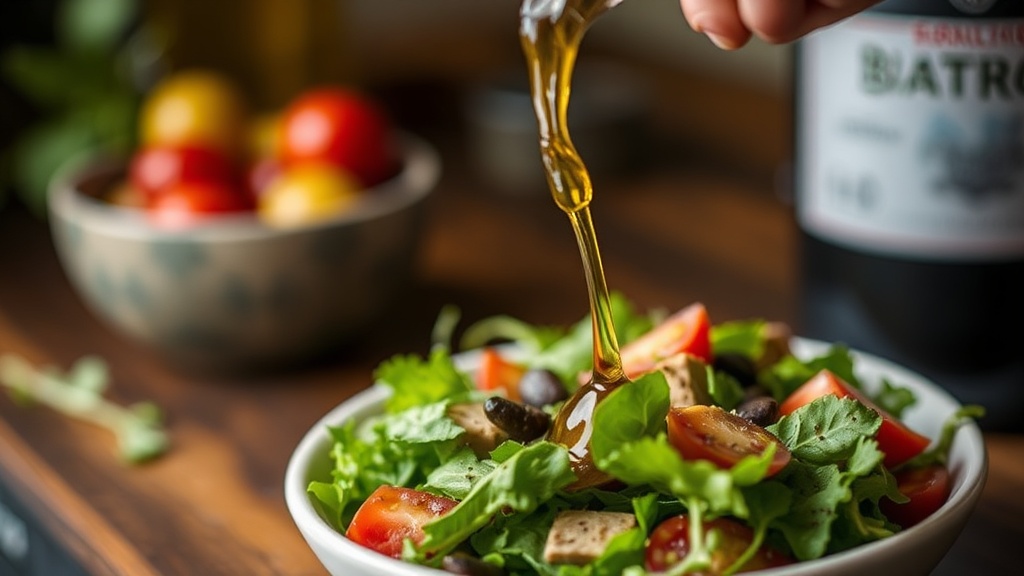
Why Your High-End Olive Oil Might Be Skunking Your Salad

The Myth of the Infinite Shelf Life
Most people assume that if they buy a premium, cold-pressed extra virgin olive oil, it will stay fresh indefinitely. That's a mistake. Many home cooks treat olive oil like a pantry staple that stays stable for years, but the reality is much more volatile. Olive oil is actually a fresh fruit juice—essentially, it's the juice of an olive—and it's highly sensitive to light, heat, and oxygen. If you've noticed a bitter, metallic, or even rancid taste in your expensive bottle, it isn't necessarily a bad batch from the producer; it's likely a result of how you've stored it.
Understanding the chemical breakdown of fats is what separates a cook who follows a recipe from a cook who understands flavor. When oil oxidizes, its chemical structure changes, leading to a loss of those vibrant, peppery notes we associate with high-quality oil. You aren't just losing flavor; you're losing the very characteristics that justify the higher price tag. If you're using oil that's gone stale, you're effectively masking your ingredients with a flat, greasy coating rather than brightening them.
Does Olive Oil Go Bad Fast?
The short answer is yes, but it depends on the type of oil and your storage habits. Extra virgin olive oil (EVOO) is much more delicate than refined oils like canola or grapeseed. Because EVOO retains its natural antioxidants and polyphenols, it's also more susceptible to degradation. While a highly refined oil might sit in a pantry for two years without much change, a high-quality EVOO can start to turn in as little as three to six months once opened.
To keep an eye on your stock, look for these specific signs of degradation:
- A Rancid Smell: If it smells like old crayons, wet cardboard, or even paint thinner, it's gone.
- Loss of Peppery Bite: High-quality oils often have a slight sting in the throat. If that's missing, the oil is likely dead.
- Increased Greasiness: When the oil loses its complexity, it feels heavier and more cloying on the palate.
For a deeper dive into the chemical properties of lipids, the ScienceDirect database offers extensive data on lipid oxidation. If your oil tastes "off," it's better to toss it than to try and fix it with salt or acid.
Why Should I Store My Oil in the Dark?
Light is the enemy of flavor. This is why you see premium oils sold in dark green or opaque glass bottles rather than clear glass. Ultraviolet light triggers a process called photo-oxidation, which breaks down the chlorophyll and other organic compounds in the oil. If you're keeping your olive oil in a clear bottle on a sunny kitchen counter, you're essentially cooking the oil with light every single day.
Heat is just as dangerous. Most people keep their oil right next to the stove for convenience—a mistake that ruins the oil's stability. The heat from a pan or the ambient temperature of an oven will accelerate the oxidation process. To keep your oil stable, keep it in a cool, dark pantry or a cupboard far away from your cooking surfaces. A temperature-controlled environment is the best way to protect your investment.
How Can I Tell if My Oil is High Quality?
The market is flooded with "extra virgin" labels that don't meet the actual standards. To find the real deal, you have to look past the marketing. A high-quality oil should have a clear harvest date on the bottle. If it only lists a "best by" date, it's a red flag. You want to see when the olives were actually picked. Another trick is to look for the presence of polyphenols. You can find more information on the regulatory standards for olive oil through the International Olive Council.
When testing your oil at home, try the "sip test." Instead of drizzling it over food, take a small sip of the oil straight from a spoon. It should feel clean, perhaps even a bit spicy or bitter in a way that feels refreshing. If it feels heavy, thick, or leaves a coating of film in your mouth, it's likely a lower-grade oil or one that has begun to oxidize. This simple test helps you decide if the oil is worth using for a finishing touch or if it should be relegated to a basic sautéing role.
A Quick Reference for Oil Stability
<| Oil Type | Primary Flavor Profile | Stability Level |
|---|---|---|
| Extra Virgin Olive Oil | Grassy, Peppery, Fruit | Low (Sensitive) |
| Refined Olive Oil | Neutral, Mild | Medium |
| Avocado Oil | Nutty, Smooth | Medium-High |
| Grapeseed Oil | Neutral, Light | High |
Don't let a bad bottle of oil ruin a great meal. By paying attention to the bottle shape, the harvest date, and your storage location, you can ensure that your pantry stays a place of high-quality ingredients rather than a graveyard of rancid fats.