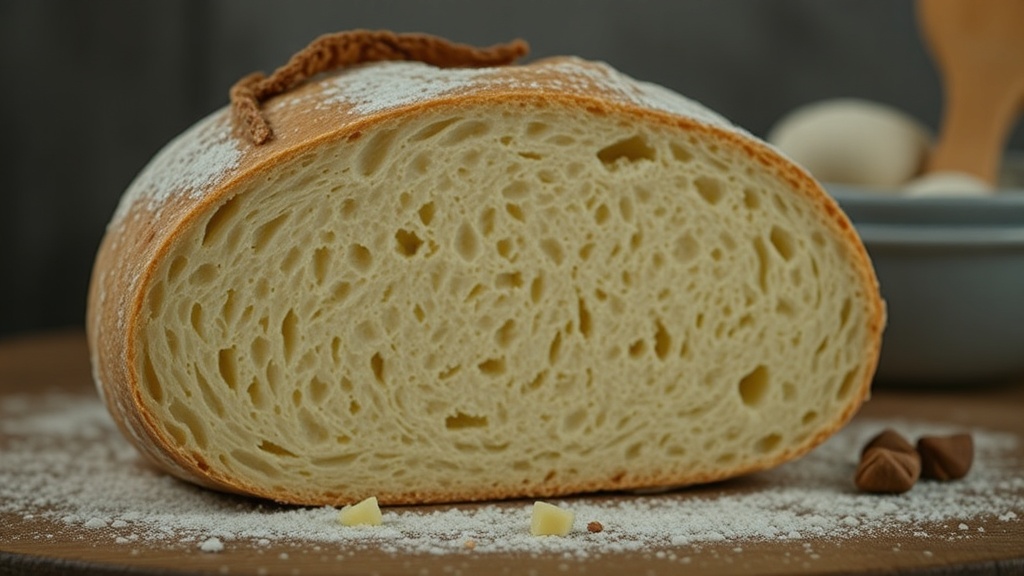
Why Your Homemade Sourdough Lacks Flavor

The Truth About Sourdough Flavor
Most home bakers believe that a long fermentation time is the only way to develop deep flavor in sourdough bread. They assume that if the dough sits in the fridge for three days, it will inevitably taste like a professional bakery loaf. This isn't true. You can spend days fermenting a dough and still end up with a bland, acidic, or even slightly sweet loaf that lacks character. The issue isn't just time; it's the management of specific bacteria and the quality of your inputs. Understanding the balance between lactic acid bacteria and wild yeast is what separates a loaf that tastes good from one that tastes legendary.
In this guide, we'll look at why your bread might be falling flat and how you can manipulate your process to get more complex, nutty, and tangy notes. We're looking at hydration, temperature, and the often-overlooked role of grain quality.
What Makes Sourdough Taste Sour?
When people talk about "sourness," they're often describing one of two things: lactic acid or acetic acid. Lactic acid provides a mild, creamy, yogurt-like tang. Acetic acid provides a sharper, more vinegary punch. If your bread tastes too harsh, you've likely leaned too hard into acetic acid production. If it's too bland, you haven't allowed enough time for these acids to develop.
The ratio of these acids depends heavily on the environment you create for your starter. For instance, a warmer environment tends to favor lactic acid, while a cooler, more oxygen-rich environment can drive up acetic acid production. This is why some bakers use a liquid starter (higher hydration) for a milder flavor and a stiff starter (lower hydration) for a sharper bite. It's a subtle science, but it changes the entire profile of your crust and crumb.
To understand the chemistry better, you might want to look into the