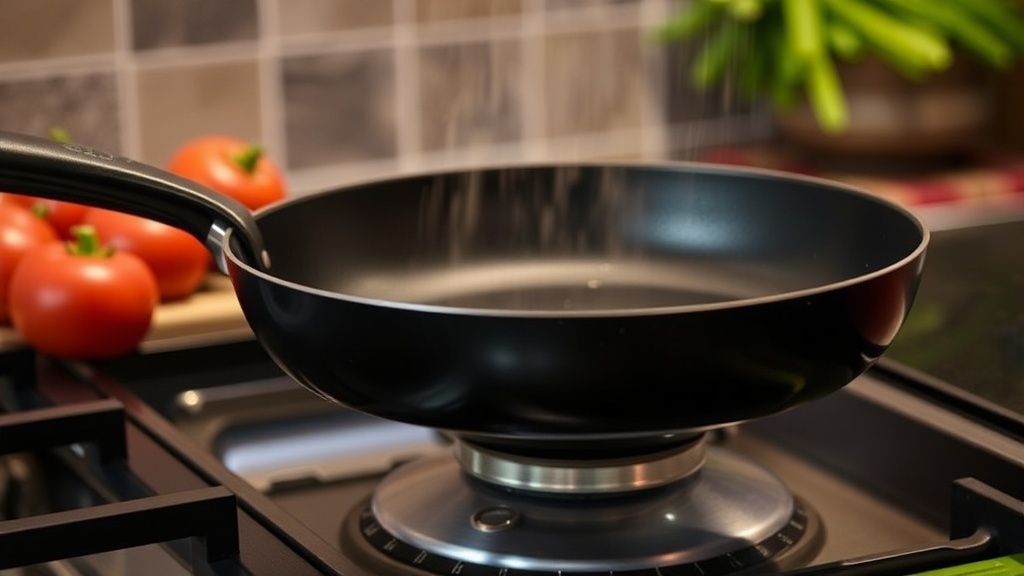
Why Your Nonstick Pan is Losing Its Grip

This guide explains exactly why your nonstick pans are losing their nonstick properties, the specific habits that cause coating failure, and the practical steps you can take to extend the life of your cookware. Understanding the chemistry of PTFE (Polytetrafluoroethylene) and how heat affects it will help you prevent food from sticking and save money on frequent replacements.
The Science of Nonstick Coatings
Most modern nonstick pans utilize a coating of PTFE, commonly known by the brand name Teflon. This material is highly effective because it has one of the lowest coefficients of friction of any solid material. However, the durability of this coating is not infinite. The surface works by creating a microscopic barrier that prevents food proteins and sugars from bonding to the metal substrate underneath. When this barrier is compromised—either through physical abrasion or chemical degradation—food begins to adhere to the pan.
There are two primary ways a pan loses its grip: physical damage and thermal degradation. Physical damage involves scratching the surface, while thermal degradation involves the actual breakdown of the polymer chains due to excessive heat. Both issues result in the same frustrating outcome: an omelet that tears apart or a piece of salmon that sticks stubbornly to the bottom of the pan.
Common Causes of Coating Failure
1. Excessive Heat and Thermal Degradation
The most frequent mistake home cooks make is using nonstick pans on high heat. Nonstick coatings are designed for low to medium-heat cooking. When a pan exceeds a certain temperature—typically around 500°F (260°C) for standard PTFE coatings—the chemical bonds in the coating begin to break down. This is often referred to as "polymer degradation."
If you are trying to sear a steak or brown a piece of meat, a nonstick pan is the wrong tool. High-heat searing requires a cast iron skillet or a stainless steel pan. Using a nonstick pan for high-heat tasks not only ruins the coating but can also release fumes that are harmful if inhaled in poorly ventilated kitchens. If you notice a yellowish or brownish discoloration on the surface of your pan, you have likely overheated it beyond its safe operating temperature.
2. Aerosol Cooking Sprays
Many cooks reach for cans of aerosol cooking sprays like Wesson or Pam to prevent sticking. While convenient, these sprays are often the silent killers of nonstick pans. Most aerosol sprays contain lecithin, an emulsifier designed to help the oil adhere to surfaces. This lecithin leaves behind a microscopic, gummy residue that is incredibly difficult to remove with standard dish soap.
As this residue builds up, it creates a "polymerized" layer of burnt oil and lecithin that fills in the microscopic valleys of the nonstick surface. This makes the pan feel sticky even when it is clean. Instead of using aerosol sprays, use a high-smoke-point liquid oil like avocado oil or grapeseed oil applied directly from a bottle. This prevents the buildup of the gummy residue that ruins the pan's performance.
3. Metal Utensils and Physical Abrasion
The physical integrity of the coating is fragile. Using metal spatulas, whisks, or even wooden spoons with rough edges can create micro-scratches in the PTFE layer. Once a scratch occurs, food particles and oils can settle into the groove, making it nearly impossible to clean and accelerating the degradation of the surrounding coating. Even if you think you are being gentle, a single slip with a stainless steel spatula can create a permanent "scar" on the pan.
How to Maintain and Clean Your Cookware
The Proper Washing Routine
Hand washing is non-negotiable for nonstick cookware. Even if a pan is labeled "dishwasher safe," the high heat and harsh detergents used in dishwasher cycles can strip the coating over time. Dishwasher detergents are often highly alkaline, which can react with the coating and accelerate its breakdown.
When cleaning your pan, use a soft sponge or a non-abrasive nylon pad. Avoid steel wool or the green scouring side of a standard sponge, as these are too abrasive for the delicate surface. If you have stubborn, burnt-on food, do not scrape it with a knife. Instead, use the following method:
- The Baking Soda Method: Create a paste of baking soda and a small amount of water. Apply it to the stained area and let it sit for 15 minutes. Gently scrub with a soft cloth.
- The Simmer Method: Fill the pan with water and a tablespoon of baking soda. Bring the water to a gentle simmer for 10 minutes. This helps lift the carbonized food without mechanical scrubbing.
Re-Seasoning (The Myth vs. Reality)
Unlike cast iron, you cannot truly "re-season" a nonstick pan. Cast iron relies on a layer of polymerized oil that is part of the metal's seasoning process. In a PTFE pan, the coating is a factory-applied layer that is not designed to be rebuilt. However, you can perform a "maintenance oiling" to help the surface. After washing and drying the pan thoroughly, apply a tiny drop of neutral oil and buff it into the surface with a paper towel. This won't fix a scratched pan, but it can help maintain the surface tension for low-heat cooking.
When to Replace Your Pan
Knowing when a pan is truly broken versus just dirty is essential for food safety and cooking efficiency. You should replace your nonstick pan immediately if you notice any of the following:
- Visible Flaking: If you see small black or grey flakes in your food, the coating is physically peeling. This is a safety hazard, as you may be consuming bits of PTFE.
- Permanent Discoloration: If the pan has turned dark or brown in areas where you haven't spilled anything, the coating has undergone thermal degradation.
- Consistent Sticking: If you have cleaned the pan thoroughly using the baking soda method and food still sticks even when using oil, the coating's structure has failed.
A high-quality nonstick pan should last between 2 to 5 years with proper care. If yours is failing in less than a year, you are likely using heat levels that are too high or using aerosol sprays too frequently.
Summary Checklist for Longevity
To ensure your next set of cookware lasts as long as possible, follow these rules:
- Use low to medium heat only. No searing or deep frying.
- Avoid aerosol sprays. Use liquid oils instead.
- Use silicone or wooden utensils. Never use metal.
- Hand wash only. Avoid the dishwasher and harsh abrasives.
- Dry completely before storing. Moisture trapped between stacked pans can cause issues.
By adjusting these small habits, you can maintain the performance of your kitchen tools and ensure your cooking process remains smooth and efficient.