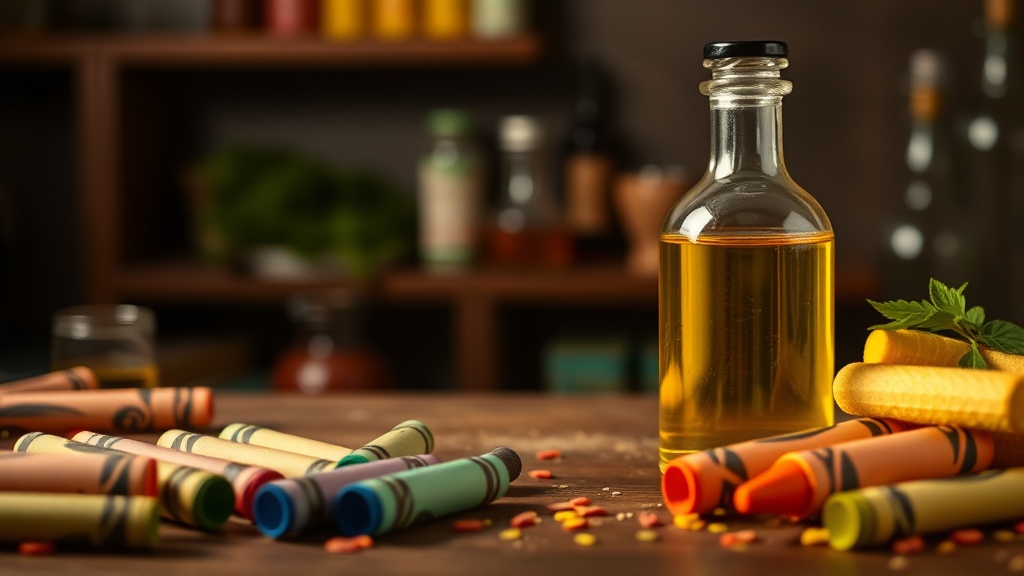
Why Your Olive Oil Tastes Like Crayons

Quick Tip
Store olive oil in a cool, dark place away from heat and light to prevent oxidation.
Why Your Olive Oil Tastes Like Crayons
Have you ever drizzled what you thought was high-quality extra virgin olive oil (EVOO) over a salad, only to be met with a dull, waxy, or even "crayon-like" flavor? That unpleasant taste is a definitive sign of oxidation and rancidity. This post explains why your oil is losing its vibrant profile and how you can identify a bad bottle before it ruins your meal.
The Science of Rancidity
Olive oil is a chemically sensitive fat. When it is exposed to three specific elements—light, heat, and oxygen—the fatty acids break down. This chemical degradation results in the loss of those bright, peppery, or grassy notes you expect, replacing them with a flat, stale taste reminiscent of old wax or even wet cardboard. If your oil lacks a certain "bite" or a fresh aroma, it has likely oxidized.
To prevent this, look for these specific indicators when shopping:
- Dark Glass or Tins: UV light is an enemy of oil. Avoid buying olive oil in clear glass bottles, even if they look beautiful on a shelf. Brands like Bertolli or Cobram Estate often use dark green glass or tin containers to protect the liquid.
- Harvest Dates: A "Best By" date is helpful, but a harvest date is better. You want oil that was pressed recently. If the oil has been sitting in a warehouse for two years, it is already on its way to tasting like crayons.
- The Seal: Ensure the seal is intact. Once air enters the bottle, the clock starts ticking on oxidation.
Proper Storage Techniques
Where you keep your oil is just as important as what you buy. Many home cooks make the mistake of keeping their olive oil right next to the stove for "convenience." This is a mistake. The constant heat from a stovetop or oven accelerates the breakdown of the oil's polyphenols.
Instead, store your oil in a cool, dark pantry or a cupboard away from the heat source. If you find that your pantry staples are aging too quickly, you might also want to check if your spices are expired, as both are highly sensitive to environmental degradation.
The Taste Test
To truly test your oil, do not just taste it on bread. Pour a small amount into a glass, cover it with your hand to trap the aroma, and swirl it. When you sip it, look for two things:
- Fruitiness: A fresh scent of tomato leaf, green apple, or herbs.
- Pungency: A slight sting or peppery sensation in the back of your throat. This is caused by healthy polyphenols.
If you experience a greasy, heavy, or waxy sensation instead, discard the bottle. High-quality oil should feel clean and vibrant, not heavy and dull.