Why Your Saffron Tastes Like Medicine

Most home cooks assume that a medicinal, metallic, or overly bitter taste in their saffron is a sign of a high-quality, potent spice. In reality, that flavor profile is a definitive indicator of low-grade, adulterated, or poorly stored saffron. If your paella, risotto, or Persian rice tastes like a bottle of cough syrup rather than a delicate, floral, and honeyed masterpiece, you are likely dealing with one of three issues: poor sourcing, improper extraction techniques, or excessive usage. This post explains exactly how to identify real saffron, how to avoid common counterfeits, and how to use the correct extraction methods to ensure your expensive spice delivers its intended flavor profile.
The Problem with Saffron Quality and Adulteration
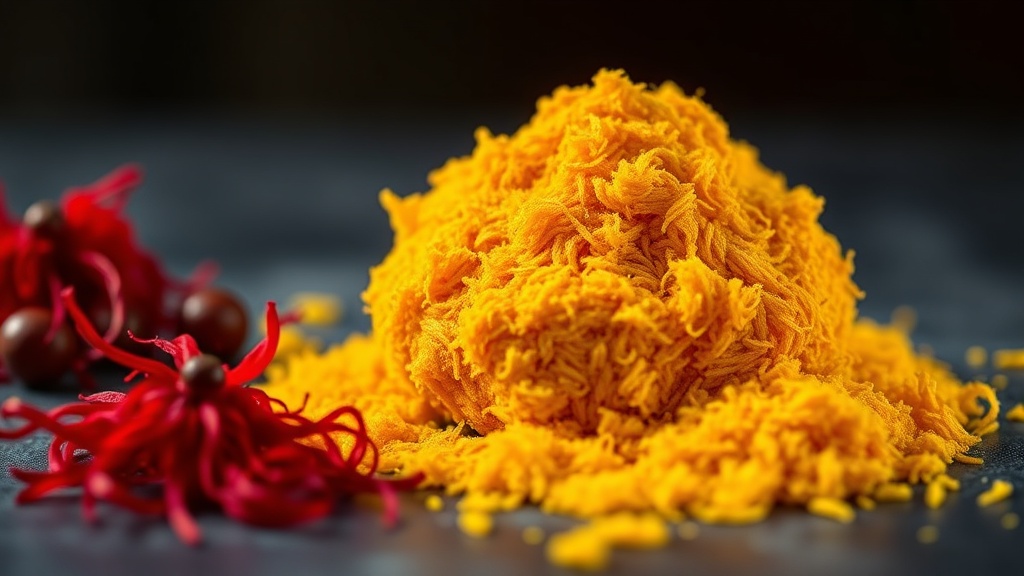
Saffron is the most expensive spice in the world because it requires the manual labor of harvesting the stigmas from the Crocus sativus flower. Because the profit margins are so high, the market is flooded with "fake" or diluted saffron. When you buy a jar of saffron that is bright, neon orange or contains many yellow threads, you are not buying high-quality spice. Pure saffron consists of deep red or dark crimson stigmas. The yellow parts are actually the style (the stem of the flower), which contains no flavor or color and is often used as "filler" to increase weight.
If your saffron tastes like medicine, it is often because you have purchased "saffron" that is actually dyed corn silk, safflower, or even synthetic threads. These fillers do not possess the complex aromatic compounds of true saffron, such as safranal and crocin. Instead, they often carry a chemical or metallic aftertaste. To ensure you are getting the real thing, look for these specific markers during your purchase:
- Color: The threads should be deep red or burgundy. If they are bright orange or yellow, they are low-grade or fake.
- Texture: Real saffron threads are brittle and should snap easily when bent. If they are flexible or rubbery, they have likely been treated with dyes or moisture.
- Aroma: High-quality saffron should smell earthy, hay-like, and slightly honeyed. If it smells like chemicals or has no scent at all, discard it.
- The Water Test: Drop a few threads into a small glass of warm water. Real saffron will slowly turn the water a golden-yellow hue while the thread itself remains red. If the water turns deep red or orange instantly, the threads have been artificially dyed.
Identifying Common Counterfeits
One of the most common ways producers cheat the system is by using food coloring to make low-grade safflower or dyed corn silk look like premium Persian saffron. This is why your dish might look beautiful and bright yellow, but taste bitter and medicinal. Just as expensive balsamic vinegar can taste like syrup if it is highly processed and low-quality, saffron can be heavily manipulated to look premium while lacking any actual flavor depth. If the color bleeds out of the thread immediately upon touching liquid, you are eating dye, not spice.
The Science of Extraction: Why You Are Overcooking It
A common mistake is adding dry saffron threads directly into a boiling pot of liquid. Saffron is a delicate spice; its aromatic compounds are highly sensitive to heat and can be easily destroyed if they are subjected to intense, direct boiling for a prolonged period. If you toss dry threads into a boiling risotto or a simmering stew, you are essentially "burning" the volatile oils that provide the flavor, leaving behind only the bitter, medicinal residue.
To get the most out of your saffron, you must use an extraction method. You cannot rely on the heat of the pan alone to release the color and aroma. There are three primary ways to extract the essence of saffron effectively:
The Infusion Method (The Gold Standard)
This is the most reliable way to ensure even color distribution and a balanced flavor. Instead of adding threads to your dish, create a concentrated "saffron tea" first.
- Grind the threads: Use a small mortar and pestle to grind a pinch of saffron threads into a fine powder. This increases the surface area and allows for better extraction.
- Use warm liquid: Add the powder to a small amount of warm (not boiling) water, milk, or broth. The temperature should be around 100°F to 120°F (40°C to 50°C).
- Steep: Let the mixture sit for at least 15 to 30 minutes. For even better results, you can prepare this infusion a few hours ahead of time and keep it in the refrigerator.
- Add to dish: Pour this concentrated liquid into your recipe toward the middle or end of the cooking process to preserve the delicate aromatics.
The Ice Method
A technique often used by professional chefs involves using ice cubes to extract color. Place your saffron threads in a small bowl and cover them with a single ice cube. As the ice slowly melts, it pulls the pigment and flavor out of the saffron at a very controlled, low temperature. This prevents the "scorched" taste that can occur with high heat and results in a much more vibrant, golden color.
The Oil Infusion Method
If you are making a dish that relies on fat, such as a Spanish Paella or a saffron-infused butter for pasta, you should infuse the saffron in oil or fat. Heat a small amount of olive oil or melted butter very gently—do not let it smoke. Add your crushed saffron and let it steep on the lowest possible heat for several minutes before adding the oil to your pan. This allows the fat-soluble compounds in the saffron to integrate seamlessly with the dish's base.
Dosage and Proportions: The "Less is More" Rule
Because saffron is so potent, it is very easy to overdo it. If you use too much, the dish will not just taste "saffron-y"; it will taste overwhelmingly medicinal and can even become unpalable. This is similar to the way vanilla extract can taste like alcohol if the quality is low or the ratio is off—the balance of the primary ingredient is everything.
A standard rule of thumb for a recipe serving four people is approximately 15 to 20 threads of high-quality saffron. If you are using a pre-ground saffron powder from a grocery store, use significantly less, as the grinding process has already started the oxidation process, making it less potent. If you find yourself reaching for a "generous pinch" to get a visible color, you are likely using too much. A small amount of high-quality, properly infused saffron should provide a subtle, earthy aroma and a golden hue, not a pungent, chemical punch.
Storage Solutions to Prevent Oxidation
Saffron is highly susceptible to light, heat, and oxygen. If you store your saffron in a clear glass jar on a sunny kitchen counter, the UV rays and heat will degrade the crocin (the color) and safranal (the aroma) within weeks. This degradation results in a spice that looks dull and tastes like nothing, or worse, develops a stale, metallic bitterness.
To keep your saffron at peak performance, follow these storage protocols:
- Use Opaque Containers: Store saffron in small, airtight glass vials or tins that are completely opaque.
- Avoid the Stove: Never store your spices near the stove or oven. Even the ambient heat from cooking can ruin a batch of saffron over time.
- Control Moisture: Saffron is hygroscopic, meaning it absorbs moisture from the air. Ensure your container has a tight seal. If you live in a high-humidity environment, consider adding a small food-grade silica packet to the storage container.
- Dark and Cool: The best place for saffron is in a cool, dark cupboard or even the refrigerator (provided it is in an airtight container to prevent moisture absorption).
By treating saffron as a delicate botanical rather than a rugged spice like cumin or peppercorns, you will avoid the medicinal pitfalls that plague so many home cooks. Focus on sourcing deep red threads, using the infusion method to protect the aromatics, and being extremely conservative with your measurements. When done correctly, saffron should elevate your dish with a sophisticated, floral elegance, not overwhelm it with a chemical aftertaste.