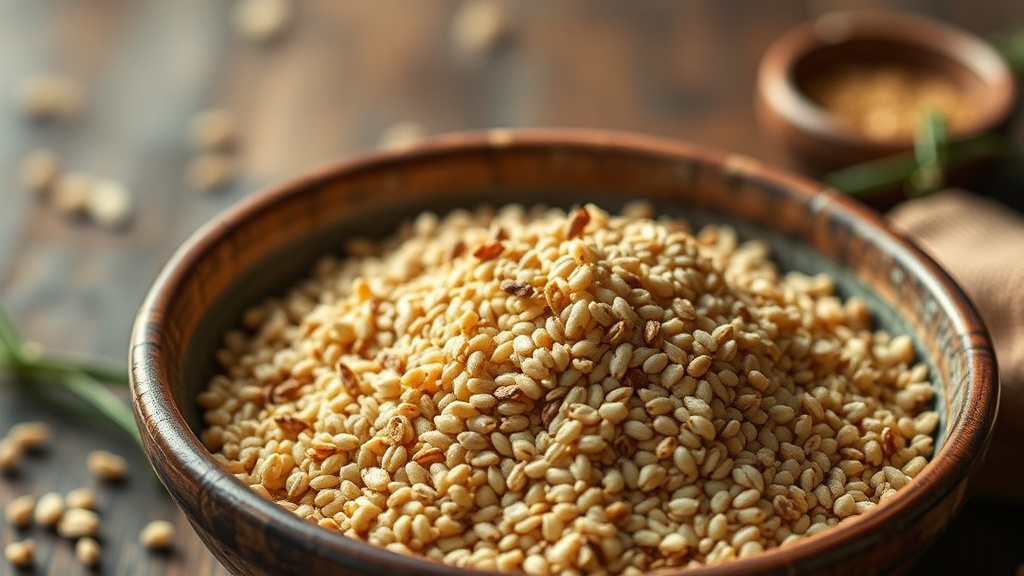
7 Ancient Grains That Bring Texture to Modern Bowls

The Nutty Bite of Farro
Teff: The Tiny Powerhouse
Quinoa: The Versatile Classic
Amaranth: A Golden Texture
Buckwheat: Earthy and Robust
Millet: The Gentle Grain
Freekeh: Smoky and Substantial
Nearly 10,000 years ago, the foundations of agriculture were built on grains that look nothing like the white rice or refined flour found in most modern pantries. While modern processed grains often lack structural integrity, ancient grains provide a much-needed textural contrast in contemporary grain bowls and salads. This post examines seven specific ancient grains—ranging from quinoa to amaranth—to explain their unique textures, nutritional profiles, and how to prepare them for your kitchen.
What are the most popular ancient grains used in cooking?
The most popular ancient grains used in modern cooking include quinoa, farro, amaranth, buckwheat, millet, teff, and spelt. These grains are often categorized by their ability to hold shape and provide a distinct "bite" in various dishes. Unlike highly processed grains, these varieties retain their bran and germ, which means you get more flavor and a more complex mouthfeel.
Quinoa is arguably the most recognizable on this list. It's a pseudo-cereal that cooks incredibly fast—usually in about 15 minutes. It has a slightly nutty flavor and a tiny, poppy texture that works well in everything from breakfast porridges to savory Buddha bowls. If you want a grain that acts almost like a vegetable in terms of lightness, quinoa is your best bet.
Farro is a staple in Italian cooking and offers a much heavier, chewier texture. It's an ancient wheat variety that has been around for thousands of years. When you use farro, you aren't just adding calories; you're adding a substantial, nutty base that can stand up to heavy dressings or roasted vegetables. It's the kind of grain that stays firm even if it sits in a salad dressing for a few hours.
Farro works beautifully when paired with hearty ingredients. For instance, if you're making a one-pan Mediterranean chicken dish, a scoop of farro can soak up those roasted juices without turning into mush. It provides a structural foundation that white rice simply can't match.
A Quick Texture Comparison
| Grain | Texture Profile | Best Use Case |
|---|---|---|
| Quinoa | Light, slightly crunchy, "pop" | Salads, breakfast bowls |
| Farro | Chewy, dense, substantial | Warm grain bowls, hearty soups |
| Buckwheat | Gritty to soft (depending on toast) | Porridge, noodles (Soba) |
| Teff | Tiny, smooth, slightly grainy | Smoothies, fermented breads |
| Amaranth | Tiny, gelatinous when cooked | Thickening agent, hot cereal |
How do I cook buckwheat without it tasting bitter?
To avoid bitterness in buckwheat, ensure you are using toasted buckwheat groats (also known as kasha) and rinsing them thoroughly before cooking. While buckwheat is technically a seed rather than a true grain, it behaves like one in the kitchen. The bitterness often comes from the outer hull or from using buckwheat that has been sitting in a pantry for too long.
If you're using buckwheat for a savory meal, try cooking it in a high-quality vegetable or chicken stock instead of plain water. This adds a layer of savory depth that balances the earthy notes. Buckwheat has a very distinct, slightly "toasty" flavor that can be quite intense. It's a bit like the difference between a mild white bread and a hearty sourdough. If you're not used to it, it can be a shock to the system.
I often use buckwheat groats in a warm porridge during the colder months. It has a much more interesting mouthfeel than standard oats. It's less about a soft mush and more about a structured, nutty bite. You can find high-quality buckwheat at stores like Whole Foods Market or specialized health food shops.
What is the difference between millet and amaranth?
The primary difference between millet and amaranth lies in their size and how they react to water during the cooking process. Millet consists of slightly larger, rounder grains that maintain a distinct shape even when fully cooked. Amaranth, on the other hand, consists of microscopic grains that tend to become much more gelatinous and "gluey" when boiled. This makes amaranth an excellent thickener for soups or a base for a creamy porridge, whereas millet is better suited for a standalone grain base.
Millet is a staple in many African and Asian cuisines. It's a drought-resistant grain that has a mild, slightly sweet flavor. It's great for making a light, fluffy pilaf. If you want something that mimics the texture of couscous but has more substance, millet is the way to go.
Amaranth is a different beast entirely. Because the grains are so small, they can almost disappear into a dish if you aren't careful. However, when cooked correctly, they provide a subtle, creamy texture that is quite satisfying. It's a great way to add "body" to a dish without using heavy starches. It's almost like a middle ground between a grain and a seed.
Texture Guide for Ancient Grains
- The "Pop" Factor: Quinoa and Amaranth (depending on hydration).
- The "Chew" Factor: Farro and Spelt.
- The "Soft/Creamy" Factor: Teff and cooked Amaranth.
- The "Granular" Factor: Millet and Buckwheat.
Is teff better than quinoa for nutrient density?
Teff is often considered more nutrient-dense than quinoa because of its incredibly high concentration of minerals like iron and calcium per gram. While quinoa is a complete protein (meaning it contains all nine essential amino acids), teff is a nutritional powerhouse in its own right. It is a tiny, ancient grain from Ethiopia that is often used to make injera, a fermented flatbread. It's a tiny grain, but it packs a massive punch.
Teff is incredibly versatile. Because the grains are so small, they cook very quickly and can be used in everything from baking to smoothies. If you're looking to add a subtle, nutty flavor to a smoothie without changing the texture too much, teff is a great option. It's much more subtle than the "crunch" of quinoa. It's more of a texture adjustment than a structural change.
One thing to note is that teff can be a bit tricky to cook if you want a specific grain-like texture. It often ends up more like a thick porridge or a dense dough. If you're trying to make a grain bowl, you might find it better to use it as a base for a fermented batter or a thick breakfast bowl. It's a bit more specialized than the more common quinoa.
For those interested in the technical side of how these grains are grown and their nutritional breakdown, the Food and Agriculture Organization of the United Nations provides extensive documentation on traditional cereal crops and their global impact. This is helpful if you want to understand the agricultural history behind these ingredients.
Which ancient grains work best in cold salads?
Farro and Spelt are the best choices for cold salads because they maintain their structural integrity and chewiness even when chilled. Most other grains, like quinoa or amaranth, can become a bit too soft or lose their texture once they hit the refrigerator. If you want a salad that actually feels like a meal and doesn't turn into a pile of mush by lunchtime, stick to the heavier grains.
When making a cold grain salad, I recommend cooking the grain slightly longer than the package directions suggest—just a minute or two extra. This ensures that once it cools down, it still has that satisfying "bite." A cold farro salad with feta, cucumbers, and a lemon vinaigrette is a staple in my house during the summer. It's much more interesting than a standard pasta salad.
Spelt is another fantastic option for this. It's an ancient form of wheat and has a much more robust flavor than modern wheat. It's slightly more delicate than farro, but it still holds its shape beautifully. It's a great way to add a sense of "heft" to a lighter leafy green salad. It makes the meal feel more substantial and less like a side dish.
One thing to keep in mind is that these grains can absorb a lot of liquid. If you're making a salad ahead of time, don't drown the grains in dressing right away. Wait until you're ready to serve to add the final liquid components. This prevents the grains from becoming waterlogged and losing that distinct texture we're looking for.
The beauty of these grains is that they aren't just "healthier" versions of white rice. They are completely different culinary tools. They change how a dish feels on your palate. Whether you're looking for a chewy, hearty base or a light, popping texture, there's an ancient grain for that. Just remember to respect the cooking time and the hydration levels—they aren't as forgiving as your standard white rice.