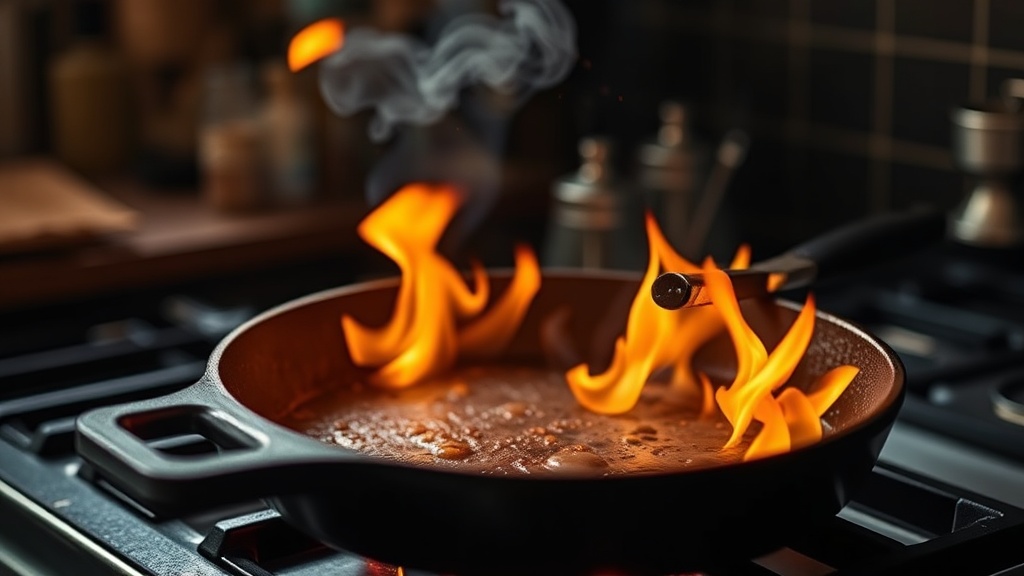
Achieving the Perfect Sizzle with Cast Iron

Most people believe that a cast iron skillet is too high-maintenance for daily cooking, but the truth is that a well-seasoned pan actually makes cooking easier and more consistent. This post explains the mechanics of heat retention, the science of seasoning, and the specific techniques required to achieve a professional-grade sear on proteins and vegetables. If you've ever struggled with sticking or uneven browning, the problem likely isn't your recipe—it's your temperature management.
Why Does My Cast Iron Pan Stick?
Food sticks to cast iron when the pan's surface temperature is too low or when the seasoning layer is damaged. When you drop a piece of meat into a cold pan, the proteins bond to the metal pores, creating a mess that's nearly impossible to scrape off without damaging the surface. To prevent this, you must ensure the pan is thoroughly preheated and that you're using a fat with a high enough smoke point.
Temperature control is the biggest hurdle for home cooks. If you're using a heavy piece of iron like a Lodge Cast Iron skillet, you're working with a massive thermal heat sink. It takes time to get that heat moving. If you rush the process, you'll get a gray, steamed steak instead of a crusty, brown one. That's a heartbreak I've seen too many times in my own kitchen.
The science of the "Maillard reaction" is what we're actually chasing here. This is the chemical reaction between amino acids and reducing sugars that gives browned food its distinctive flavor. Without it, your food is just cooked; with it, your food is delicious. To get that reaction, you need high heat and a stable surface.
I often suggest looking into the Maillard reaction if you want to understand the chemistry behind why browning matters. It isn't just about looks—it's about flavor depth.
How Do I Season a Cast Iron Skillet Properly?
You season a cast iron skillet by applying a thin layer of oil and heating it until it undergoes polymerization. This process transforms liquid oil into a hard, plastic-like solid that adheres to the metal. It's not just "greasing" the pan; it's creating a physical barrier that prevents sticking and prevents rust.
Don't overcomplicate it. You don't need fancy oils or expensive kits. In fact, using too much oil is the fastest way to create a sticky, gummy mess that ruins your cooking experience. I prefer using a high-smoke-point oil like grapeseed or avocado oil for the seasoning process.
Here is my standard routine for a fresh seasoning session:
- Clean: Scrub the pan with warm water and a stiff brush to remove any old residue.
- Dry: Place the pan on a stove burner over low heat to ensure every drop of moisture is evaporated.
- Apply: Pour a tiny amount of oil into the pan and wipe it around with a paper towel until the pan looks almost dry.
- Heat: Put the pan in a 450°F oven for one hour.
- Repeat: Let it cool completely before doing another thin layer.
If you find your pan is getting a bit "gummy," you likely applied too much oil during the heating phase. A common mistake is thinking "more oil equals better seasoning." That's a myth. You want a microscopic layer, not a puddle.
Comparing Fat Types for Cooking
The type of fat you use determines how much heat you can safely apply before the oil begins to smoke and break down. If you use butter for a high-heat sear, the milk solids will burn and turn bitter almost instantly.
| Fat Type | Smoke Point (Approx) | Best Use Case |
|---|---|---|
| Extra Virgin Olive Oil | 375°F | Low-heat sautéing or finishing |
| Avocado Oil | 520°F | High-heat searing and heavy lifting |
| Grapeseed Oil | 420°F | General pan-frying and roasting |
| Unsalted Butter | 300°F | Flavoring at the very end of cooking |
What Is the Best Temperature for Searing Meat?
The best temperature for searing meat in cast iron is when the oil is shimmering and just beginning to show a faint wisp of smoke. This indicates the pan is hot enough to instantly sear the exterior of the protein without the temperature dropping too sharply when the meat hits the surface.
If you're cooking a thick ribeye, you want that pan screaming hot. If you're cooking delicate scallops, you'll want to dial it back slightly. I've found that if the oil isn't "dancing," the meat will stick. It's a simple test. Drop a tiny piece of bread or a drop of water into the pan; if it sizzles immediately, you're ready.
One thing to watch out for: the "Leidenfrost effect." This is when a drop of water skitters around on the surface because the pan is so hot. While it's a cool physics trick, in cooking, it's a sign that your surface is ready for protein.
When I'm making a one-pan meal, I'm always thinking about the heat transition. If I'm making something like One-Pan Mediterranean Chicken, I make sure the chicken skin is extremely dry before it hits the iron. Moisture is the enemy of a good sear. If the chicken is wet, the steam will prevent the crust from forming, and you'll end up with a soggy texture instead of a crisp one.
It's also worth noting that you shouldn't crowd the pan. If you put too many items in at once, the temperature of the iron drops instantly. The moisture released by the food creates a steam cloud, and suddenly you're boiling your food in its own juices rather than searing it. Give your ingredients space to breathe.
"A crowded pan is a death sentence for a good crust. If you want that golden-brown perfection, cook in batches."
I often use the same logic when I'm working with spices. Just as you wouldn't dump a handful of spices into a cold pan, don't crowd your cast iron. If you're looking for more ways to build depth in your cooking, check out my guide on unlocking the secrets of spices. It's a similar principle of timing and heat management.
Lastly, don't be afraid of the heat. A lot of people are scared of their cast iron because they think they'll ruin it. You won't. As long as you aren't using harsh soaps or abrasive metal scrubbers that strip the seasoning, your pan is incredibly resilient. It's a tool that gets better with age, not one that wears out.
Keep your pan hot, your oil high-quality, and your ingredients dry. That's the secret to a perfect sear every single time.
Steps
- 1
Preheat the Skillet
- 2
Test the Heat with Water Droplets
- 3
Add High Smoke Point Oil
- 4
Lay Food Away from You