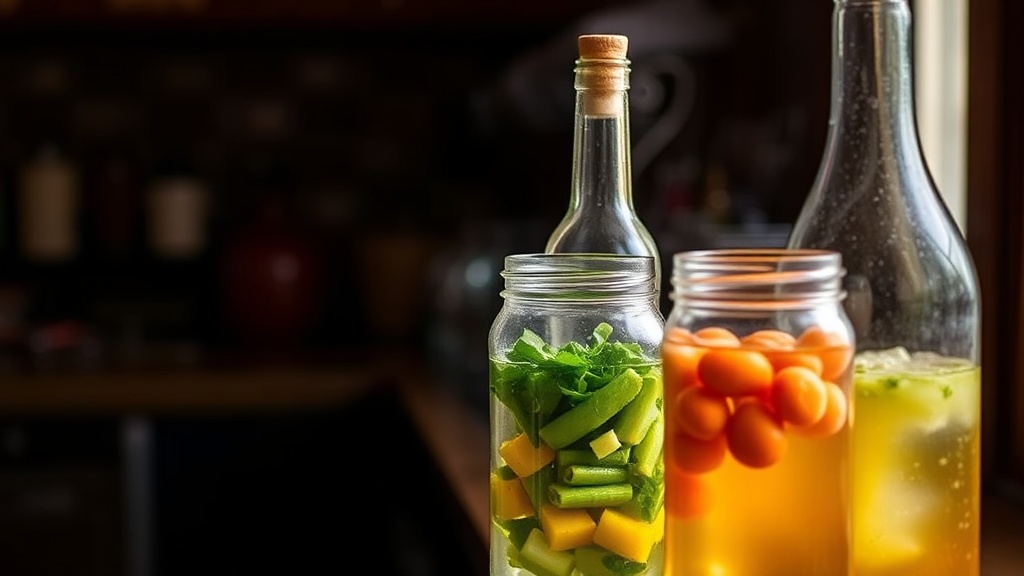
Beyond the Bottle: Unlocking the Depth of Fermentation in Your Kitchen

A jar of raw, unpasteurized kimchi sits on a kitchen counter in Seoul, its surface bubbling slightly as lactic acid bacteria consume the sugars in the napa cabbage. In a different kitchen, a sourdough starter—a living culture of wild yeast and lactobacilli—is being fed a precise ratio of stone-ground rye flour and filtered water to maintain its pH level. These are not merely culinary curiosities; they are controlled biological processes that transform the chemical structure of food, increasing bioavailability and developing complex flavor profiles that no synthetic additive can replicate.
Fermentation is often misunderstood as a singular method of preservation, yet it is actually a diverse spectrum of metabolic pathways. At its core, fermentation involves microorganisms—such as Lactobacillus, Saccharomyces cerevisiae, or Acetobacter—breaking down carbohydrates into alcohols or organic acids. Understanding these micro-processes allows a cook to move beyond following recipes and begin manipulating variables like temperature, salinity, and oxygen exposure to achieve specific gastronomic results.
The Three Pillars of Controlled Fermentation
To successfully execute fermentation in a home kitchen, one must respect the three fundamental variables that dictate the success or failure of the microbial colony: salinity, temperature, and anaerobic environments.
1. Salinity and Osmotic Pressure
Salt is the primary regulator in vegetable fermentation. In processes like making traditional sauerkraut or fermented pickles, salt does not merely season the food; it acts as a selective agent. A brine concentration of 2% to 3% is generally the "sweet spot" for Lactobacillus. This concentration is high enough to inhibit the growth of spoilage bacteria and pathogens like Clostridium botulinum, but low enough to allow beneficial lactic acid bacteria to thrive. If the salt concentration is too low, the vegetables will become mushy due to pectin breakdown; if it is too high, it will stall the fermentation process entirely.
2. Thermal Regulation
Temperature dictates the speed of microbial metabolism. For most vegetable ferments, a stable temperature between 65°F and 75°F (18°C–24°C) is ideal. If the environment is too warm, fermentation occurs too rapidly, often resulting in a harsh, overly acidic flavor and a loss of texture. Conversely, temperatures below 60°F will significantly slow the activity of the bacteria, potentially allowing undesirable molds to take hold before the pH drops sufficiently to protect the batch. When working with sourdough, a warmer environment (78°F–82°F) can accelerate yeast activity, but requires careful monitoring to prevent the acidity from outstripping the yeast's ability to produce gas.
3. The Anaerobic Requirement
Most beneficial fermenting bacteria are anaerobic, meaning they thrive in environments devoid of oxygen. This is why weight is a critical tool in the fermentation process. Whether using a glass weight, a specialized fermentation lid, or even a heavy ceramic plate, the vegetables must remain completely submerged beneath the brine. Exposure to air leads to oxidation and provides a pathway for aerobic molds, such as Kahm yeast, to colonize the surface. While Kahm yeast is generally non-toxic, it can impart an off-flavor that ruins the clarity of the ferment.
Technique Spotlight: Lacto-Fermentation vs. Acetic Acid Fermentation
While both fall under the umbrella of fermentation, the chemical outcomes are distinct. Recognizing the difference is essential for anyone looking to build a pantry of artisanal condiments.
- Lacto-Fermentation: This is the process of using lactic acid bacteria to convert sugars into lactic acid. This is the method used for kimchi, sauerkraut, and traditional pickles. The result is a bright, tangy acidity and a preservation of the vegetable's structural integrity.
- Acetic Acid Fermentation: This involves Acetobacter bacteria converting ethanol into acetic acid. This is the fundamental process behind making apple cider vinegar or kombucha. Unlike the slow, subtle evolution of a vegetable ferment, acetic fermentation is a secondary stage of transformation that requires an alcohol base.
For those interested in the chemical transformations that occur during cooking, understanding these biological shifts is a natural extension of learning about heat-driven reactions, such as the science of the Maillard reaction, where amino acids and reducing sugars react under heat.
Essential Equipment for the Home Fermenter
You do not need a laboratory to ferment, but you do need tools that ensure consistency and safety. Precision is the difference between a delicious condiment and a wasted batch of ingredients.
- Digital Scale: When working with brine, volume measurements (like cups or tablespoons) are too imprecise. A digital scale that measures to the gram allows you to calculate exact percentages of salt to weight, ensuring every batch of pickles or cabbage is identical.
- Glass Mason Jars: Glass is non-reactive and easy to sterilize. Avoid plastic containers, which can be porous and may harbor bacteria in microscopic scratches.
- Fermentation Weights: These are essential for keeping solids submerged. You can use specialized glass weights or even clean river stones, provided they are thoroughly boiled first.
- Airlocks: For liquid ferments like kombucha or water kefir, an airlock system allows carbon dioxide to escape while preventing oxygen and contaminants from entering the vessel.
Advanced Application: Incorporating Ferments into Modern Menus
Once you have mastered the basic brine, the goal is to use these fermented elements to add "umami" and acidity to your cooking. Fermentation is not just a way to make a side dish; it is a way to build layers of flavor in a main course.
Consider the use of miso paste. This fermented soybean paste, a staple of Japanese cuisine, provides a deep, savory base for sauces and marinades. Because it is a fermented product, it can be used to add a "fifth taste" to even the simplest vegetable braise. Similarly, a splash of red wine vinegar—the result of acetic acid fermentation—can be used to deglaze a pan, lifting the browned bits (the fond) and adding a bright, acidic lift to a heavy sauce.
If you are looking to refresh your culinary repertoire for the season, integrating these elements into a healthy brunch menu can elevate simple dishes. For example, topping a soft-boiled egg with a spoonful of fermented chili crisp or a dollop of kimchi adds both texture and a complex, fermented heat that standard hot sauces lack.
Troubleshooting Common Issues
Even with precise measurements, fermentation can occasionally deviate from the intended path. Being able to diagnose these issues is a hallmark of an experienced cook.
"In fermentation, a mistake is rarely a failure; it is usually a data point indicating that a variable—be it salt, temperature, or oxygen—was not correctly controlled."
The "Soft" Texture Problem: If your fermented carrots or cucumbers are mushy rather than crunchy, the issue is likely either too little salt or too much heat. High temperatures accelerate the enzymatic breakdown of pectin. To prevent this, ensure your brine is at least 2.5% salt and keep your jars in a cool, dark corner of the kitchen.
The White Film (Kahm Yeast): If you see a thin, white, wavy film on the surface of your brine, this is likely Kahm yeast. It is not mold, and it is not dangerous, but it can make the ferment taste "yeasty" or bitter. To fix this, you can scrape it off with a sterile spoon or add a small piece of ginger to the jar, which can help regulate the environment. If, however, the film is fuzzy, colorful (black, green, or bright orange), or smells like rot, discard the entire batch immediately. This is mold, and it indicates a failure of the anaerobic environment.
The "Too Sour" Result: If a ferment becomes overwhelmingly acidic before it reaches your desired flavor profile, you have likely let it ferment at room temperature for too long. To slow down a ferment that is progressing too quickly, move the jar to the refrigerator. The cold temperature will significantly decelerate the metabolic rate of the bacteria, allowing you to "hold" the flavor at its peak.
The Long-Term Value of Fermentation
Developing a fermentation practice is an investment in both flavor and food security. By mastering the ability to transform seasonal surpluses—like a heavy harvest of summer cucumbers or autumn cabbage—into shelf-stable, nutrient-dense condiments, you are engaging in a culinary tradition that is as much about science as it is about art. The goal is to move from a consumer of prepared flavors to a creator of foundational ones.