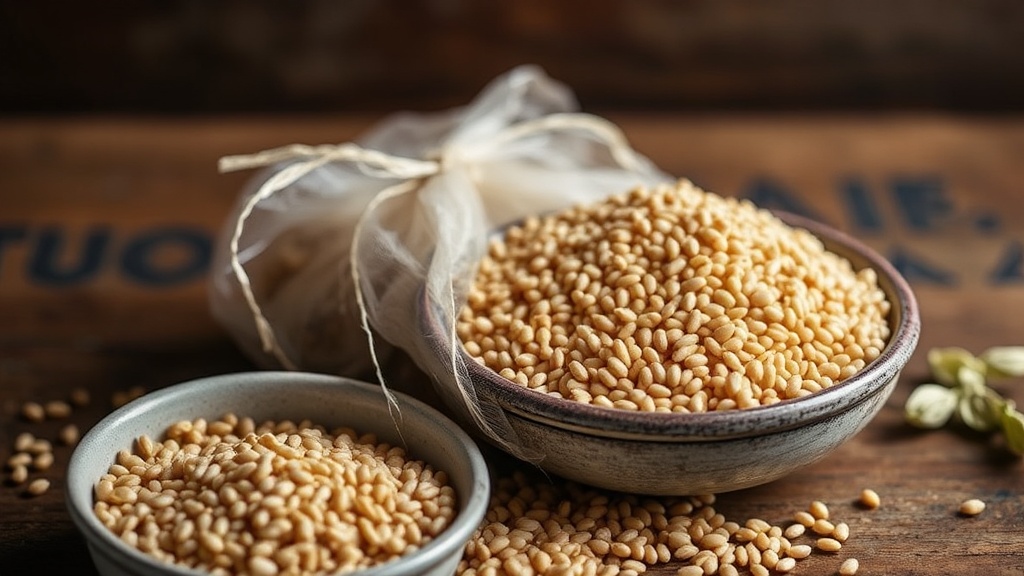
Hidden Gems of the Mediterranean: 5 Heirloom Grains to Elevate Your Table

Farro: The Heart of Italian Salads
Einkorn: The Ancestor of Modern Wheat
Freekeh: Smoky Depth for Savory Stews
Spelt: A Versatile Nutty Alternative
Kamut: Golden Grains for Texture and Strength
Have you ever wondered why certain traditional Mediterranean dishes possess a depth of texture and a nutty complexity that modern, highly processed grains simply cannot replicate?
The answer often lies in the preservation of heirloom varieties. While industrial agriculture favors high-yield, uniform wheat and rice, the Mediterranean basin remains a sanctuary for ancient grains that have been cultivated for millennia. These grains are not just historical artifacts; they are functional ingredients that offer superior nutrient density, distinct flavor profiles, and unique structural properties in the kitchen. By incorporating these specific varieties into your repertoire, you transition from merely cooking a meal to constructing a culinary experience grounded in terroir.
To utilize these grains effectively, one must understand that they do not behave like standard white rice or refined flour. They require specific hydration techniques, varying cooking times, and a nuanced understanding of how their starch structures interact with fats and acids. This guide examines five essential heirloom grains that can immediately elevate your home cooking from basic to professional-grade.
1. Farro (Emmer and Einkorn Varieties)
Farro is frequently used as a generic term in North America, but for the discerning cook, the distinction between the varieties—specifically Emmer and Einkorn—is vital. Emmer, often referred to as farro piccolo, is a robust grain with a chewy, resilient texture. It is a staple in the Tuscan countryside, where it forms the backbone of hearty soups and grain salads.
Flavor Profile and Texture: Emmer offers a deep, toasted nuttiness with a significant "bite." It holds its shape exceptionally well even after extended simmering, making it the ideal candidate for grain-based salads where you want the texture to remain distinct rather than mushy.
Technical Application: When cooking farro, avoid the mistake of boiling it in plain water. To maximize flavor, use a high-quality vegetable or chicken stock. A professional technique involves "toasting" the dry grains in a pan with a small amount of olive oil for three to five minutes before adding liquid. This process, known as the Maillard reaction, enhances the grain's natural aroma. If you are making a warm grain bowl, aim for a ratio of 1 part farro to 3 parts liquid, and cook it for approximately 25–30 minutes until the outer hull is tender but the core remains firm.
Serving Suggestion: Combine cooked Emmer with roasted fennel, toasted pine nuts, and a heavy drizzle of high-quality extra virgin olive oil. The residual heat from the grain will slightly soften the fennel, creating a cohesive dish.
2. Freekeh (Smoked Green Wheat)
If you are looking to introduce a smoky, savory element to a dish without using liquid smoke or heavy spices, Freekeh is your most potent tool. Freekeh is actually a young, green wheat that has been parched (roasted) and then rubbed to remove the hull. This parching process is what gives it its signature smoky scent and slightly firm texture.
Flavor Profile and Texture: It possesses a profound earthiness and a distinct "smokiness" that can mimic the flavor of wood-fired cooking. The texture is more substantial than bulgur, offering a satisfying, toothsome quality that stands up well to heavy sauces.
Technical Application: Because Freekeh is parched, it requires a longer hydration period than many other grains. For the best results, soak the grain in warm water for at least 30 minutes prior to cooking. When simmering, use a 1:3 ratio of grain to liquid. To lean into its savory strengths, consider cooking the Freekhek in a broth infused with star anise or cinnamon sticks to bridge the gap between the grain's smoke and the aromatic spices often found in Middle Eastern cuisine. You can learn more about layering complex flavors in our guide on aromatic trade routes and spice profiles.
Serving Suggestion: Use Freekhek as a base for a savory porridge. Fold in sautéed wild mushrooms, a dollop of Greek yogurt, and a sprinkle of za'atar for a sophisticated breakfast or a hearty side dish.
3. Bulgur (Cracked Wheat)
Bulgur is a staple across the Levant and is the foundational element of Tabbouleh. Unlike the whole grains mentioned above, Bulgur is a processed grain—it has been parboiled, dried, and cracked. This makes it one of the fastest-cooking heirloom-derived grains, making it an essential pantry item for efficient, high-flavor cooking.
Flavor Profile and Texture: Bulgur is milder than Freekhek but more complex than standard couscous. It has a subtle, wheaty sweetness and a texture that can range from light and fluffy to dense and chewy, depending on the coarseness of the crack.
Technical Application: There are two primary ways to prepare Bulgur: the "soak" method and the "boil" method. For cold salads like Tabbouleh, simply soak the coarse Bulgur in cold water or lemon juice for 30–60 minutes. For warm pilafs, bring a liquid (such as a spiced vegetable stock) to a boil, add the Bulgur, cover, and remove from heat immediately, allowing it to steam for 15 minutes. This ensures the grains remain distinct and do not clump together.
Serving Suggestion: Create a classic Mediterranean pilaf by sautéing finely diced onions and garlic in butter, adding the Bulgur and toasted slivered almonds, and then finishing with a squeeze of fresh lemon juice and chopped flat-leaf parsley.
4. Spelt (Triticum Spelt)
Spelt is an ancient relative of modern wheat that has a much higher protein content and a more complex nutritional profile. It is widely grown in Germany and across Central Europe, but its use in Mediterranean baking and grain dishes is a testament to its versatility. Spelt is often more digestible for those who find modern wheat heavy.
Flavor Profile and Texture: Spelt has a sweeter, more delicate flavor than Emmer or Freekhek. Its texture is slightly softer, making it an excellent choice for both savory dishes and certain types of rustic breads or porridges.
Technical Application: When working with whole-grain Spelt, it is crucial to rinse the grain thoroughly to remove any excess dust or surface starch. Cook it in a 1:2.5 ratio of liquid to grain. Because Spelt can become gummy if overcooked, it is best to cook it just until the "al dente" stage. A useful tip for achieving perfect texture is to use a heavy-bottomed Dutch oven, which distributes heat evenly and prevents the bottom layer of grain from scorching during the longer cooking process.
Serving Suggestment: Use cooked Spelt in a warm grain salad with roasted seasonal vegetables—such as butternut squash or beets—and a crumbled feta cheese. The sweetness of the Spelt complements the earthy sweetness of the roasted vegetables perfectly.
5. Barley (Hordeum Vulgare)
Barley is perhaps the most ubiquitous of the "ancient" grains, yet it is often overlooked in modern Western kitchens. In the Mediterranean, particularly in Greece and Turkey, barley is a fundamental ingredient in soups (like the Greek Avgolemono) and hearty salads.
Flavor Profile and Texture: Barley offers a mild, slightly sweet flavor and a remarkably chewy, gelatinous texture when cooked correctly. This makes it an exceptional thickener for soups and stews, providing a natural, creamy viscosity without the need for heavy starches or dairy.
Technical Application: To achieve the perfect texture, distinguish between "pearl barley" and "hulled barley." Pearl barley has had the outer bran layer removed, so it cooks faster and is smoother. Hulled barley is the whole grain and requires much longer cooking times (often 45–60 minutes) and more liquid. If you are using it to thicken a soup, add the barley at the beginning of the simmering process. If you are using it as a standalone grain, cook it in a 1:4 ratio to ensure it remains tender but retains its structural integrity.
Serving Suggestion: Incorporate barley into a traditional Greek lemon-chicken soup. The starch released by the barley will naturally emulsify the lemon and egg yolks, creating a silky, luxurious broth that is both comforting and nutritious.
Summary Table for Quick Reference
| Grain | Primary Flavor | Best Ratio (Grain:Liquid) | Ideal Use |
|---|---|---|---|
| Emmer (Farro) | Nutty, Robust | 1:3 | Grain Salads, Soups |
| Freekhek | Smoky, Earthy | 1:3 | Savory Porridges, Meat Bases |
| Bulgur | Mild, Wheaty | 1:2 (Soak method) | Tabbouleh, Pilafs |
| Spelt | Sweet, Delicate | 1:2.5 | Rustic Breads, Warm Salads |
| Barley | Mild, Mellow | 1:4 | Soups, Stews, Thickening |
By moving beyond the standard pantry staples and embracing these heirloom grains, you bring a sense of history and geographical specificity to your kitchen. These ingredients do more than fill a plate; they provide a foundation for complex flavors and textures that define the Mediterranean way of eating.