Spices of the Silk Road: A Journey Through Aromatic Trade Routes

The Golden Warmth of Cinnamon
Cardamom: The Queen of Spices
Black Pepper: The Black Gold of Antiquity
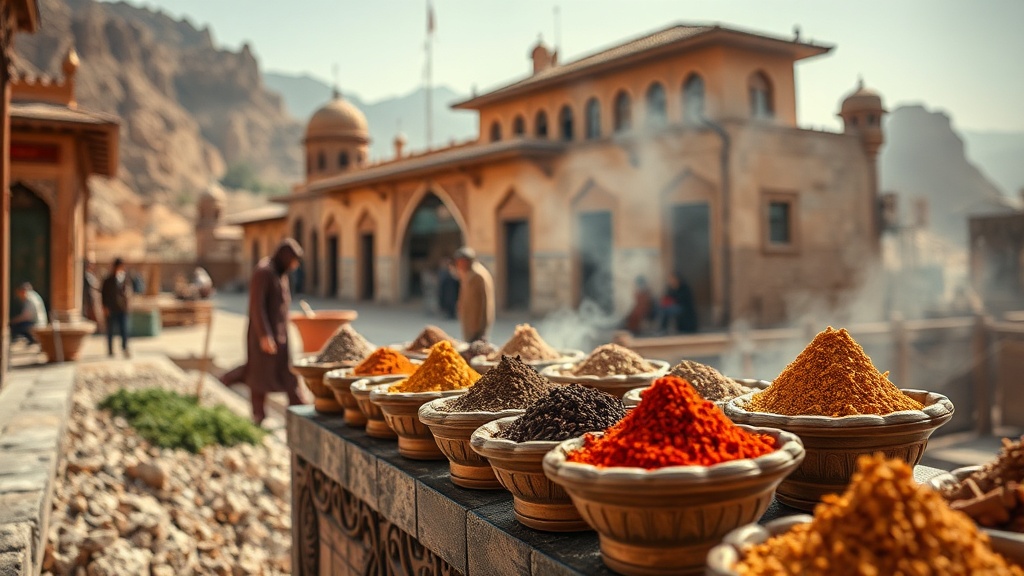
A heavy, golden dust hangs in the air of a Samarkand bazaar, catching the shafts of sunlight that pierce through the canvas awnings. The scent is not a single note, but a dense, layered atmosphere: the sharp, citrusy sting of dried sumac, the deep, resinous warmth of cinnamon bark, and the earthy, almost medicinal musk of toasted cumin. Here, spices are not merely ingredients; they are the physical manifestation of thousand-mile journeys, carved into wooden scoops and piled into high, conical mounds that glow under the central Asian sun. This is the olfactory legacy of the Silk Road, a network of trade routes that fundamentally reshaped the human palate by moving more than just silk and porcelain.
To understand the history of global cuisine, one must understand the movement of aromatics. The Silk Road served as a conduit for flavors that would eventually define the culinary identities of entire continents. From the cardamom forests of India to the peppercorn plantations of the Malabar Coast and the saffron fields of Persia, these spices traveled through mountain passes and desert dunes to reach the tables of emperors and commoners alike. For the modern cook, these spices offer a way to build complexity and depth, transforming simple proteins and grains into profound culinary experiences.
The Essential Aromatics of the Silk Road
Each spice on this list represents a specific geographic lineage and a distinct chemical profile that can be utilized to elevate home cooking. When sourcing these, prioritize whole spices over pre-ground powders to ensure the volatile oils remain intact.
1. Saffron: The Red Gold of Persia
Saffron is perhaps the most prestigious commodity to emerge from these routes. Derived from the dried stigmas of the Crocus satura flower, it requires an immense amount of labor to harvest, which accounts for its high market value. Unlike many spices that provide heat, saffron provides a sophisticated, hay-like aroma with subtle notes of honey and metallic saffron-scented earthiness.
How to use it: To extract the maximum color and aroma, do not simply toss threads into a pot. Instead, grind a small pinch of threads with a tiny amount of sugar in a mortar and pestle, then steep the mixture in warm (not boiling) water or milk for at least 20 minutes. This "blooming" process ensures the pigment is evenly distributed throughout your dish, whether you are making a Persian Tahdig or a Spanish Paella. It works exceptionally well in creamy textures, such as a saffron-infused risotto or a delicate custard.
2. Cardamom: The Queen of Spices
Whether it is the bright, citrusy Green Cardamom from India or the more camphoraceous, smoky Black Cardamom from the foothills of the Himalayas, this spice is a powerhouse of complexity. Green cardamom pods contain high concentrations of cineole, providing a cooling, herbal sensation, while black cardamom offers a deep, resinous heat that pairs perfectly with heavy meats.
How to use it: For savory applications, crack the pods slightly to release the seeds and add them to a braising liquid for lamb or goat. For sweet applications, grind the seeds finely and incorporate them into doughs for Scandinavian-style breads or spiced cakes. If you are looking to add depth to a coffee or tea, drop a single whole pod into the brewing vessel to infuse the liquid with a subtle, aromatic lift without the bitterness of heavy spices.
3. Cumin: The Earthy Foundation
Cumin is the backbone of much of the Middle Eastern and South Asian spice palettes. It possesses a warm, nutty, and slightly bitter profile that provides a grounding element to dishes that feature high-acid ingredients like tomatoes or citrus. The key to unlocking cumin is heat; raw cumin can taste overly medicinal, but toasted cumin is transformative.
How to use it: Use the technique of "tempering" (known as tadka in Indian cuisine). Heat a neutral oil or ghee in a small pan until shimmering, add whole cumin seeds, and cook them until they begin to sizzle and turn a shade darker. Immediately pour this infused oil over a lentil dal or a vegetable curry. This method ensures the spice is cooked through and the essential oils are fully expressed into the fat, which then carries the flavor across the entire dish.
4. Cinnamon: The Sweet and Savory Bridge
True Silk Road cinnamon is often Cinnamomum cassia, which is thicker, harder, and more pungent than the delicate Cinnamomum verum (Ceylon cinnamon) found in many Western grocery stores. Cassia has a bold, spicy-sweet profile that can stand up to heavy fats and proteins.
How to use it: Cinnamon is a master of the "sweet-savory" bridge. Use whole sticks in slow-cooked stews, such as a Moroccan Tagine, to provide a background warmth that doesn't overwhelm. If you are working with heavy, fatty meats like pork or lamb, the warmth of cinnamon helps cut through the richness. For a more subtle effect, grind the bark and add it to a spice rub for roasted root vegetables, which helps caramelize the natural sugars in the vegetables.
Techniques for Building Complexity
To truly utilize these spices as the masters of the Silk Road did, one must move beyond the "sprinkle and stir" method. Creating a professional-grade flavor profile requires intentionality in how heat, fat, and time are applied to the aromatics.
The Power of Toasting and Grinding
Whole spices are a preservative for flavor. When you buy a jar of pre-ground cumin or coriander, you are buying a product that has already begun to lose its volatile oils through oxidation. To achieve professional results, buy whole seeds and toast them in a dry skillet over medium heat. Watch for the moment the aroma fills the kitchen—this is your cue that the oils have been activated. Once cooled, grind them in a spice grinder or a heavy mortar and pestle. This ensures that the flavor is "fresh" when it hits your ingredients.
Layering Aromatics in Fat
Spices are lipophilic, meaning they dissolve in and are carried by fats. This is why a dish cooked with spices in oil will always have a more cohesive flavor than a dish where spices are added to a watery liquid. When building a base for a dish, start by sautéing aromatics like onions, garlic, and ginger in a fat (oil, ghee, or butter). Once these are translucent, add your dry spices. This "blooming" process allows the fat to capture the spice molecules, creating a flavored medium that coats every grain of rice or piece of meat in the pan.
Balancing the Five Tastes
The most successful Silk Road dishes utilize a balance of flavors: salt, sweet, sour, bitter, and umami. If a dish feels "flat" despite having many spices, it often lacks an acid or a salt component to bridge the flavors. For example, if a spiced lentil dish feels too heavy or earthy, a squeeze of fresh lemon juice or a teaspoon of apple cider vinegar will brighten the spices and make the cumin and coriander "pop." If you are looking for a deeper, more savory foundation to support these spices, consider how building deep savory layers with umami can provide a base for your aromatic spices to sit upon.
A Practical Application: The Silk Road Spice Rub
To practice these techniques, create a versatile spice blend that can be used on roasted poultry, hearty vegetables, or even incorporated into a grain bowl. This blend utilizes the warming and earthy notes discussed above.
- 2 tbsp Ground Cumin: For an earthy, foundational warmth.
- 1 tbsp Ground Coriander: For a light, citrusy top note.
- 1 tsp Ground Cinnamon: To provide a subtle, sweet complexity.
- 1/2 tsp Ground Cardamom: For a high-toned, aromatic lift.
- 1/2 tsp Smoked Paprika: To add a hint of color and a touch of "fire."
- 1 tsp Sea Salt and 1/2 tsp Black Pepper: To provide the necessary seasoning.
Instructions: Mix the ingredients in a small bowl. For the best results, rub this mixture onto a chicken thigh or a cauliflower steak along with a high-smoke-point oil (like avocado oil) and let it sit for at least 30 minutes before cooking. The salt will penetrate the surface, while the spices will toast in the pan, creating a deeply flavorful crust.
The spices of the Silk Road are more than just historical artifacts; they are tools for culinary expression. By respecting the origin, the chemistry, and the proper application of these aromatics, you can bring a sense of global history and profound depth to your own kitchen.