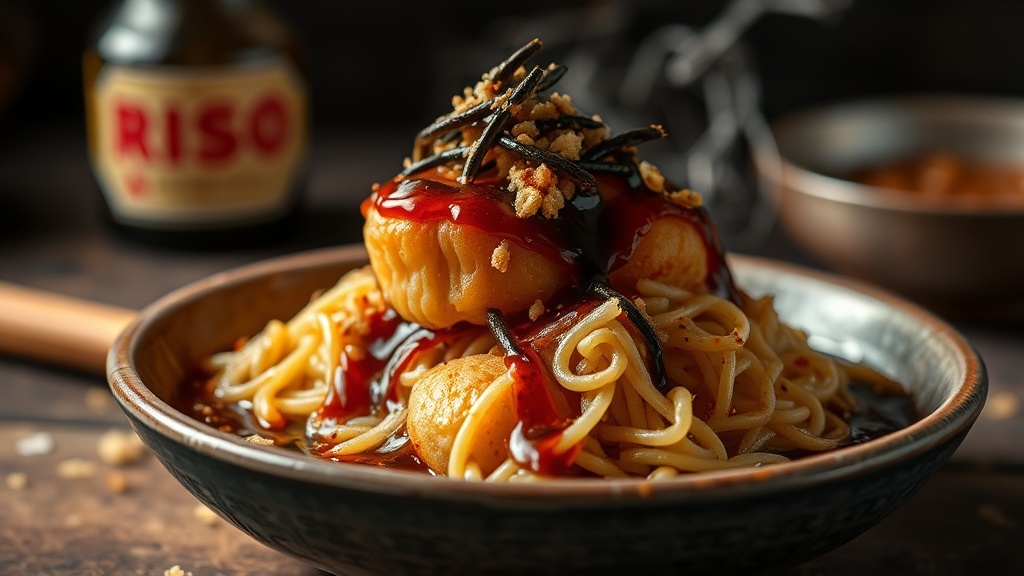
Umami Bombs: Building Deep Savory Layers with Miso and Soy

Have you ever tasted a dish that felt almost "hollow," despite having plenty of salt and acid, leaving you searching for that elusive, lingering satisfaction on the back of your tongue? That sensation is the absence of umami, the fifth taste profile that provides depth, weight, and a savory "roundness" to food. While salt enhances brightness and acid provides lift, umami provides the foundation. To build professional-grade flavor profiles at home, you must look beyond simple seasoning and start utilizing fermented pastes and liquids like miso and soy sauce to create layers of complexity.
The Science of the Savory: Understanding Glutamates
Umami is not a single ingredient; it is a chemical reaction triggered by L-glutamate and certain nucleotides. When these compounds hit your taste receptors, they signal the brain that you are consuming something protein-rich and nutrient-dense. In a kitchen setting, this means that adding a fermented ingredient doesn't just add "saltiness"—it adds a structural density to the liquid or sauce. This is why a broth made with just water and vegetables often feels thin, whereas a broth fortified with fermented elements feels "velvety."
The most effective way to utilize this is through the strategic application of fermented products. Fermentation breaks down complex proteins into free amino acids, specifically glutamic acid. This process is highly dependent on the type of mold (such as Aspergillus oryzae, or Koji) and the length of the aging process. If you want to understand the broader implications of this biological process in your pantry, you should explore unlocking the depth of fermentation in your kitchen to see how other aged ingredients function similarly.
The Miso Spectrum: From Light to Dark
Miso is a Japanese seasoning produced by fermenting soybeans with salt and koji. However, not all misos are created equal, and using the wrong variety can either ruin a delicate dish or fail to provide the punch you need. You must select your miso based on the desired level of fermentation and color.
- Shiro Miso (White Miso): This is a short-fermented paste made with a higher proportion of rice koji. It is mild, slightly sweet, and has a creamy texture. It is ideal for light vinaigrettes, delicate seafood poaching, or whisking into a light spring vegetable soup.
- Awase Miso (Yellow Miso): A middle-ground option that blends different types of miso. It offers a more robust savory profile than white miso and works exceptionally well in marinades for poultry or as a base for hearty stews.
- Aka Miso (Red Miso): This is a long-fermented, high-salt paste. It has a deep, pungent, and almost malty flavor profile. Use Aka Miso when you need to stand up to heavy proteins like beef or when creating a deep, dark glaze for roasted vegetables.
A professional tip for using miso: never boil it vigorously for extended periods if you want to preserve its nuanced aromatics. Instead, whisk the miso into a small amount of warm liquid to create a slurry before adding it to your main pot. This prevents clumping and ensures the delicate volatile compounds aren't entirely lost to high heat.
Soy Sauce: More Than Just a Salty Liquid
Soy sauce is a concentrated liquid umami bomb. While most people view it as a seasoning, high-level cooks treat it as a foundational building block. The depth of a soy sauce depends on the brewing method and the quality of the ingredients. For professional results, move away from "economical" or "all-purpose" varieties found in many grocery aisles and look for specific types that offer distinct profiles.
Types of Soy Sauce for Specific Applications
- Light Soy Sauce (Usukuchi): Do not let the name fool you; it is still salty, but it is much lighter in color and has a more subtle, nuanced flavor. It is perfect for seasoning stir-fries or light soups where you want to add salt and umami without turning your bright green vegetables a murky brown.
- Dark Soy Sauce (Koikuchi): This is thicker, more viscous, and has a caramel-like sweetness. It is used primarily for color and a deeper, more robust flavor. If you are making a braise or a rich noodle dish, a tablespoon of dark soy sauce provides that deep mahogany sheen and a heavy savory backbone.
- Tamari: Traditionally made with little to no wheat, Tamari is a much richer, more viscous, and more intensely savory version of soy sauce. It is an excellent choice for finishing a dish or creating a glaze for grilled meats, as its higher protein density allows it to cling to the surface of the food.
To maximize the impact of soy sauce, consider the timing of its addition. Adding it early in a braise allows the sugars and amino acids to integrate into the liquid, creating a unified flavor profile. Adding it at the very end (as a finishing sauce) provides a sharp, salty punch that highlights the primary ingredients.
Technique: Layering Umami in the Pan
To truly build "layers," you cannot simply pour these ingredients over a finished dish. You must integrate them into the cooking process. One of the most effective ways to do this is by combining fermented elements with high-heat chemical reactions. For instance, when you are browning meat or vegetables, you are initiating the Maillard reaction. Combining this with the addition of soy or miso creates a synergistic effect.
When you sear a protein, you are creating new flavor compounds through heat. If you deglaze that pan with a mixture of soy sauce and a bit of mirin (sweet rice wine), those new savory molecules bind with the sugars in the mirin and the glutamates in the soy. This creates a complex pan sauce that is far more sophisticated than a simple salt-based gravy. For a deeper dive into the science behind this, review the science of the Maillard reaction to understand how heat transforms raw proteins into savory gold.
Practical Application: The Miso-Soy Glaze
To practice this layering technique, try a standard glaze construction. A professional-grade glaze should balance three pillars: salt (soy/miso), sweet (honey/mirin/maple), and acid (rice vinegar/lime).
The Formula:
2 parts Miso (Aka or Awase for meat, Shiro for fish)
1 part Soy Sauce (Dark for color, Light for subtle seasoning)
2 parts Sweetener (Honey or Mirin)
0.5 part Acid (Rice Vinegar or Lemon Juice)
Apply this to a piece of salmon or thick-cut cauliflower during the last five minutes of cooking. The sugars will caramelize, the miso will create a crust, and the soy will penetrate the surface, ensuring the umami is not just on the outside, but integrated into the texture of the food.
Common Pitfalls to Avoid
The most frequent mistake when working with these ingredients is over-reliance on salt. Because both miso and soy sauce contain significant amounts of sodium, it is very easy to tip the scale from "savory" to "unpalatably salty." To avoid this, always taste your dish before adding any supplemental salt. Often, you will find that the miso or soy sauce has already provided all the seasoning required.
Another common error is using low-quality, highly processed versions of these products. A mass-produced "soy sauce" that uses hydrolyzed vegetable protein instead of actual fermented soybeans will lack the complex amino acid profile needed to build depth. Similarly, using a cheap, thin miso will result in a grainy texture and a one-dimensional flavor. Invest in brands like Kikkoman for reliable light/dark soy varieties, or look for artisanal Japanese brands like Miyoko's or local fermented goods specialists for high-quality miso.
Summary of Flavor Building
Building deep, savory layers is a matter of intentionality. By understanding the difference between the light, sweet notes of Shiro Miso and the heavy, fermented punch of Aka Miso, or the distinction between the coloring power of Dark Soy and the subtle seasoning of Light Soy, you move from a cook who follows recipes to a cook who builds flavors. Use these tools to create a foundation of umami, and your dishes will possess that professional-grade weight and satisfaction that keeps people coming back for more.