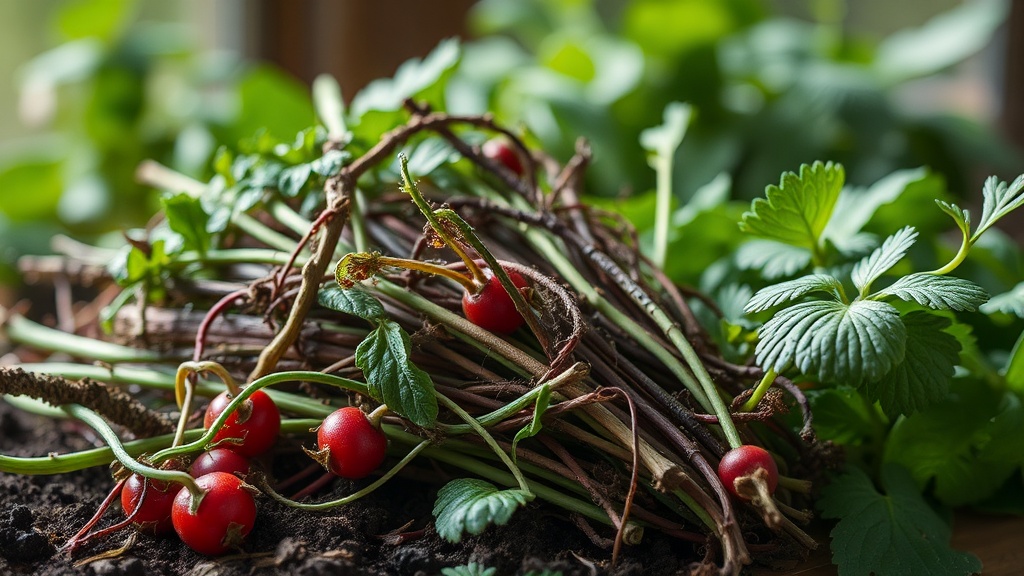
Stop Throwing Away Your Herb Stems

Quick Tip
Herb stems often hold more concentrated flavor than the leaves and can be used to infuse oils or simmer in stocks.
The countertop is cluttered with bright green sprigs of cilantro, parsley, and basil, but the bottom of your cutting board is covered in discarded, woody stems. Most home cooks treat these stems as trash, yet they actually hold a massive amount of concentrated flavor. This post shows you how to stop wasting these aromatic-rich parts of your herbs and how to use them to deepen the flavor of your cooking.
How Do You Use Herb Stems in Cooking?
You can use herb stems to infuse oils, make homemade stocks, or add a quick hit of flavor to simmering liquids. While the leaves are great for garnishing at the very end, the stems are meant for the "heavy lifting" during the cooking process.
For instance, if you're making a one-pan Mediterranean chicken dish, don't toss those parsley or thyme stems. Instead, tie them together with kitchen twine and drop them into the pan. They’ll release their oils as the heat rises, adding a layer of seasoning that leaves won't provide. It's a simple way to get more out of what you've already paid for.
Here is a quick breakdown of how to handle different stem types:
- Soft Stems (Cilantro, Parsley, Dill): Chop them finely and use them in pestos or stir-fry sauces.
- Woody Stems (Rosemary, Thyme, Oregano): Tie them in bundles (a technique known as a bouquet garni) and simmer them in soups or stews.
- Sturdy Stems (Basil): Use them to infuse olive oil or vinegar for a homemade dressing.
Can You Freeze Herb Stems?
Yes, you can freeze herb stems by placing them in ice cube trays with olive oil or water. This is a great way to preserve the essence of your garden or a fresh bunch from the grocery store before they wilt. If you use olive oil, you'll have a ready-to-go flavor base for your next sauté. If you use water, you've got an easy way to make a concentrated herb stock.
According to the University of Minnesota Extension, freezing herbs in oil helps preserve their volatile oils—the stuff that actually makes them smell and taste good. It's much better than letting them turn into a slimy mess in the crisper drawer of your fridge.
| Stem Type | Best Use Case | Method |
|---|---|---|
| Cilantro/Parsley | Salsas or Sauces | Finely minced |
| Thyme/Rosemary | Slow-cooked Meats | Simmered in liquid |
| Basil | Infused Oils | Frozen in oil |
The next time you're prepping your weekly meals, look at those "scraps" differently. A handful of stems in a stockpot or a jar of herb-infused oil can make a huge difference in the final profile of your meal. Grab a jar, some oil, and those leftover stems—your kitchen will thank you.