Why You Should Toast Your Whole Spices

Quick Tip
Toasting whole spices briefly in a dry pan before grinding releases trapped essential oils for maximum flavor.
The Science of Flavor: Why You Should Toast Your Whole Spices
If you have ever used pre-ground cumin or coriander and found the flavor to be somewhat flat or dusty, you are missing a critical step in the cooking process. Toasting whole spices before grinding them or adding them to a dish releases essential oils that are often dormant in their raw state. This simple technique transforms a one-dimensional seasoning into a complex, aromatic foundation for your meals. By applying dry heat, you are essentially activating the chemical compounds that provide depth and heat to your recipes.
The Benefits of Dry Toasting
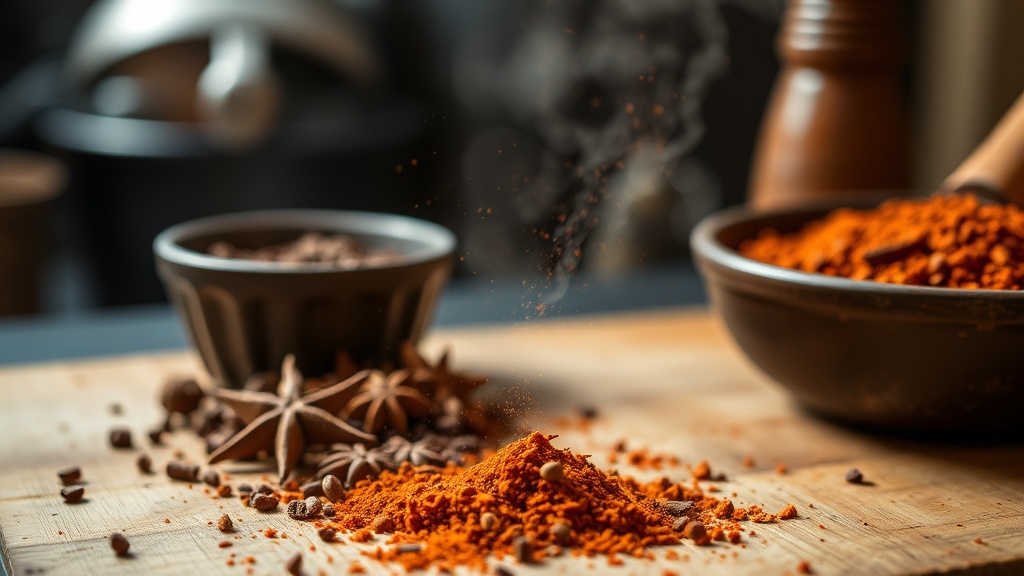
Toasting serves three primary functions in a professional or home kitchen: it intensifies aroma, develops complexity, and removes residual moisture. When you heat spices like cinnamon sticks, star anise, or black peppercorns, the heat causes the internal oils to expand and become more volatile. This results in a much more pungent and noticeable flavor profile once the spices hit your fat or liquid base.
- Increased Volatility: Heat forces the essential oils to the surface, making the scent more immediate.
- Texture Refinement: Toasting makes hard spices like cardamom pods or nutmeg easier to crush or grind.
- Flavor Nuance: A light toast can introduce subtle nutty or smoky notes that raw spices lack.
How to Toast Spices Correctly
The most effective method for small batches is using a heavy-bottomed skillet, such as a cast iron pan. Using a cast iron skillet ensures even heat distribution and prevents hot spots that can burn delicate spices like fennel or coriander. Follow these steps to ensure you do not ruin your spices through over-heating:
- Preheat the Pan: Place your dry skillet over medium-low heat. Do not add oil or butter; this is a dry toast.
- Add the Spices: Drop in your whole spices. If you are using a mix, keep in mind that larger items like cinnamon sticks take longer than small seeds like cumin.
- Agitate Constantly: Use a wooden spoon or a heat-resistant spatula to stir the spices continuously. This prevents the spices from scorching.
- Watch for Visual Cues: You are looking for a slight change in color (such as a deeper brown) and a noticeable increase in aroma. For many spices, this takes only 2 to 5 minutes.
- Cool Immediately: Once they reach the desired color, remove the pan from the heat and transfer the spices to a room-temperature plate. If you leave them in the hot pan, they will continue to cook and eventually burn.
For a deeper understanding of how these aromatics shaped global cuisine, read our post on the Spices of the Silk Road. Mastering the timing of your heat application is the fastest way to move from basic seasoning to professional-level flavor building.